
UK 30-year gilt yields hit 1998 high ahead of October Budget
Soaring long-term borrowing costs signal market jitters over fiscal headroom as the Chancellor prepares to deliver the Budget.

The yield on 30-year UK gilts climbed to its highest level since 1998, reflecting investor anxiety ahead of the October Budget. This raises the cost of government debt and could constrain fiscal spending plans, pressuring the Chancellor to balance growth with market credibility.
The yield on 30-year UK government bonds, or gilts, has surged to its highest level since 1998, a stark signal that investors are demanding a bigger premium to hold British debt. The move comes just weeks before the October Budget, where Chancellor Rachel Reeves is expected to outline her fiscal strategy. For a government already wrestling with high debt levels and sluggish growth, this spike in borrowing costs is an unwelcome reminder that markets are watching closely and can punish perceived fiscal slippage in an instant.
Gilts are the backbone of UK government financing, and their yields reflect the price investors charge for lending to the state. When yields rise, it becomes more expensive for the Treasury to service existing debt and to fund new spending. The 30-year yield breaking above previous thresholds is particularly significant because long-dated bonds are more sensitive to expectations about inflation, economic growth, and the credibility of fiscal policy over the coming decades. A sustained rise would eat into the Chancellor's headroom, potentially forcing difficult choices on tax, spending, or borrowing.
The backdrop to this move is a delicate economic picture. The UK has been grappling with stubborn inflation, which has only recently begun to ease from double-digit peaks. At the same time, growth has been anaemic, and the Bank of England has been cautious about cutting interest rates. Investors are also factoring in the possibility that the new government, which came to power in July, may ramp up public investment to stimulate the economy. While such spending could boost long-term productivity, it also raises the risk of higher inflation and larger deficits, prompting bond markets to demand a higher risk premium.
Adding to the pressure is the global context. Bond yields have been rising across major economies, particularly in the United States, where the Federal Reserve has signalled that rates will stay higher for longer. UK gilts are not immune to these cross-currents, and a rise in US Treasury yields often spills over into other markets. But the fact that UK long-term yields are outpacing their peers suggests that country-specific factors are at play, including the fiscal outlook and the perceived stability of the government's policy framework.
For the Chancellor, the timing could hardly be worse. The Budget, scheduled for late October, is expected to set out the government's tax and spending plans for the coming years. Reeves has already warned of "difficult decisions" ahead, and the rise in borrowing costs will only sharpen those choices. If the market perceives the Budget as fiscally irresponsible, yields could climb further, undoing any growth benefits from additional spending. Conversely, if the government signals too much austerity, it risks choking off the recovery and disappointing voters who are already feeling a cost-of-living squeeze.
The reaction of the bond market is not just a technicality for traders; it has real-world consequences. Higher gilt yields feed directly into mortgage rates and corporate borrowing costs, affecting households and businesses across the country. A sustained increase could tighten financial conditions, dampening investment and consumer spending. That would make the government's job even harder, as slower growth reduces tax revenues and increases welfare payments, creating a vicious cycle that is difficult to break.
Historically, UK governments have been sensitive to bond market sentiment. The 2022 mini-budget under Liz Truss, which proposed unfunded tax cuts, triggered a sharp sell-off in gilts and forced a rapid policy reversal. While the current situation is less dramatic, the memory of that episode looms large. Investors are likely to test the new government's resolve, demanding clarity on how it intends to bring debt down over the medium term. Reeves has pledged to follow strict fiscal rules, but the market will want to see concrete numbers, not just promises.
In the coming weeks, all eyes will be on the Office for Budget Responsibility's forecasts, which will accompany the Budget. These projections will provide an independent assessment of the government's fiscal plans and will be scrutinised for any signs of slippage. If the OBR's numbers show debt rising faster than expected, or if the Chancellor opts for creative accounting to meet her targets, the gilt market could react harshly. On the other hand, a credible plan that balances investment with fiscal discipline could help stabilise yields and restore confidence.
For now, the rise in 30-year gilt yields serves as a warning shot. It underscores the fragile trust between the government and the markets that fund its spending. The Chancellor has limited room for manoeuvre, and every decision in the Budget will be weighed against its impact on borrowing costs. The stakes are high: get it right, and the UK could see a period of stable growth and falling debt; get it wrong, and the country could face a spiral of higher interest payments, weaker growth, and deeper austerity. The next few weeks will reveal which path lies ahead.
This story's Key Insights and Take-aways are locked.
Create a free account to unlock Executive Actions for one credit.
Register to UnlockAlways free for Executives Club members. Join the Club
More in Business
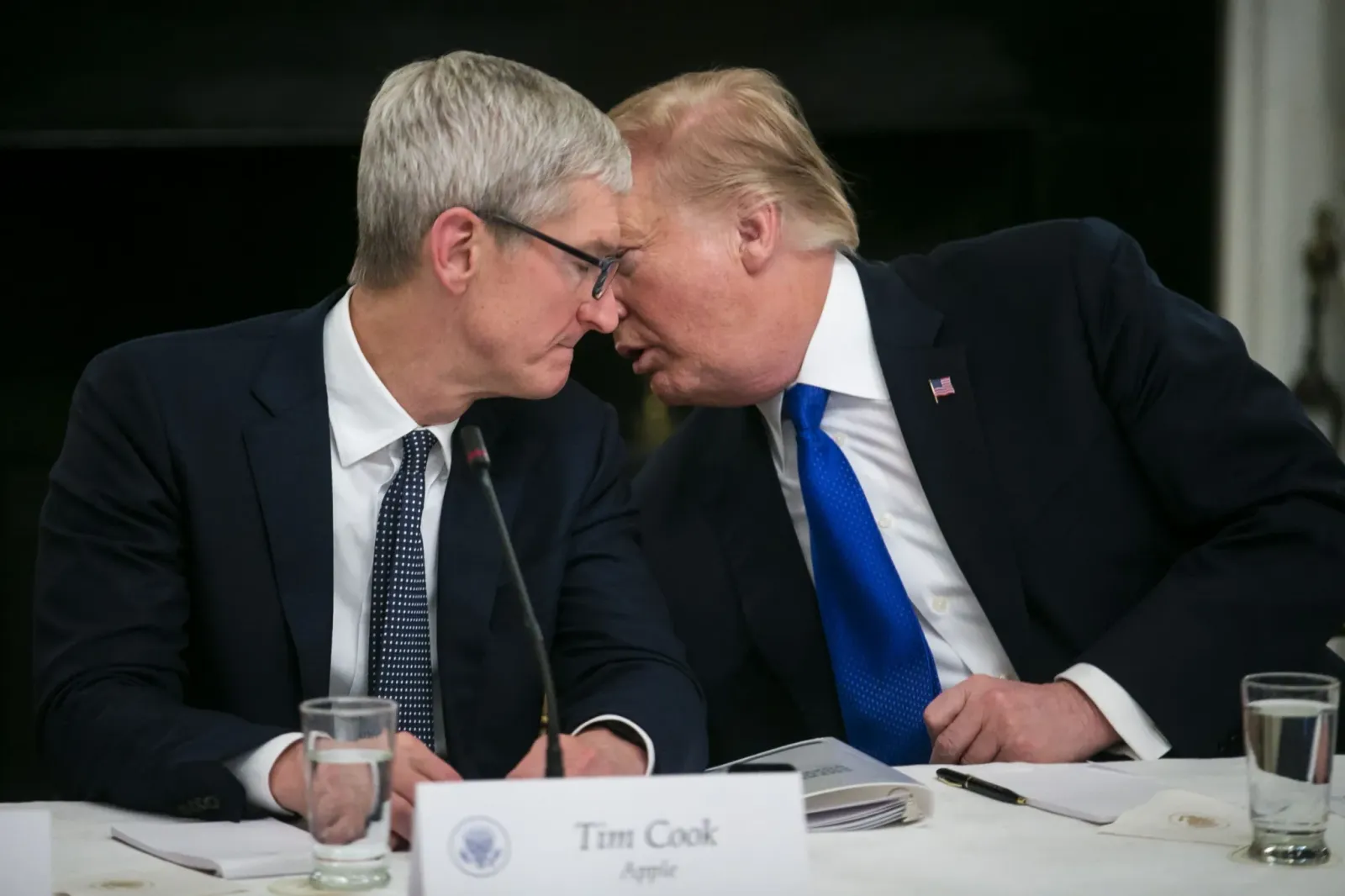
Tim Cook steps down as Apple CEO, stays on as chair with $45M equity
The 'Trump whisperer' keeps his White House and Beijing access as Apple navigates tariffs and a $4.6 trillion market cap.

Snowflake shares surge as AI data demand crushes estimates, lifting full-year forecast
Stocks jumped on stronger-than-expected guidance, signaling enterprise AI workloads are accelerating faster than Wall Street priced in.

Tim Cook's 15-year Apple CEO run ends: 3 lessons for any successor
After 15 years, Tim Cook hands Apple to John Ternus - here's how he turned a $350B company into a $4.6T juggernaut.