
UK civil servant allegedly wore make-up to fake illness while holding five jobs
A remote-work fraud case exposes how video-call verification can fail - and why executives need to rethink identity controls.
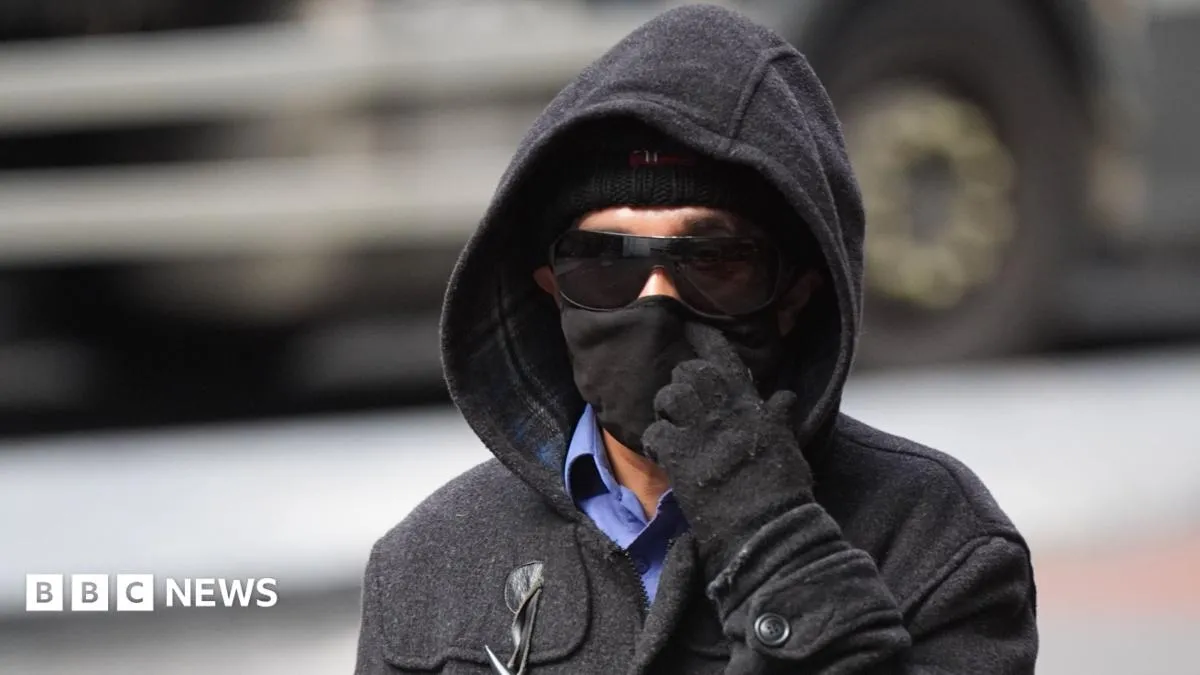
Kashim Chowdhury, a UK civil servant, is accused of fraudulently juggling five government jobs from home, using make-up to fake illness on camera. The case is a wake-up call for boards about insider-fraud risk in a remote-first world.
Kashim Chowdhury, a UK civil servant, is accused of fraudulently juggling five government jobs while working from home, allegedly wearing make-up to fake illness during video calls. The accusation, reported by the BBC, turns the classic work-from-home excuse on its head: instead of claiming a blurry camera or a bad connection, Chowdhury is said to have used cosmetics to appear unwell to managers, all while quietly collecting multiple public-sector salaries. The detail is almost absurd, but it underscores a very real governance gap that remote work has opened across every industry.
The headline promise lands here: the make-up was not a one-off costume but an alleged system. The accusation is that Chowdhury wore make-up to fake illness as a way to juggle five separate jobs, appearing sick on screen to justify absences or reduced availability in one role while working another. If true, this is not a lazy scam; it is a calculated exploitation of trust and technology. For executives reading this, the immediate question is not whether one civil servant abused a webcam, but how many similar schemes are already running unnoticed inside their own organizations.
The shift to remote and hybrid work has fundamentally changed the mechanics of supervision. Badge swipes, office check-ins, and in-person visibility - once the baseline of attendance and effort - have been replaced by scheduled video calls and status updates. Those tools create an illusion of presence, not proof of it. A manager who sees a pale, sweating employee on a screen is likely to react with sympathy, not suspicion. That is exactly the kind of human empathy a determined fraudster can weaponize, and the Chowdhury case is a vivid, low-tech example of how far that weapon can go.
For context, UK civil service roles typically come with strict employment terms. The Civil Service Code requires honesty, integrity, and the dedication of time and effort to the role. Outside work is generally not prohibited outright, but it must be declared and approved, especially when it could create a conflict of interest or reduce an employee's capacity to perform their duties. Holding five simultaneous public-sector jobs, if proven, would almost certainly breach those rules and could amount to fraud under UK law. The case is now presumably subject to investigation or legal proceedings, though the BBC report does not specify the current stage or any charges beyond the accusation.
The broader lesson for boards and leadership teams is that remote-work policies were often designed for productivity and culture, not fraud prevention. Identity verification is still largely reactive: a manager trusts what they see on a screen, and exceptions are handled case by case. The Chowdhury allegation suggests that proactive controls are needed, such as random call-back verification, independent health checks, or a central register of outside employment. None of these are silver bullets, but they raise the cost of deception and make schemes like this harder to sustain.
This case also carries a reputational angle for the public sector and beyond. When a story like this goes viral, it erodes public trust in the integrity of institutions that are already under scrutiny. For a civil service that has spent years defending remote-work productivity, a headline about a five-job fraudster is a gift to critics who want employees back in the office. Leaders in any sector should expect similar stories to surface in the coming years as audits catch up with the new normal, and they should be prepared to answer for their own oversight gaps before a scandal forces the question.
The strategic stakes for CFOs, chief compliance officers, and audit committees are clear: fraud controls must evolve at the same speed as work patterns. The cost of one bad actor is not just the salary paid for work not done; it is the legal fees, the regulatory fines, and the permanent damage to an organization's brand. The Chowdhury case is extreme in its alleged method, but it is not an outlier in its logic. Fraudsters will always adapt faster than policy, and the only defense is to design verification systems that do not rely on a single video call and a little make-up.
This story's Key Insights and Take-aways are locked.
Create a free account to unlock Executive Actions for one credit.
Register to UnlockAlways free for Executives Club members. Join the Club
More in Business

Elon Musk unveils a flying car, and SpaceX helped build it
The Tesla CEO's showcase at a SpaceX facility signals a future where road and rocket engineering converge.

Apple's $2,000 iPhone Duo opens preorders, taking on Samsung and Google
Apple's first foldable hits the market at a premium price, reshaping a category Samsung and Google have led.

Pope Leo XIV, first American pope, diagnosed with lung cancer
The 71-year-old Chicago-born pontiff underwent successful surgery on his right lung, and his diagnosis raises new questions about his AI-focused papacy and the Vatican's future.