
UK EV rules could trigger 17m extra tonnes by 2030, campaigners warn
The analysis blames last year's changes that enable more PHEVs, urging ministers not to weaken sales rules.
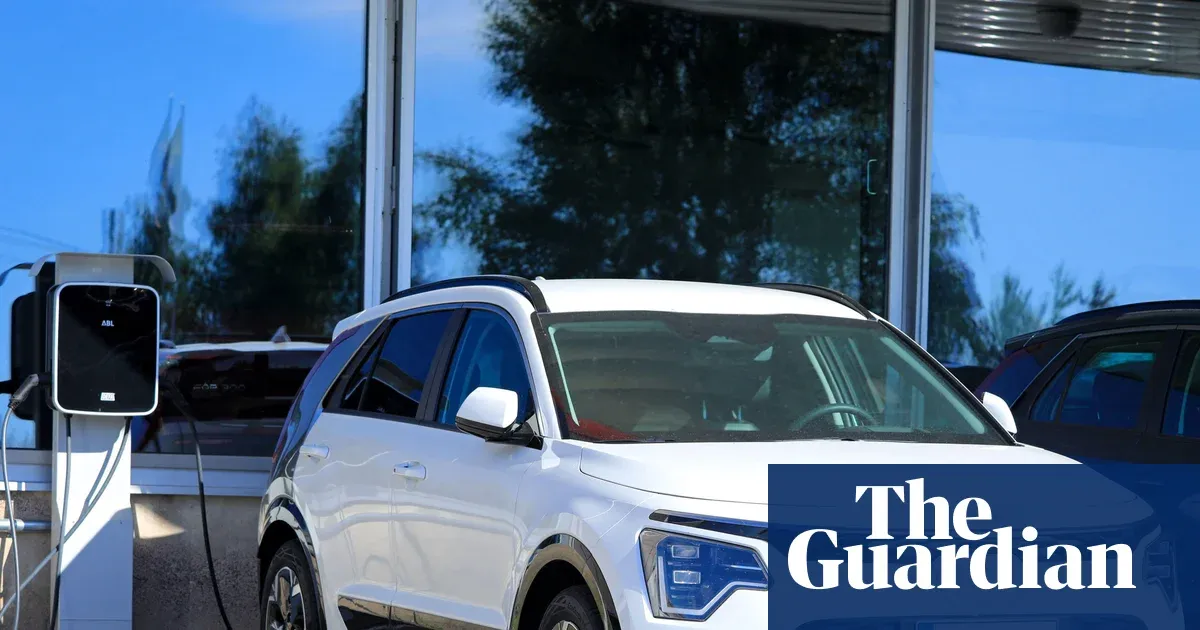
Campaigners are urging the UK government not to further weaken electric vehicle sales rules after an analysis found vehicles on UK roads will emit an extra 17m tonnes of CO2 by 2030. The concern centers on a loophole that allows the sale of more PHEVs, mostly tied to changes made last year.
British vehicles are expected to emit an extra 17m tonnes of CO2 by 2030, according to analysis cited by The Guardian. Campaigners say this increase is mostly due to changes made last year, which created a loophole that allows manufacturers to sell more plug-in hybrid electric vehicles, or PHEVs, instead of fully electric cars.
The practical question for decision-makers is blunt: will ministers resist pressure to water down the rules again, or will they loosen them and effectively lock in higher emissions through the end of the decade? Campaigners are urging the government to resist calls to further weaken electric car sale rules, precisely because the data points to additional CO2 happening on UK roads.
To understand why this matters beyond climate headlines, you have to look at how the UK’s EV market is steered. Sale rules are meant to create predictable demand for cleaner vehicles by pushing manufacturers to increase the share of electric cars they sell year by year. That kind of structure does not just influence consumer behavior; it shapes factory planning, supplier contracts, model roadmaps, and investment cycles.
The pressure point in this story is the difference between EVs and PHEVs. PHEVs can run on electricity for some trips, but they also rely on internal combustion for others. The loophole campaigners are pointing to suggests that the way the rules credit or accommodate PHEVs can change what manufacturers optimize for. If credit systems or compliance mechanics allow “more PHEVs” without delivering equivalent real-world CO2 reduction, then the regulatory target can be met on paper while emissions rise in practice.
The Guardian reports that parts of the car industry have urged ministers to review the rules for a second time. That matters because regulatory reviews create uncertainty, and uncertainty is expensive. For automakers, it can shift capital allocation away from certain powertrains, delay commitments, and renegotiate supplier terms. For policymakers, frequent rewrites can undermine credibility with both consumers and investors in charging infrastructure and EV supply chains.
This also sets up a governance test for the UK government. When industries request adjustments, the underlying rationale is usually not “we want to do less,” it is “the rules are too rigid, or the market is too hard, or compliance is costly.” But the campaigners’ argument flips the lens: the changes made last year are already showing up in the emissions math. If that is right, then the government has to treat “review again” not as routine fine-tuning but as a potential continuation of a trend that increases total CO2.
There is a second-order market effect buried inside the 17m tonnes figure: it changes how investors and boards think about policy risk. If the rules that govern electrification credibility keep moving, companies will hedge. They may diversify their strategy, slow down some EV investments, or push product toward whichever version of “compliance” offers the best trade-off under the current interpretation. That can ripple through the entire ecosystem, from battery procurement to charging partnerships.
And if you are on the compliance or strategy side of a business that depends on EV volumes, you should notice the framing: campaigners are not only citing emissions, they are urging ministers to resist calls to “further water down” electric car sale rules. In other words, the debate is not abstract. It is about whether the UK locks in additional CO2 by 2030 through regulatory design, especially via loopholes that expand PHEV sales.
For executives and boards, the strategic stake is simple. These rules influence product mix, and product mix influences emissions, consumer trust, and long-run regulatory credibility. The analysis highlighted by The Guardian is a direct warning that the last round of changes did not just change legal interpretation, it changed emissions outcomes on UK roads. In a market where investments take years to play out, decisions made now about reviewing or weakening rules may become tomorrow’s fixed emissions problem.
This story's Key Insights and Take-aways are locked.
Create a free account to unlock Executive Actions for one credit.
Register to UnlockAlways free for Executives Club members. Join the Club
More in Business

Anthropic’s Levant Alpöge cracks the Jacobian conjecture after 87 years
A Harvard valedictorian used Claude to hit a 1939 breakthrough, but the missing “why” is the real problem.

Uber buys Delivery Hero for nearly $15B, vaulting to top food delivery outside China
The deal doubles Uber's dual-services footprint and pushes a ride-and-eats bundling play into 50 more markets.

Epic and Google drop settlement bid, forcing rival Android app stores by July 22
Google told the court it is ready to carry third-party app stores starting Wednesday, July 22.