
UK's third air traffic failure in 3 years cancels 1,000 flights, airlines demand overhaul
Another UK air traffic control breakdown grounded planes for hours, stranding hundreds of thousands and pushing carriers to call for a systemic fix.

A UK air traffic control failure cancelled over 1,000 flights, stranding hundreds of thousands of passengers and prompting airlines to demand an overhaul. This is the third such incident in just over three years, raising urgent questions about infrastructure resilience and regulatory oversight.
The number is stark: more than 1,000 flights were cancelled by about 8pm on Tuesday, and at least 177 flights scheduled for Wednesday to and from UK airports had already been scrapped, nearly all at London Heathrow. The air traffic control failure kept planes grounded for hours and stranded hundreds of thousands of passengers, and airlines are now demanding an overhaul after what they describe as the third incident in just over three years.
That pattern is what makes this more than a bad travel day. When a single national system goes down, every airline, airport, and traveler absorbs the shock, but when it keeps happening, the industry starts asking whether the system itself is the risk. Flightradar24's data showed the Wednesday cancellations were concentrated at Heathrow, the UK's busiest hub, which means the knock-on effects will ripple through connecting routes for days.
The disruption was expected to continue into Wednesday, so the operational headache is far from over. For airlines, each hour of ground stop translates into aircraft out of position, crews beyond duty limits, and passengers needing rebooking, hotels, and compensation. The financial hit accrues quickly, and for carriers already operating on thin margins, a repeat event of this scale is a material cost that hits peak summer revenue at the worst possible moment.
The airlines' call for an overhaul is notable because it shifts the argument from 'fix this failure' to 'fix the system.' The underlying question is resilience: whether the UK's air traffic control infrastructure has been invested in enough to handle peak traffic, and whether the regulatory regime encourages that investment. With this being the third failure in just over three years, the industry's patience has run out, and the pressure on the operator and government to act is no longer a background issue.
For passengers, the practical question is what they are owed. UK and EU rules generally require airlines to provide care, rerouting, or compensation depending on the circumstances, but the specifics depend on whether the disruption is deemed 'extraordinary.' Air traffic control failures are often classified as extraordinary, which can limit compensation claims, but airlines are still obligated to assist with meals, accommodation, and rebooking. The source's own guide to passenger rights underscores how quickly travelers need to know their entitlements, especially when disruption spills into a second day.
The broader lesson for executives is about single points of failure. Whether it is air traffic control, cloud infrastructure, or payment rails, a centralized system that fails repeatedly imposes costs not just on the operator but on every business built on top of it. The UK travel industry is learning that lesson the hard way, and the call for an overhaul is really a call for the government and the operator to treat air traffic control as critical national infrastructure, not just a utility.
For airlines, the strategic takeaway is to stress-test their own contingency plans for ground stops that last hours and extend into the next day. The carriers that recover fastest are those with pre-negotiated hotel blocks, flexible crew scheduling, and automated rebooking. This event will be a case study in operational resilience, and the industry's response to the next failure will depend on whether those plans hold under real pressure.
The final stake is reputational and regulatory. Every failure like this adds pressure on the government to intervene, whether through funding, oversight, or structural reform. For the air traffic control operator, the challenge is to restore confidence not just with regulators but with airlines and the traveling public. The third incident in three years has made clear that the status quo is no longer acceptable, and the next failure could force a more dramatic response.
This story's Key Insights and Take-aways are locked.
Create a free account to unlock Executive Actions for one credit.
Register to UnlockAlways free for Executives Club members. Join the Club
More in Business
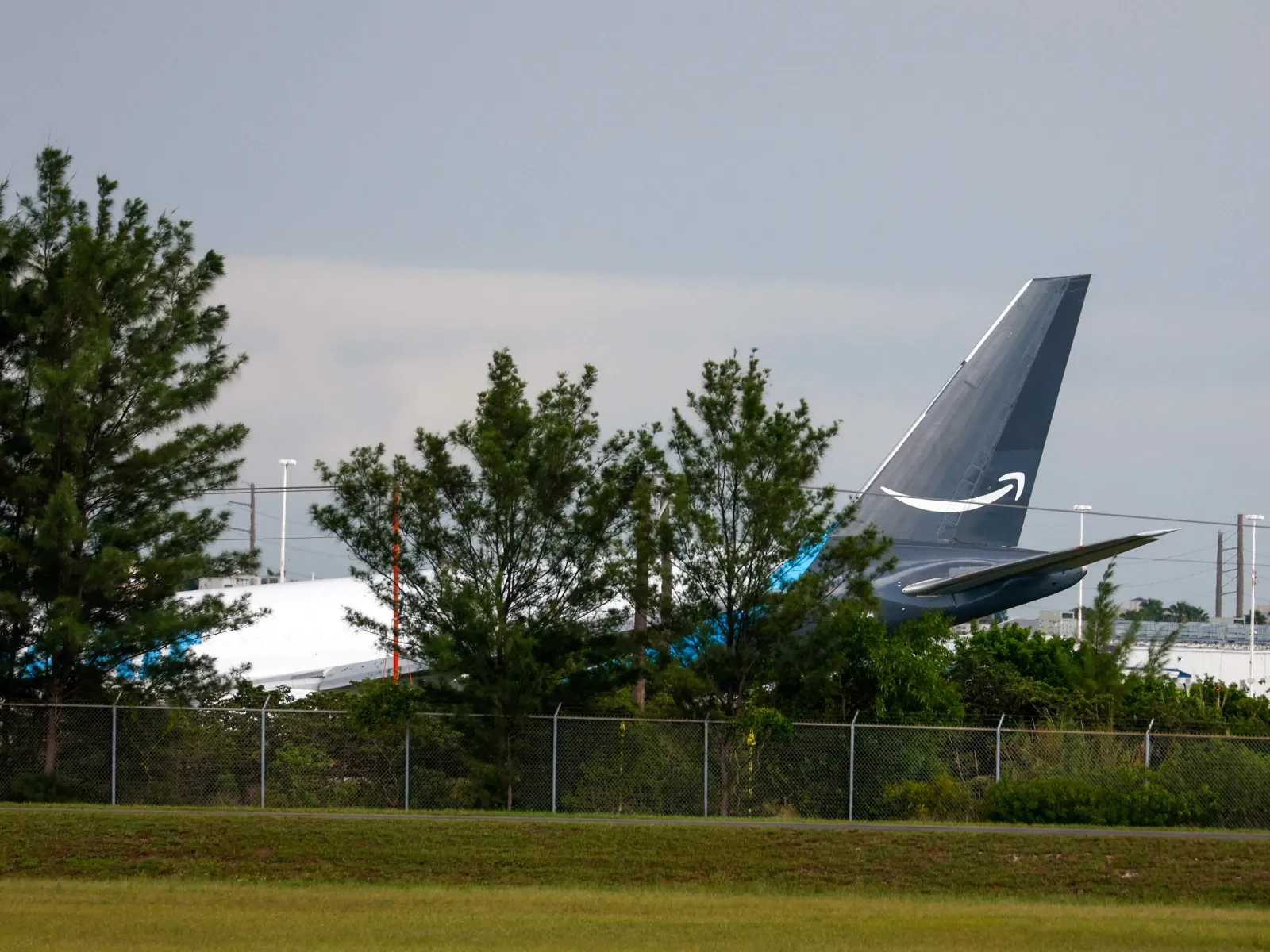
Amazon Prime Air 767 overshoots Miami runway, killing at least 5
The Boeing 767 freighter from San Juan struck vehicles and erupted in flames, prompting a ground stop and a fresh NTSB investigation into Amazon's air cargo network.

Death sentence for TV presenter Sarah Khalifa: Egypt's drug case hits media
The sentencing of Sarah Khalifa and 11 others underscores the severity of Egypt's anti-drug laws and the exposure of public figures to capital punishment.
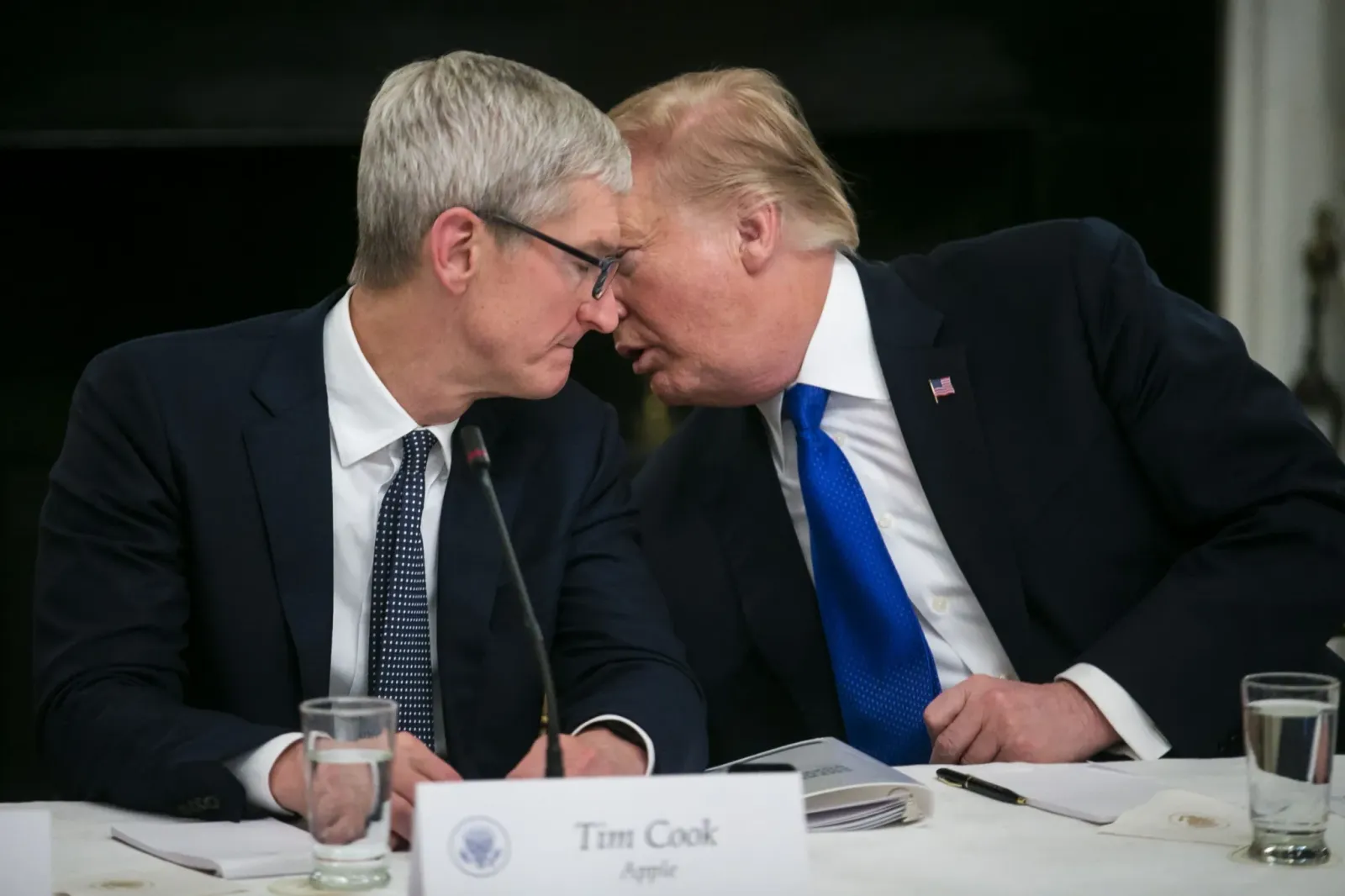
Tim Cook steps down as Apple CEO, stays on as chair with $45M equity
The 'Trump whisperer' keeps his White House and Beijing access as Apple navigates tariffs and a $4.6 trillion market cap.