

Ultra-rich family offices back sports bets, from pickleball leagues to smart soccer balls
Sports is getting its own quiet capital cycle, even while AI startups steal the headlines.
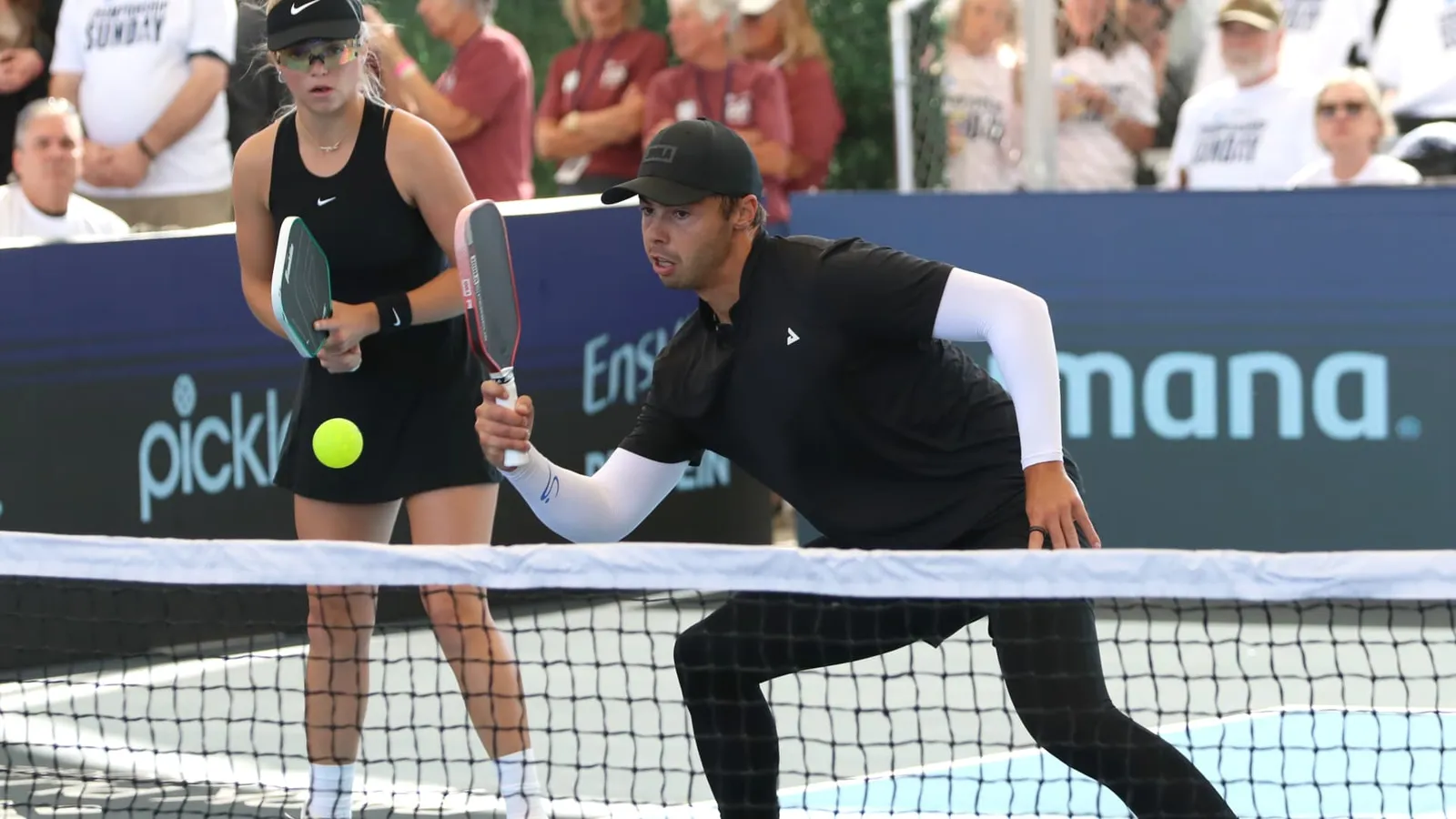
CNBC reports that investment firms tied to the ultra-rich are still actively betting on sports. The consequence is a reminder for decision-makers: capital allocation is not abandoning sports, it is diversifying quietly.
If you have been watching deal screens lately, you have probably noticed the same pattern: AI startups dominate the conversation, and everyone seems to be chasing the next model, platform, or workflow revolution. But CNBC’s reporting highlights a counter-move that matters precisely because it is not flashy. While AI is commanding attention, ultra-rich family offices are still keen on sports, spreading bets across everything from pickleball leagues to smart soccer balls.
That is the headline tension in plain English: sports is not a legacy playground anymore. It is a place where serious private capital is looking for growth, community, and brand momentum, even when the broader startup news cycle is saturated with AI. The fact pattern CNBC puts forward is simple, and the implications are not. Family offices are investing in sports assets and product ideas that sit outside the usual public-market narratives. If you are an operator, investor, or board member, that signals something about where money is comfortable moving when it does not have to follow the loudest trend.
To understand why this is interesting, it helps to know how family offices typically think. They are not required to hit quarterly earnings the way many institutional managers are. That flexibility can make them more willing to fund experimental categories, earlier-stage ecosystems, and revenue models that take time to mature, such as consumer participation and equipment-driven product adoption. In sports, the “time to value” is often longer than in pure software, but the upside can be durable if the investment builds a flywheel: participation drives demand, demand supports product upgrades, and the product strengthens the community.
Pickleball is a perfect example of that flywheel logic. Even if you do not treat pickleball as a financial asset class, it operates like one: courts and leagues create regular touchpoints; regular touchpoints create brand identity; brand identity makes it easier for products to find customers. When a family office backs pickleball leagues, the investment is not just buying a revenue line. It is funding the infrastructure of recurring participation. And once participation becomes “the default weekend plan,” the ecosystem attracts sponsors, retailers, and manufacturers. That is where second-order value often hides.
Then there is the “smart soccer balls” angle. That is a very different bet, but it fits the same overall logic: tech that attaches to a sports moment, then sells the moment back to consumers and institutions. Smart sporting goods can also create data and training workflows that extend the product beyond a one-time purchase, which is a board-friendly proposition. In theory, you get repeat engagement through coaching, drills, and measurable progress. For a family office, that is a way to combine two asset types they may both like: lifestyle participation and technology-enabled utility.
Regulatory and compliance realities are also part of the backdrop, even if CNBC’s summary does not go deep on them. In sports and consumer products, the risk profile is often less about the complex securities regime that surrounds some venture deals and more about product safety, privacy, and consumer protection if products collect data. Smart equipment can cross into data handling questions, especially if it uses sensors or connects to apps. The second-order takeaway for executives is that “sports tech” can trigger different diligence categories than pure entertainment investments. Boards should expect questions about data security, user consent, and how training or performance information is stored and used.
Finally, there is the market psychology. AI headlines can cause investors to cluster, which can make other categories look “quiet” even when they are actively being funded. Family offices may treat sports as ballast. It is a tangible category tied to physical activity, community, and consumer spending that can respond differently than purely digital adoption trends. When CNBC says ultra-rich family offices are still keen on sports, it is basically reminding you that the capital stack is broader than the current news cycle.
The strategic stakes for peers in similar roles are straightforward: if you are raising money, building a sports-related business, or allocating capital across private markets, you cannot assume sports is “out of fashion.” The money is there, just not always on the same stage as AI. The smartest decision-makers will treat sports as an active investment lane, evaluate where the sports flywheel is actually strongest, and diligence the product and ecosystem risks the way you would for any serious category. The silence is not absence. It is just a different funding channel.
This story's Key Insights and Take-aways are locked.
Create a free account to unlock Executive Actions for one credit.
Register to UnlockAlways free for Executives Club members. Join the Club
More in Business

Anthropic’s Levant Alpöge cracks the Jacobian conjecture after 87 years
A Harvard valedictorian used Claude to hit a 1939 breakthrough, but the missing “why” is the real problem.

Uber buys Delivery Hero for nearly $15B, vaulting to top food delivery outside China
The deal doubles Uber's dual-services footprint and pushes a ride-and-eats bundling play into 50 more markets.

Epic and Google drop settlement bid, forcing rival Android app stores by July 22
Google told the court it is ready to carry third-party app stores starting Wednesday, July 22.