
Universal and Illumination lock “Donkey” for June 30, 2028 with Eddie Murphy returning
The Shrek universe is getting a second lead: a Donkey origin story, timed for a 2028 release runway.
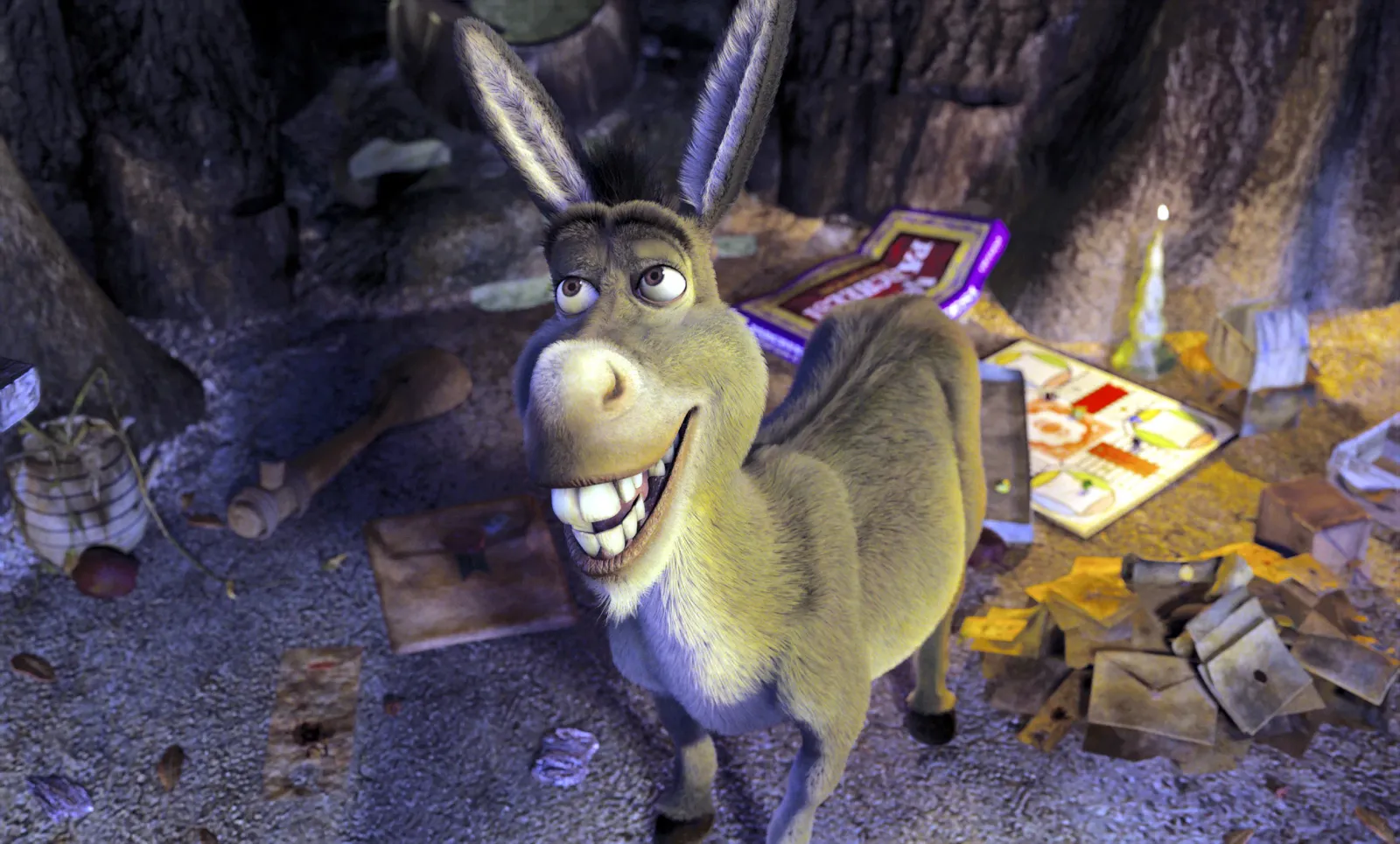
Universal and Illumination have set a June 30, 2028 release date for “Donkey,” a spinoff from the animated “Shrek” universe. Eddie Murphy will return to voice Donkey in the film, which will be an origin story.
Universal and Illumination have set a June 30, 2028 release date for “Donkey,” the next animated spinoff from the “Shrek” universe. And they are bringing back Eddie Murphy to voice Donkey, meaning the project is not just expanding the brand, it is betting heavily on the character’s signature energy to anchor it.
This matters because “Donkey” is positioned as an origin story, specifically answering the question of how a donkey became Donkey. In other words, the studio plan is to use a familiar, fan-validated sidekick as the emotional engine, then stretch the franchise by showing its origin instead of only replaying the established mythology.
On paper, this is “just” another animated release. In reality, it is a reminder that franchises are evolving from sequels and expansions into parallel universes with new narrative entry points. Studios have learned that audiences do not only show up for plot. They show up for voice, character identity, and the feel of a world that already works. Here, Universal and Illumination are preserving that feel by re-engaging Eddie Murphy for the lead voice role.
The June 30, 2028 timing also signals a specific kind of market intent. Summer releases in general slot into a high-visibility window, when families are more likely to plan theater trips and when marketing spend tends to rise to match peak attention. A spinoff with a recognizable character has a built-in advantage in that environment, because discovery is easier. You are not asking audiences to learn a brand-new figure. You are asking them to care about how an already-loved character became himself.
There is also an incentive alignment angle for decision-makers. Spinoffs can reduce some of the uncertainty that comes with wholly original animated properties, because the underlying IP is already stress-tested in the public imagination. That does not guarantee box office success, of course. But it often changes the way studios think about downside risk: the brand provides a marketing shortcut, and the casting provides another one. When Eddie Murphy returns to voice Donkey, the studios are leaning on that shortcut from day one.
From a business and board-level perspective, the “origin story” framing is a useful lever. Origins tend to do two things at once. They satisfy long-time fans who want deeper backstory, and they give new viewers a less intimidating starting point. A movie that explains “how he became Donkey” can act like a bridge between audiences who know the character and audiences who do not. That bridge becomes especially valuable when you are introducing a spinoff that would otherwise have to earn attention without the main story’s gravity.
Regulatory and industry background is not usually the headline in entertainment news, but it can influence how studios and distributors allocate risk. Release-date commitments and production timelines have become more complex in the current environment of shifting labor and production constraints across entertainment. The important takeaway here is not the existence of those complexities, but the fact that Universal and Illumination are locking in a date and a key casting element anyway. That suggests internal confidence that the project can be delivered on schedule with the core talent attached.
For executives in media, streaming, and adjacent consumer brands, the strategic stakes are clear: successful character-led franchises do not just print revenue in one window. They create a pipeline for merchandising, future content, licensing, and cross-platform audience growth. “Donkey” is set up as a new narrative lane inside a proven animated universe. If it lands, it strengthens the franchise strategy of building out characters into their own stories. If it misses, it still provides data about what audiences respond to when studios shift from sequel mode to origin-story mode. Either way, June 30, 2028 is the moment the market will start answering whether this particular sidekick can carry a film into its own spotlight.
This story's Key Insights and Take-aways are locked.
Create a free account to unlock Executive Actions for one credit.
Register to UnlockAlways free for Executives Club members. Join the Club
More in Entertainment

Russell Brand's accuser 'bewildered and confused' as he denies 7 sex charges
The criminal case against the comedian is a live test of how media companies manage talent risk when serious allegations go public.

'It's a Magic Trick': Ballet Experts Say Rosalía's SNL Pose Is Impossible
Three ballet experts tell Rolling Stone Rosalía's gravity-defying SNL stillness shouldn't be possible - and why the debate is now part of the show.

Activision CMO: GTA 6 Will Boost Call of Duty, Not Bury It
Activision's top marketer says Rockstar's blockbuster will drive players back to consoles and into Modern Warfare 4, even as the company admits its recent strategy failed.