
US-Canada Trade War: Tariffs Bite Both Sides of the Border
From steel to maple syrup, the escalating trade dispute is raising costs for businesses and consumers on both sides of the 49th parallel.
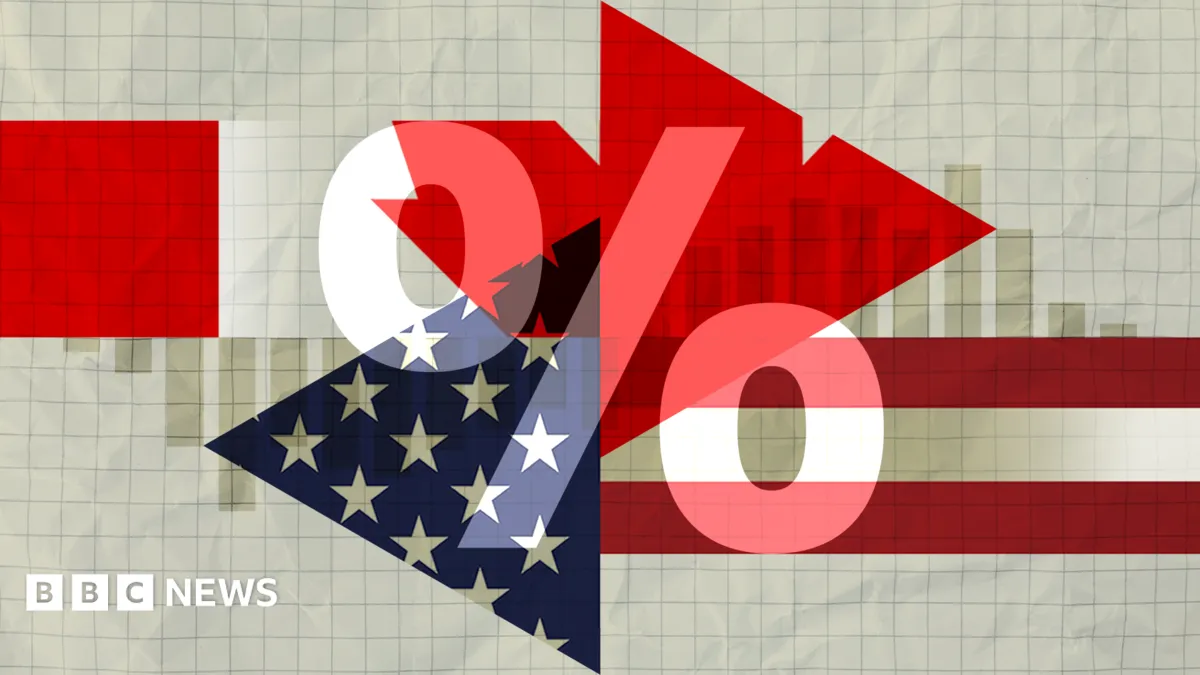
The US-Canada trade war, as reported by BBC News, is impacting industries from manufacturing to agriculture on both sides of the border. For decision-makers, this means higher input costs, supply chain disruptions, and the need to reassess cross-border trade strategies.
The US-Canada trade war is not just a political spat; it's a real economic drag that's being felt by businesses and consumers on both sides of the border. According to BBC News, the dispute has escalated to the point where no sector is immune, from manufacturing to agriculture. The tariffs are raising costs, disrupting supply chains, and forcing companies to rethink their cross-border strategies.
At the heart of the conflict are tariffs on key goods. The US has imposed duties on Canadian steel and aluminum, citing national security concerns, while Canada has retaliated with tariffs on US products like dairy, wine, and manufactured goods. These measures are not just symbolic; they directly impact the bottom lines of companies that rely on cross-border trade.
For manufacturers on both sides, the tariffs mean higher input costs. A US auto plant that sources steel from Canada now pays more for that steel, and a Canadian factory that uses US-made components faces similar pressures. These costs often get passed on to consumers in the form of higher prices, which can dampen demand and slow economic growth.
Agriculture is another battleground. Canadian farmers have seen their access to the US market restricted, while US farmers face retaliation on their exports. Consumers feel the pinch at the grocery store, with prices for goods like maple syrup, cheese, and produce fluctuating. The uncertainty alone is enough to make businesses hesitate on investments and hiring.
The trade war is part of a broader trend of protectionism that has emerged in recent years. Both governments have dug in, with each side claiming to protect domestic industries and jobs. However, economists warn that the long-term costs outweigh any short-term gains. The dispute also threatens the broader North American economy, as the US, Canada, and Mexico are deeply integrated through trade agreements like USMCA.
Looking ahead, the trade war shows no signs of a quick resolution. For executives and decision-makers, this means it's time to diversify supply chains, explore alternative markets, and hedge against currency fluctuations. The situation is fluid, and staying informed is crucial. As BBC News reports, the impact is being felt on both sides, and the longer it continues, the more profound the effects will be.
In the end, the US-Canada trade war is a reminder that trade policies have real-world consequences. It's not just about tariffs and negotiations; it's about the livelihoods of workers, the competitiveness of businesses, and the prices consumers pay. Both sides are feeling the pain, and until a resolution is reached, the uncertainty will continue to shape economic decisions.
This story's Key Insights and Take-aways are locked.
Create a free account to unlock Executive Actions for one credit.
Register to UnlockAlways free for Executives Club members. Join the Club
More in Business

Tim Cook steps down as Apple CEO, stays on as chair with $45M equity
The 'Trump whisperer' keeps his White House and Beijing access as Apple navigates tariffs and a $4.6 trillion market cap.

Snowflake shares surge as AI data demand crushes estimates, lifting full-year forecast
Stocks jumped on stronger-than-expected guidance, signaling enterprise AI workloads are accelerating faster than Wall Street priced in.

Tim Cook's 15-year Apple CEO run ends: 3 lessons for any successor
After 15 years, Tim Cook hands Apple to John Ternus - here's how he turned a $350B company into a $4.6T juggernaut.