

Vancomycin returns against resistant E. faecium when paired with pghi-4 enzyme blocker
Instead of swapping antibiotics, scientists used a chemical helper to restore vancomycin’s kill switch.
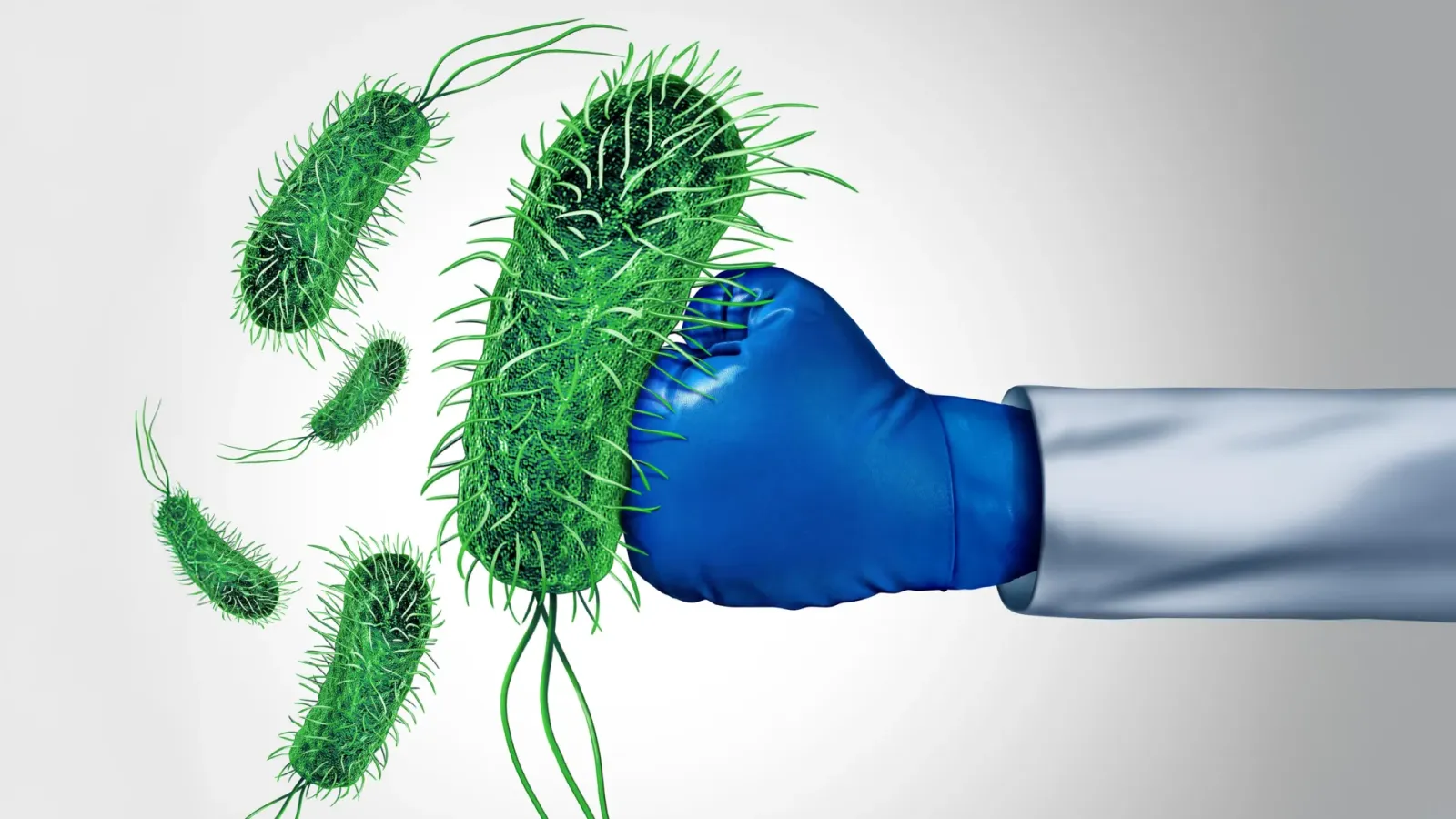
Researchers paired vancomycin with a small molecule called pghi-4, which blocks a bacterial enzyme linked to resistance. The combination restored vancomycin’s ability to kill drug-resistant E. faecium, suggesting similar “helper” compounds could rescue other failing antibiotics.
Vancomycin is getting a second life, and the key is not a brand-new antibiotic. Scientists found they can revive the powerful drug’s ability to kill drug-resistant E. faecium by pairing it with a small molecule called pghi-4. The whole move is a classic pivot away from the expensive, slow approach. Rather than betting everything on a totally new medicine, the researchers used a targeted “helper” to unjam the resistance mechanism that some dangerous bacteria have learned to survive.
Here is the practical, high-stakes idea: vancomycin plus pghi-4 restores killing against drug-resistant E. faecium. That matters because vancomycin has long been viewed as a major weapon in the antibiotic toolkit. When bacteria develop ways to resist an antibiotic that clinicians rely on, the medical system pays with longer illness, tougher treatment choices, and increased pressure to find something else fast. This study suggests a workaround: keep the antibiotic, block the resistance pathway.
To understand why this is more than a lab curiosity, it helps to look at how antibiotic resistance usually plays out. Bacteria do not just “get weaker” or “stop working.” They evolve strategies that interfere with drug action. In this case, the researchers targeted a bacterial enzyme tied to resistance. Pghi-4 blocks that enzyme, which is the molecular hinge that allows resistant bacteria to hold the line. Once that enzyme is blocked, vancomycin can again do what it was designed to do: kill.
The strategy is also notable because it is not framed as a pure replacement for vancomycin. It is a combination approach. That distinction matters for how development pipelines are built. When you create a completely new antibiotic, you inherit the full cycle of discovery, optimization, safety testing, and regulatory review. A combination that uses a known antibiotic plus a new helper molecule may still require significant testing, but it can potentially shift the effort from reinventing the whole drug to validating how the pair works together. The source makes that clear by emphasizing that instead of creating an entirely new drug, researchers paired vancomycin with pghi-4.
For decision-makers watching antibiotic programs, the money and time question is always in the background. Antibiotics have struggled to attract consistent commercial investment historically, in part because the market dynamics are hard: stewardship programs, payers, and clinicians prefer to limit use to preserve effectiveness, which caps revenue potential compared with many chronic therapies. When resistance starts winning, though, the system’s willingness to test solutions rises quickly. Even if this research is early, it points to a category shift: “antibiotic rescue” using adjuvants or chemical helpers that disarm resistance mechanisms rather than replacing the core antibiotic.
Regulatory framing, too, tends to care about what is truly new. Combining an existing antibiotic with a new molecule may still trigger demanding clinical evaluation, but the biology can be easier to explain. Regulators and clinicians can link the helper’s role to a defined resistance mechanism, in this case an enzyme blocked by pghi-4. That mechanism-first logic can be powerful when you want a therapy that makes sense, not just one that sometimes works. The source is explicit that pghi-4 blocks an enzyme linked to resistance, and that the combination restored antibiotic killing.
There is also a board-level implication beyond vancomycin itself. The study’s promise is not just about one drug against one bug. The source says the results raise hopes that similar chemical helpers could rescue other failing medicines. That signals a platform-like opportunity: if you can identify other resistance enzymes and pair them with appropriate inhibitors, you might extend the useful life of antibiotics that are already part of treatment protocols.
For executives, investors, and operators, the strategic stakes are straightforward. Antibiotic resistance is not waiting for new drug discovery timelines. Every delay increases the odds that resistant strains spread, forcing treatment into narrower lanes. If combination strategies like vancomycin plus pghi-4 can reliably restore activity, that could change how pipelines are prioritized, how partnerships are structured, and how future antibiotic “value” is defined. Today, the headline fact is clean: vancomycin’s activity can be restored against drug-resistant E. faecium when paired with pghi-4. The second-order question for the industry is whether this approach can scale to other resistance mechanisms, turning “defeated” drugs back into working tools.
This story's Key Insights and Take-aways are locked.
Create a free account to unlock Executive Actions for one credit.
Register to UnlockAlways free for Executives Club members. Join the Club
More in Science

ADM’s Naghibi says psychobiotics grew fast, but “mechanisms” still aren’t pinned down
The gut-brain link is no longer a seminar punchline. Now the big question is what, exactly, drives mental-health effects.

KAUST’s genome tool inserts large DNA sequences in rice and tobacco without DNA breaks
A new plant-genome editing method removes a long-standing bottleneck, unlocking bigger genetic “plug-ins” for future crop traits.

Aquincum museum reconstructs 16 Roman faces with 3D CT, silicone models, and ancient DNA
A new exhibition in Budapest turns skulls into hyperrealistic people, raising questions about what science can and cannot know.