
Vanguard says Americans’ 401(k) balances hit records last year. Here’s what to watch next
Record balances in Vanguard’s latest “How America Saves” report are good news, but they change how leaders should plan.
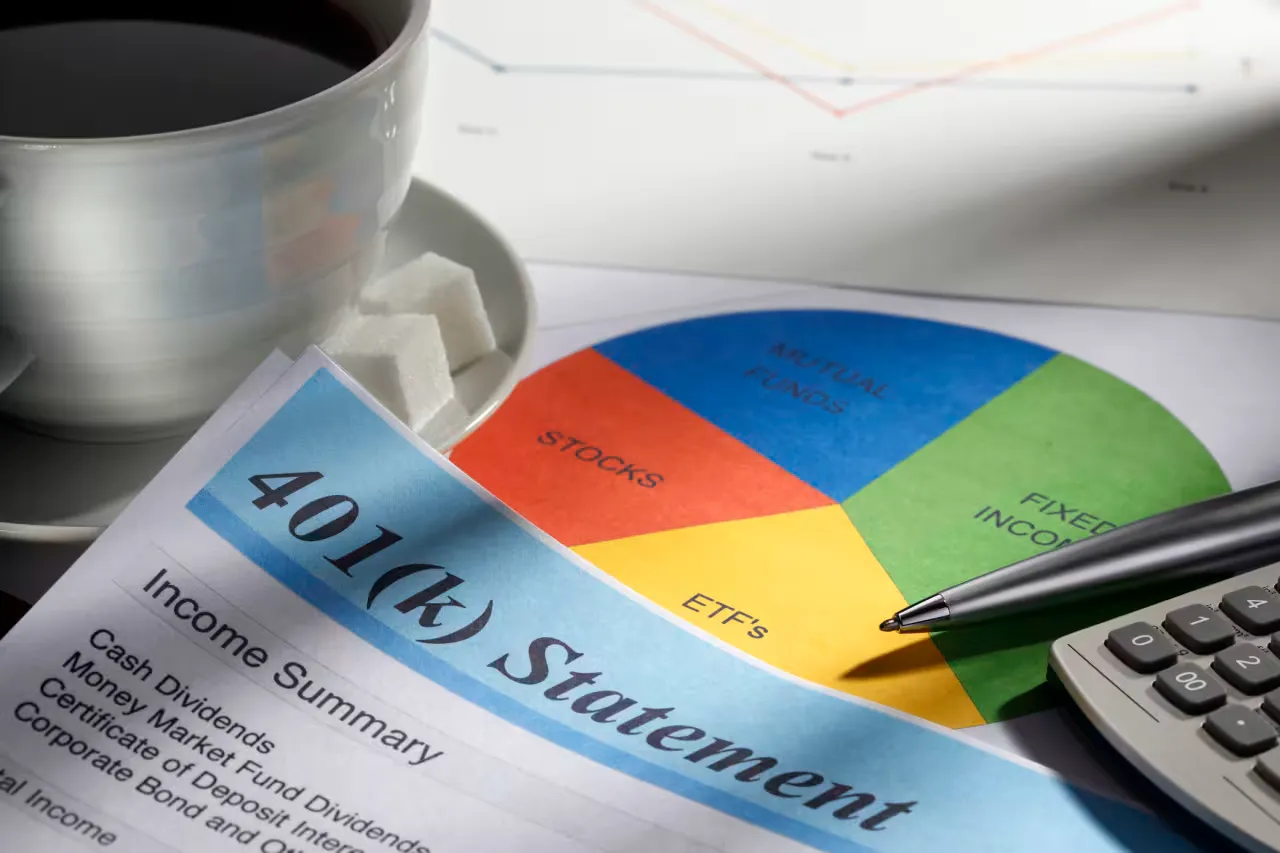
Vanguard’s latest “How America Saves” report says workplace retirement savers ended last year with record 401(k) balances. For decision-makers, it signals shifting household balance-sheet dynamics that can affect capital flows, product demand, and benefit strategy.
Americans’ 401(k) balances hit record levels last year, according to Vanguard’s latest “How America Saves” report. The report frames it as “a very good year for most workplace retirement savers,” which matters because 401(k)s are one of the biggest financial plumbing systems in the US economy, sitting at the intersection of markets, employers, and individual behavior.
If you are an executive or board member overseeing benefits, that “record” detail is not just trivia. It is the clearest signal yet that, for many workers, retirement accounts recovered and grew enough to set new highs. The immediate takeaway is obvious: more savers are likely ending the year with higher balances, which can improve confidence, reduce short-term anxiety, and make participants more likely to stay the course during future market swings.
Now zoom out, because the second-order effects are where leaders earn their keep. 401(k)s do not exist in a vacuum. They are powered by payroll deductions, employer matching policies, and the investment options plan sponsors make available. When balances rise broadly, it changes the conversation inside benefits meetings, not just among employees. Internal metrics like contribution rate participation, loan activity, and plan engagement often move with account values. When account values are up, employees may interact more with their accounts, rebalance less out of panic, and ask fewer “should I switch now?” questions. That can reduce friction for HR and benefits teams, but it can also mask underlying behavioral gaps. A record year can make it feel like the system is working flawlessly, even if some employees still contribute too little, invest too conservatively, or remain behind in cumulative savings.
There is also a policy angle. Workplace retirement plans sit under a web of regulations designed to protect participants and shape how plan sponsors run their fiduciary responsibilities. While this MarketWatch piece only references Vanguard’s report and the “very good year” framing, the broader context is that regulators and policymakers care intensely about outcomes: leakage, diversification, fees, and whether participants are positioned to retire with enough assets. Record balances in a single year can improve snapshot outcomes, but they do not automatically fix structural risks like inadequate savings rates or concentration in a narrow set of funds.
Here is the part boards should not ignore: “most” matters. The piece says it was a very good year for most workplace retirement savers. That phrasing is doing real work. It implies uneven outcomes across workers and across plan types. For leaders, that means the board-level question is not whether the average participant had a good year. It is whether the company can identify and support the participants who did not. Those gaps tend to correlate with factors like tenure, income, plan design details, and whether employees consistently contributed through volatile periods.
Second, record balances can shift expectations on both sides of the benefits relationship. Employees may view the plan as delivering tangible results, increasing trust in employer matching and investment lineups. Meanwhile, employers can see rising balances as an opportunity to reinforce long-term behavior: encouraging contributions during downturns, nudging appropriate diversification, and making it easier for participants to understand their options before panic trades take over. The risk is that companies might relax their focus because the headline is positive. A strong year should raise the standard for communication, not lower it.
Third, consider the capital markets spillover. 401(k) growth is not just personal finance. It supports sustained demand for investment products, influences how money is allocated across asset classes through employer plan defaults, and helps shape market liquidity. When more accounts reach higher balances at the same time, it can mean more money is staying invested rather than moving out due to life events or fear of losses. That can have downstream effects on how investment managers anticipate flows and how firms design retirement-focused offerings.
For executives and boards at companies offering workplace retirement plans, the strategic stakes are clear. Vanguard’s report suggests that a large cohort of workers ended last year with record balances. That is a win. The real job now is to ensure the company turns that win into durable retirement readiness for the participants who did not fully benefit. Because markets eventually cool, and “record levels” are not a permanent state. The leaders who will stand out are the ones who use this good news to tighten plan performance where it matters most: contribution behavior, diversification habits, and participant support that holds up when the next downturn arrives.
This story's Key Insights and Take-aways are locked.
Create a free account to unlock Executive Actions for one credit.
Register to UnlockAlways free for Executives Club members. Join the Club
More in Business

Bungie cuts most Destiny 2 staff as Sony says Marathon still matters
Herman Hulst confirms layoffs affecting most Destiny and some Marathon teams after Bungie admits Destiny fell short.

SK Hynix jumps 11% after seeking up to $29.4B in Nasdaq listing
The chip giant filed for a Nasdaq listing plan that could raise $29.4 billion, instantly reshaping investor expectations.

Micron revenue hits nearly $42B as AI memory lifts gross margins above 81%
Fiscal Q3 results crush estimates, prove AI memory is rewriting Micron's margins, and change the momentum math for the whole chip stack.