

Vietnam courts FIFA's embattled chief as football power play unfolds
Hanoi's push for deeper ties with Gianni Infantino signals a strategic bet on football's global governance - and a test of how far nations will go to win influence.
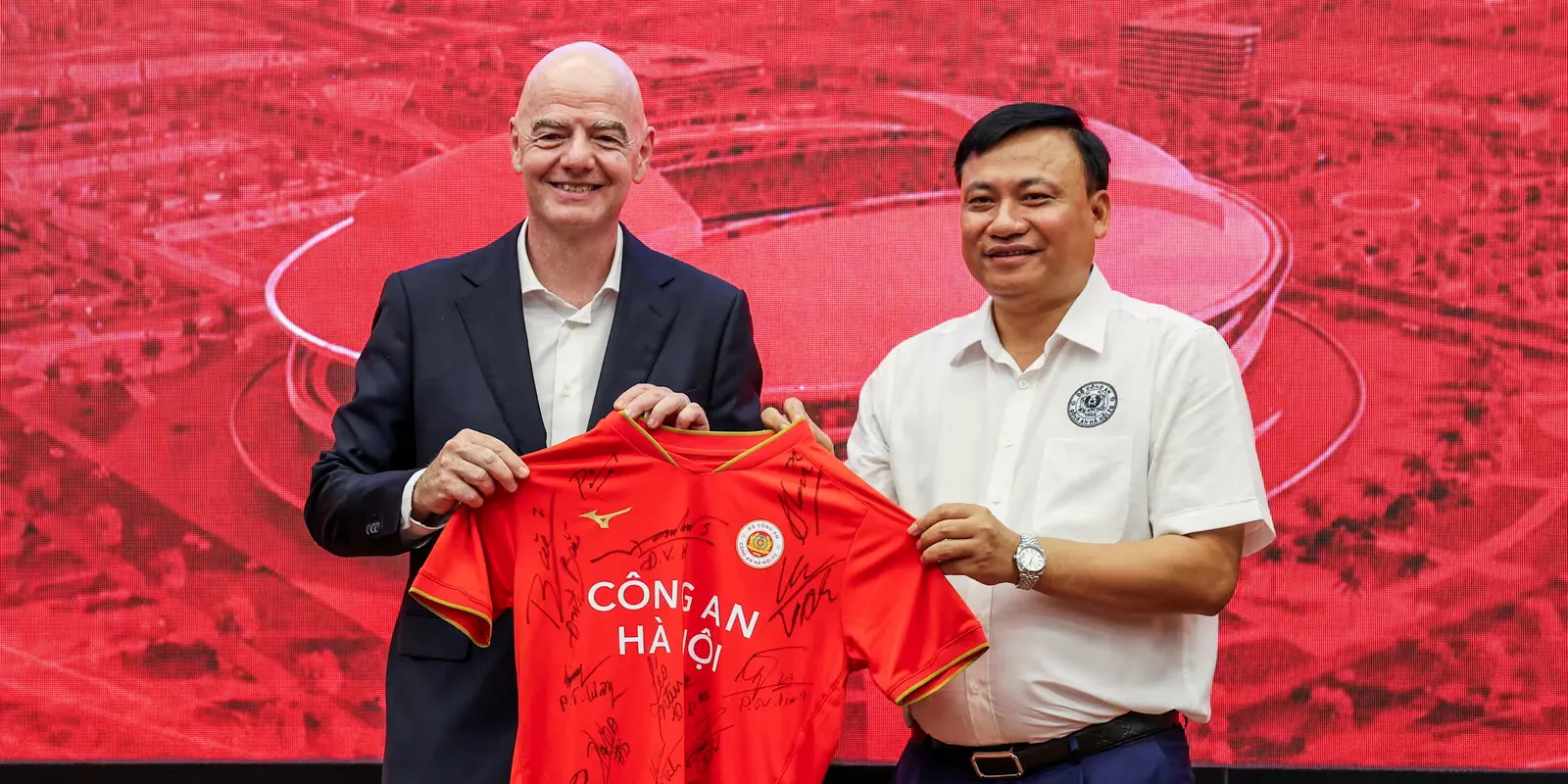
Vietnam is seeking closer ties with FIFA during Gianni Infantino's visit, despite the president's embattled standing. The move underscores Vietnam's ambition to elevate its football program and leverage governance relationships for competitive and economic gains.
Vietnam is making a calculated play to deepen its relationship with FIFA, hosting president Gianni Infantino as he navigates a storm of controversy. The visit, reported by Nikkei Asia, comes at a moment when Infantino's leadership is under intense scrutiny, yet Hanoi sees an opportunity to align itself with the sport's governing body. For a nation with rising football ambitions, this is not just about diplomacy - it is about securing a seat at the table where the rules of the game are written, and where the financial and developmental rewards of the sport flow outward to member nations.
The move is a striking signal of Vietnam's intent to move beyond regional status and into the global football conversation. While the specifics of the talks have not been disclosed, the very act of hosting Infantino - a figure who has faced investigations and criticism over his leadership style and governance decisions - suggests that Vietnam is willing to engage with the existing power structure to advance its interests. This is a pragmatic calculation: FIFA controls the World Cup, development funds, and the regulatory framework that shapes the sport's global economy. For a country like Vietnam, where football is the national passion and a growing commercial sector, deeper ties with FIFA could translate into infrastructure investment, coaching programs, and a stronger voice in continental and global competitions.
The context of Infantino's embattled status cannot be ignored. He has weathered allegations of ethical lapses, secret meetings, and a controversial re-election process, though he has consistently denied wrongdoing and maintained support from many member associations. For Vietnam, this is not a liability but an opportunity. By welcoming him, Hanoi positions itself as a loyal partner at a time when other nations might distance themselves. This could yield dividends in the form of FIFA's backing for major projects, such as the development of a national football academy or the hosting of international tournaments. It also places Vietnam in a favorable position as FIFA looks to expand its footprint in Asia, a region where the sport's growth potential is immense.
The strategic stakes extend beyond Vietnam's borders. Other emerging football nations in Southeast Asia - and across the developing world - will be watching how this relationship evolves. If Vietnam secures tangible benefits from its courtship of Infantino, it could trigger a wave of similar overtures from countries eager to replicate that success. This would reshape the dynamics of football governance, where influence is often concentrated among established powers. For executives and policymakers in sports, media, and investment, this is a reminder that governance relationships are as critical as on-field performance. The ability to navigate the politics of international sport can unlock commercial opportunities, from broadcast rights to sponsorship deals, that are otherwise out of reach.
For the broader business community, the visit is a case study in how nations leverage soft power. Vietnam's economy has been on a rapid growth trajectory, and football is a key part of its cultural identity. By aligning with FIFA, Hanoi is not just investing in sport; it is investing in its global brand. The potential to host regional or even global events would put Vietnam on the map for tourism and investment, creating a halo effect across industries. At the same time, the association with a controversial figure carries risks. Critics may question Vietnam's judgment, and any fallout from Infantino's troubles could tarnish the relationship. But for now, Hanoi appears to be betting that the rewards outweigh the reputational costs.
The visit also highlights the delicate balance that FIFA must strike as it seeks to grow the game while managing its own governance challenges. Infantino's willingness to travel to Vietnam and engage with a rising football nation is part of a broader strategy to solidify support among member associations, particularly in Asia, which represents a significant voting bloc. For Vietnam, this is a chance to demonstrate its reliability and ambition. The outcome of these talks could set a precedent for how FIFA engages with emerging markets, potentially leading to more equitable distribution of resources and opportunities.
For decision-makers in adjacent sectors - from sports technology to media rights - the implications are clear. Countries that invest in football governance relationships are likely to see a return in the form of infrastructure contracts, broadcasting deals, and talent development programs. Vietnam's move is a signal that it intends to be a major player in the global football economy, and companies that position themselves early could benefit. The visit also serves as a reminder that the politics of sport are inseparable from the business of sport. Those who understand the interplay between governance, diplomacy, and commerce will be better equipped to navigate the opportunities that arise.
In the end, Vietnam's courtship of Infantino is a bold, forward-looking strategy. It acknowledges the reality that to compete on the world stage, you must engage with the institutions that control the game. While the immediate outcomes of the visit remain to be seen, the message is clear: Vietnam is ready to play at the highest level, and it is willing to make the necessary alliances to get there. For other nations and businesses watching, the lesson is that in the world of football, as in any global industry, relationships are the ultimate currency.
This story's Key Insights and Take-aways are locked.
Create a free account to unlock Executive Actions for one credit.
Register to UnlockAlways free for Executives Club members. Join the Club
More in Business
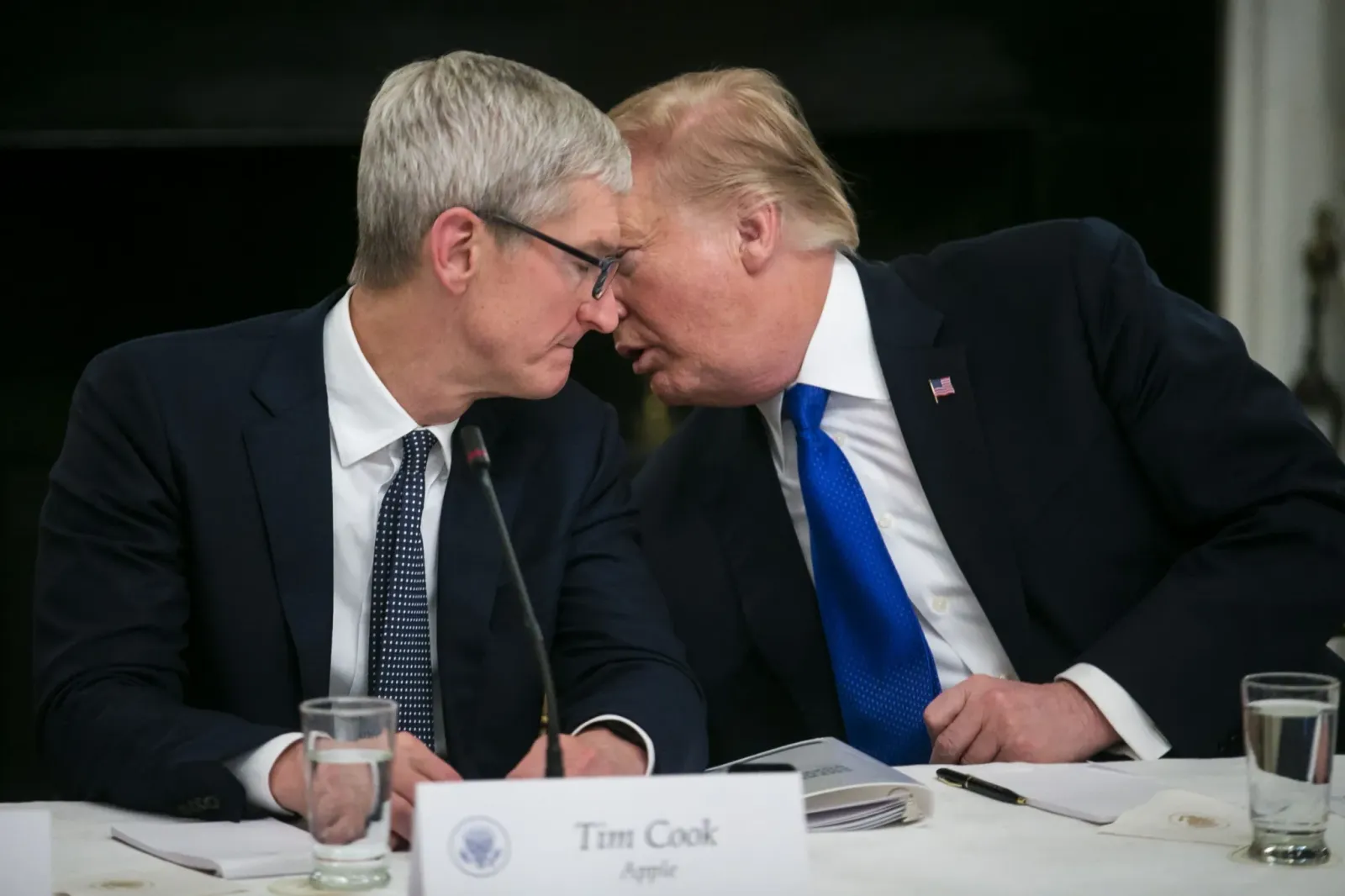
Tim Cook steps down as Apple CEO, stays on as chair with $45M equity
The 'Trump whisperer' keeps his White House and Beijing access as Apple navigates tariffs and a $4.6 trillion market cap.

Snowflake shares surge as AI data demand crushes estimates, lifting full-year forecast
Stocks jumped on stronger-than-expected guidance, signaling enterprise AI workloads are accelerating faster than Wall Street priced in.
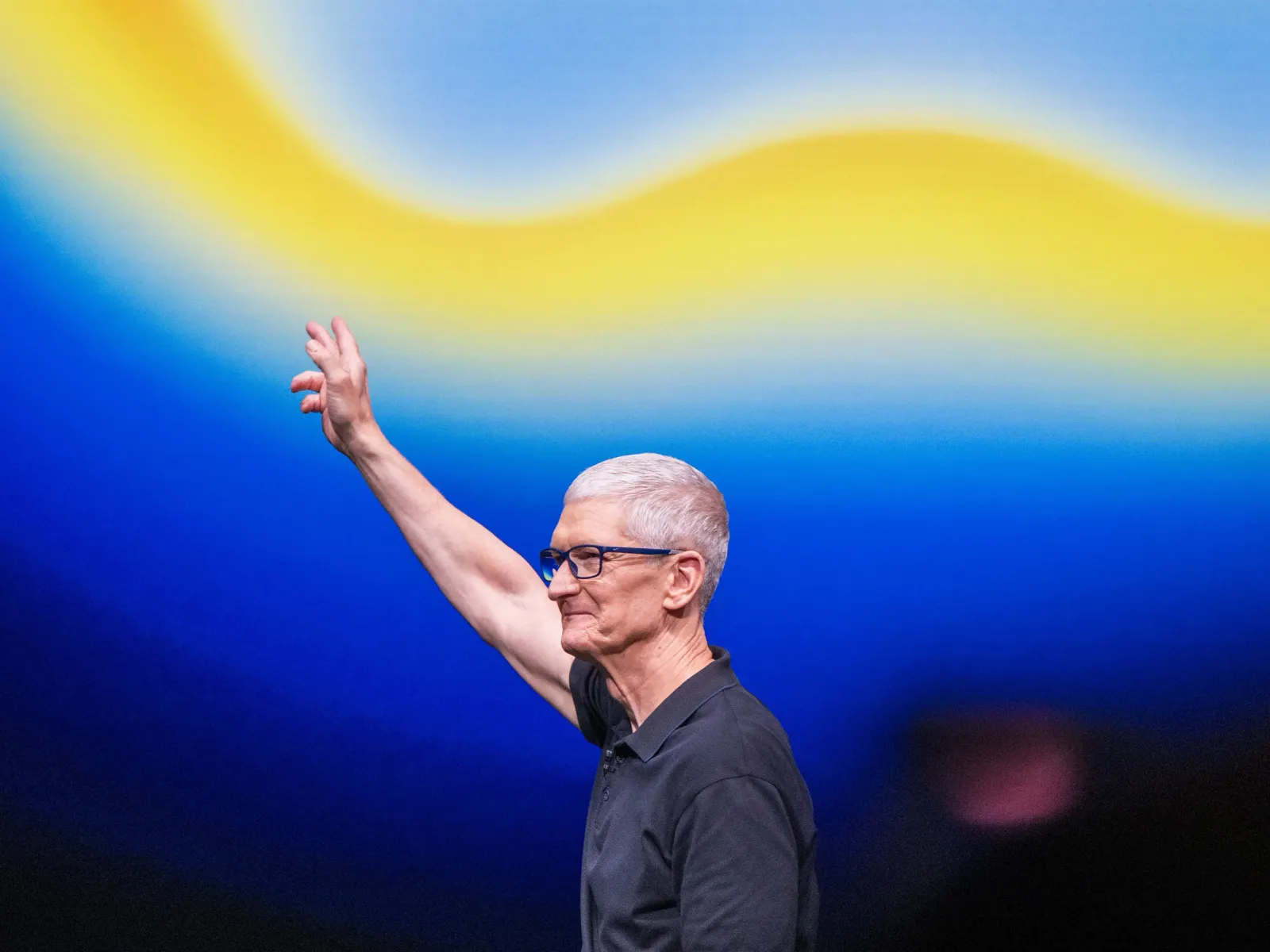
Tim Cook's 15-year Apple CEO run ends: 3 lessons for any successor
After 15 years, Tim Cook hands Apple to John Ternus - here's how he turned a $350B company into a $4.6T juggernaut.