
Vincent Pastore, Big Pussy actor on The Sopranos, dies at 80
The Sopranos cast loses Vincent Pastore, found at his New York City home, in a death that reminds the entertainment industry how fast eras end.
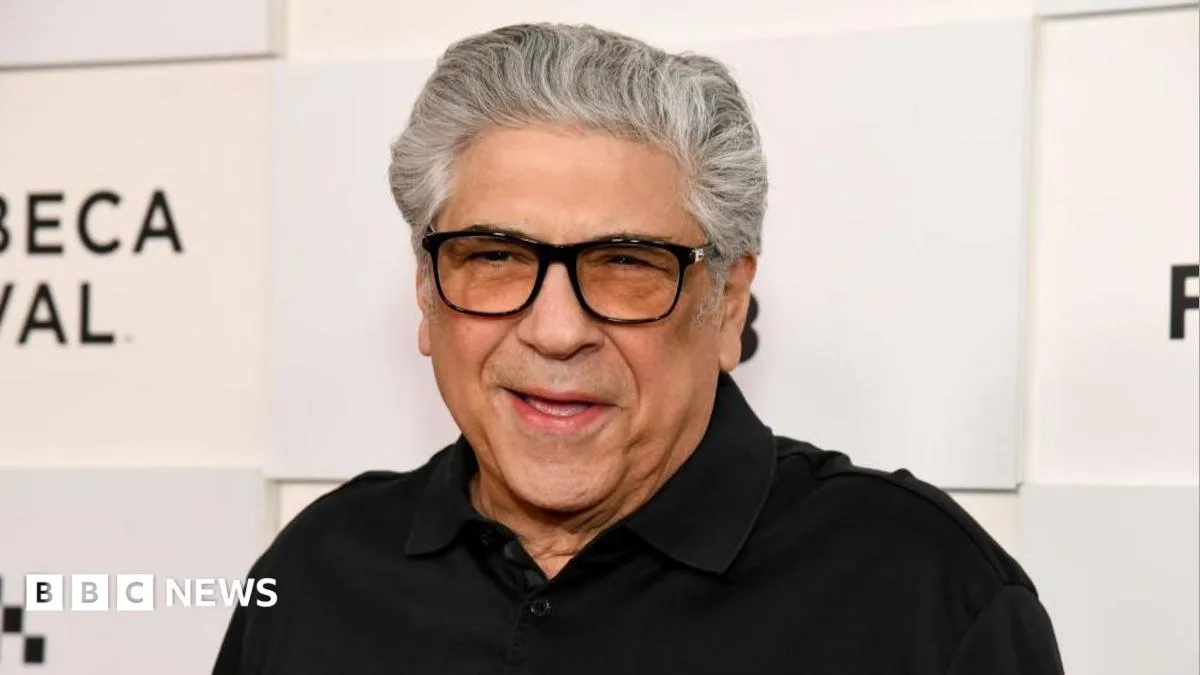
Vincent Pastore, best known for playing Salvatore 'Big Pussy' Bonpensiero on The Sopranos, has died at age 80, with US media reporting he was found at his New York City home. For decision-makers in entertainment, it is a prompt to treat talent transitions, legacy assets, and health or safety planning as operational priorities, not afterthoughts.
Vincent Pastore, the actor who played Salvatore "Big Pussy" Bonpensiero on HBO’s hit US drama The Sopranos, has died at age 80. US media report that he was found at his home in New York City.
Pastore’s role was not just a memorable character name. "Big Pussy" sat inside one of TV’s most influential ecosystems of consequences, where choices ripple through relationships and reputations. When an actor tied to a culturally dominant series passes, the industry does not only lose a performer. It also loses a live point of connection to a show that many executives still measure themselves against, whether they admit it or not.
In an entertainment business built on repeatable IP, this kind of death lands in three places at once. First is the public narrative, where studios, networks, and talent teams typically coordinate statements and curatorial choices: what gets posted, what is removed, and what is left to stand. Second is the operational side, where agencies and production companies manage ongoing obligations tied to contracts, residuals, guild rules, and archival usage. Third is the financial and brand side, where long-running franchises rely on the emotional memory of audiences to keep libraries valuable and to keep new seasons, spin-offs, and derivative deals credible.
The Sopranos is now firmly in the category of legacy television that behaves like evergreen media. That changes incentives. Executives tend to view these properties as stable cash flow, but they also require stable stewardship. When talent connected to a legacy series dies, questions pop up quickly: will there be changes in how marketing references the actor, how footage is licensed, or how public materials are timed? Those are not speculative questions in practice. They are the reason entertainment companies build playbooks for announcements, rights administration, and content management.
This moment also intersects with how the media ecosystem reports and verifies deaths. Here, the source says Pastore was found at his New York City home, with US media reporting the circumstances. For leaders who coordinate communications across press, platforms, and partners, the timing matters. In a digital world, minutes turn into memes and misinformation faster than legal review can keep up. That is why reputable organizations prioritize disciplined workflows: confirmation, alignment on wording, and consistency across channels.
There is also a darker but necessary operational theme: talent health and wellbeing planning. While the source does not detail causes, executives can still draw the general lesson that high-profile individuals can disappear from public view for reasons that may never be fully understood immediately by coworkers or fans. Organizations that rely on a small number of key people, whether for press, live events, or production operations, typically benefit from having systems for check-ins, emergency contact procedures, and well-defined escalation paths. The point is not to assume worst-case scenarios. The point is to reduce chaos when the real world refuses to wait for planning documents.
Zoom out, and the strategic stake becomes clear for anyone running entertainment brands. The industry often treats cultural impact as a long arc. But the human layer that creates that impact can end abruptly. A series like The Sopranos stays “hit” not only because of writing, direction, or production values. It stays because audiences remember the people who brought characters to life. When an actor like Pastore dies, it reshapes the tone of retrospectives, the emphasis in casting talk, and even the way younger viewers interpret the show’s authenticity.
For boards and executives, this is a reminder to manage legacies like living assets. They require rights clarity, respectful communications, and operational resilience when the people behind the work are gone. Pastore’s death at 80, with US media reporting he was found at his New York City home, is a factual endpoint. The second-order implications are what leaders can control: how their organizations honor talent, manage IP responsibly, and prepare for the moments when history moves faster than policy.
This story's Key Insights and Take-aways are locked.
Create a free account to unlock Executive Actions for one credit.
Register to UnlockAlways free for Executives Club members. Join the Club
More in Entertainment

'It's a Magic Trick': Ballet Experts Say Rosalía's SNL Pose Is Impossible
Three ballet experts tell Rolling Stone Rosalía's gravity-defying SNL stillness shouldn't be possible - and why the debate is now part of the show.

Activision CMO: GTA 6 Will Boost Call of Duty, Not Bury It
Activision's top marketer says Rockstar's blockbuster will drive players back to consoles and into Modern Warfare 4, even as the company admits its recent strategy failed.
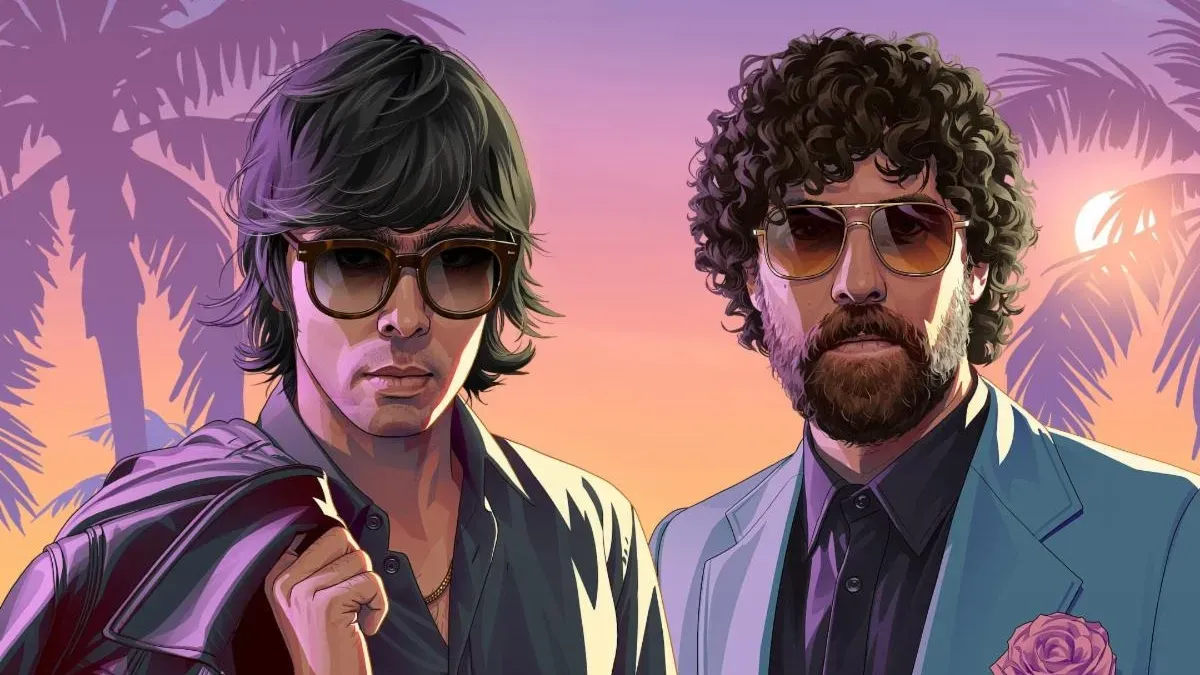
Justice to Score GTA 6, Share New Song with Tame Impala, SZA, King Gizzard
Rockstar taps the French duo for the GTA VI score, and the first taste is a genre-melting collab with Tame Impala, SZA, and King Gizzard & The Lizard Wizard.