

VinFast's EV factory sale can't hide its widening losses
The Vietnamese automaker's asset sale raises fresh questions about its cash runway and the true cost of its EV push.
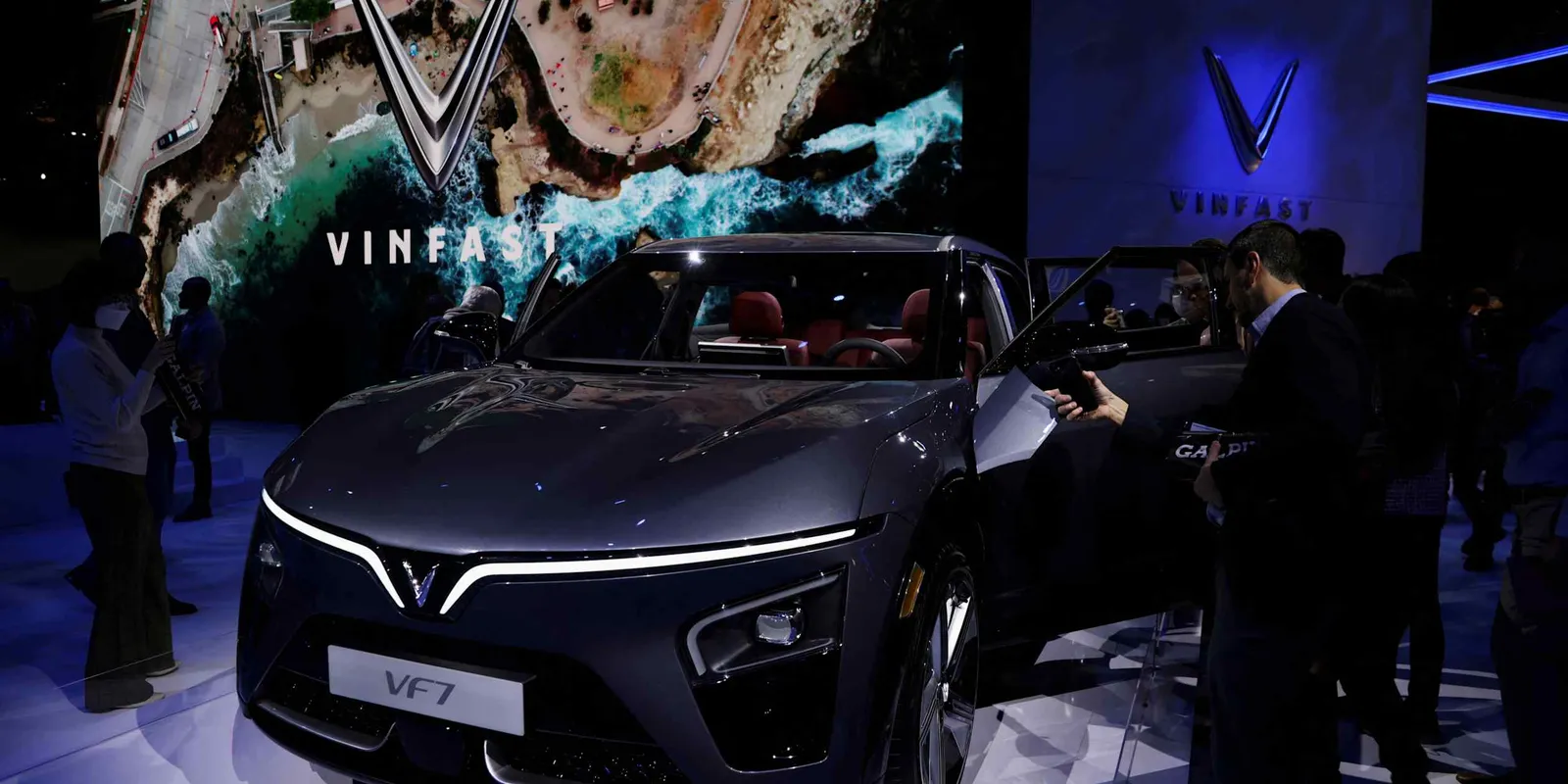
VinFast, the Vietnamese electric vehicle maker, has sold off an EV factory, a move that masks a widening operating loss. For decision-makers, the sale signals liquidity pressure and a potential trade-off between short-term cash and long-term manufacturing capacity.
VinFast just sold off an EV factory. That's the headline. But the move is doing double duty: it's raising cash while masking a widening operating loss. The Vietnamese electric vehicle maker, which has been on an aggressive global expansion push, is now shedding the very assets it needs to scale production. It's a classic sign of a company that needs money now, even if it means sacrificing future capacity.
The factory sell-off is a strategic pivot that raises more questions than it answers. VinFast, the automotive arm of Vingroup, Vietnam's largest conglomerate, has been burning through cash as it tries to establish itself in a brutally competitive EV market. The company's operating loss has widened, according to the report, and the asset sale is a way to plug the gap. But selling a factory is not like selling inventory - it's a structural change that reduces the company's ability to produce vehicles at scale.
For context, the EV industry is one of the most capital-intensive sectors in the world. Building a car company from scratch requires billions in upfront investment, and most startups lose money for years before turning a profit. VinFast is no exception. The company has been spending heavily on manufacturing capacity, research and development, and global expansion, including a high-profile entry into the US market. That spending has outpaced revenue, leading to widening losses. VinFast went public in 2023 via a SPAC merger, which gave it access to public markets and a wave of investor attention. But the hype has faded as the company's financials have come under scrutiny, and its stock has been volatile since its Nasdaq debut.
The decision to sell a factory suggests that VinFast's leadership is prioritizing liquidity over long-term growth. Asset sales are a common tool for cash-strapped companies, but they come with a cost. A factory is not just a building - it's the engine of future production. Selling it means less capacity, higher reliance on contract manufacturing, or a need to build or buy new capacity later, likely at a higher price. For a company that has been trying to establish itself as a global player, this is a significant concession.
This move also signals something about the broader EV market. The industry is in a shakeout phase. Demand growth has slowed, price competition has intensified, and many startups are struggling to achieve profitability. VinFast's factory sell-off could be a canary in the coal mine for other EV makers that have relied on aggressive expansion to fuel growth. If a company with the backing of a major conglomerate is selling assets to cover losses, what does that say about the rest of the pack? The EV market is also facing headwinds from rising interest rates, which make it more expensive for consumers to finance vehicles, and from a patchwork of government incentives that vary by region.
For executives and boards, the lesson is clear: cash is king, but asset sales are a double-edged sword. Selling a factory can provide a short-term lifeline, but it also signals to investors that the company's core business is not generating enough cash to sustain itself. The widening operating loss is the underlying problem, and the factory sale is just a symptom. Until VinFast can demonstrate a path to profitability, the market will likely remain skeptical. The company's leadership must now answer tough questions about how it plans to reverse the loss trend and whether more divestitures are on the horizon.
What should investors and competitors watch next? First, whether VinFast will need to sell more assets or raise capital through equity or debt. Second, whether the company can narrow its operating loss through cost cuts or higher sales. Third, whether the factory sale will impact its ability to deliver vehicles to customers on time. Each of these will be a test of VinFast's long-term viability. The company's ability to secure new funding without diluting existing shareholders will be particularly telling.
The factory sell-off is a bold move, but it's not a strategy. It's a stopgap. The widening operating loss is the real story, and it's one that VinFast can't sell its way out of. For the rest of the industry, it's a reminder that in the EV race, the winners will be the ones who can balance growth with financial discipline - and that selling the farm is rarely a winning formula. VinFast's next earnings report will be the first real test of whether this move buys enough time to turn the ship around.
This story's Key Insights and Take-aways are locked.
Create a free account to unlock Executive Actions for one credit.
Register to UnlockAlways free for Executives Club members. Join the Club
More in Business

Elon Musk unveils a flying car, and SpaceX helped build it
The Tesla CEO's showcase at a SpaceX facility signals a future where road and rocket engineering converge.

Apple's $2,000 iPhone Duo opens preorders, taking on Samsung and Google
Apple's first foldable hits the market at a premium price, reshaping a category Samsung and Google have led.

Pope Leo XIV, first American pope, diagnosed with lung cancer
The 71-year-old Chicago-born pontiff underwent successful surgery on his right lung, and his diagnosis raises new questions about his AI-focused papacy and the Vatican's future.