
Viral street-beggar video: an AI humanoid panhandles and triggers societal alarm bells
For executives, the moment is less about prank potential and more about governance, consent, and liability.
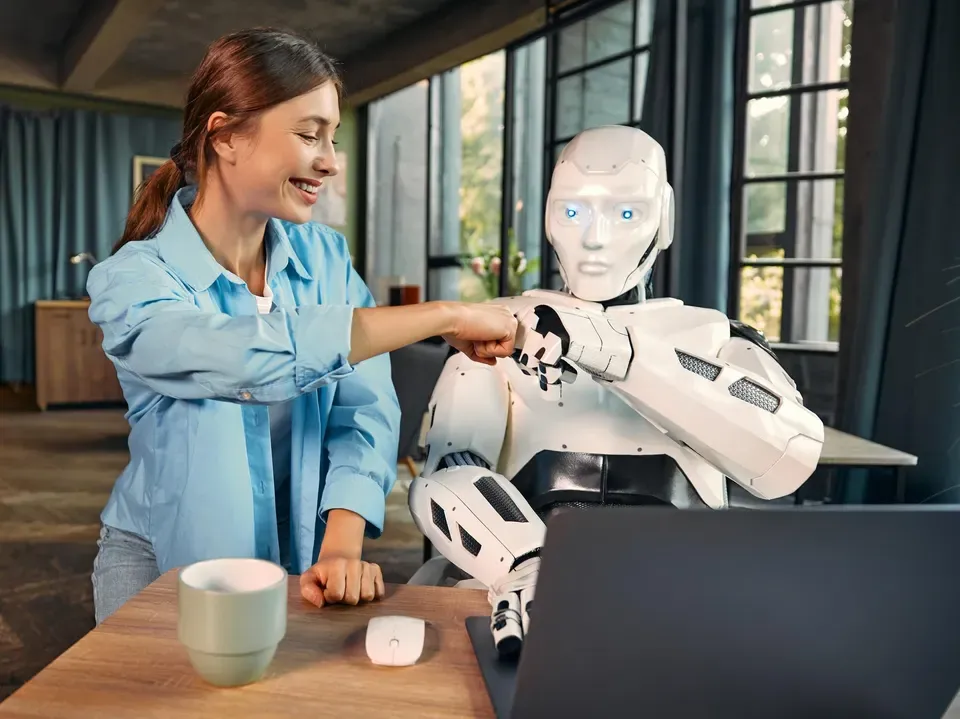
An AI-powered humanoid robot was used to panhandle, and the resulting video went viral. The development forces decision-makers to confront how AI agents interact with public spaces and what responsibility follows.
An AI-powered humanoid robot was used to panhandle, and the video went viral fast. The spectacle is grabbing attention, but the real impact is that it turns a familiar public interaction into an AI operational and reputational problem. When a machine can mimic human street begging convincingly enough to spark a viral clip, the stakes shift from “cool demo” to “who is liable, and what rules should apply.”
This matters for executives because the question is no longer just whether the robot can move, speak, or look human. It is whether the system is being used in a way that exploits people, manipulates public behavior, or bypasses social norms. Even the basic premise, panhandling, is a highly visible activity tied to vulnerability and public trust. Put AI in the middle, and every bystander becomes a stakeholder: viewers, local communities, platform operators hosting the video, and the organizations connected to deploying or building such robots.
Zoom out, and you can see why this kind of viral event lands like a pressure test for AI governance. The public has been quick to treat AI as “software in the cloud,” but humanoid robots make it physical, immediate, and harder to bracket as harmless. A viral video collapses distance. What starts as a street clip quickly becomes a case study that regulators, boards, and risk committees can point to when discussing acceptable use policies. In other words, social media does not just amplify; it accelerates compliance conversations.
There is also a market reality behind the attention. Humanoid robotics is in a race for demonstrations that show capability, not just prototypes that sit behind closed doors. Viral moments are currency because they attract partners, funding, talent, and public mindshare. But that same incentive is where second-order risks show up. If companies optimize for “watchability,” the operational deployment can outpace the ethical framework. Panhandling is a particularly sensitive use because it does not resemble a controlled lab task. It is a public-facing activity with direct human interaction.
That is where the governance questions get sharp. In most AI and robotics rollouts, executives think in layers: product safety, data handling, and user-facing behavior. This scenario adds additional layers: consent from people in the environment, transparency to the public, and potential exploitation concerns. It also raises uncertainty about responsibility chains. If an AI humanoid is deployed by one party and the footage is captured or promoted by another, who owns the decision, who controls the behavior, and who answers for the outcome? Even when no physical harm is obvious, reputational harm and trust erosion can be fast and expensive.
Then there is the regulatory and policy backdrop executives cannot ignore. Regulators have been trying to keep up with generative AI and autonomous systems, often focusing on transparency, misuse, and accountability. Humanoid robots complicate enforcement because the “system” is not only generating content, it is embodied. That makes it easier for the public to interpret actions as intentional persuasion or deception rather than as a scripted stunt. For companies, that distinction matters when rules or guidelines start to harden around AI-driven influence in public spaces.
Finally, consider the boardroom angle. When an AI-powered humanoid robot panhandles and goes viral, it forces a reckoning on internal controls. Boards typically want assurance that teams are not just building technically impressive capabilities, but also managing deployment risk and public impact. This is the kind of headline that can turn a standing “we follow ethical principles” statement into a demand for specific policies: acceptable use boundaries, auditability of real-world demos, incident response plans, and clear ownership for what happens when public behavior goes off-script.
For other executives and organizations in robotics, AI, and consumer-facing tech, the strategic stake is clear: viral visibility can create momentum, but it can also create compliance debt overnight. The question is not whether the video is interesting. It is whether the industry treats moments like this as isolated stunts or as the start of a new normal where physical AI behaviors trigger immediate governance scrutiny. In a world where machines can perform humanlike acts in public, trust becomes a business constraint, not a PR afterthought.
This story's Key Insights and Take-aways are locked.
Create a free account to unlock Executive Actions for one credit.
Register to UnlockAlways free for Executives Club members. Join the Club
More in Technology

Nvidia's $89B data center quarter: the 9 companies cashing in
The AI buildout is minting fortunes beyond GPUs, and memory, cloud, and cooling suppliers are riding the same wave.

Google quietly links your phone number to every Android account on your SIM
Adding a SIM now ties your phone number to all Google accounts - and future accounts inherit it. Here's the security and privacy stakes.

Hijacker AI 'Skynet mode' runs 100,000 attack steps against exposed models
Symantec caught a criminal AI agent that borrows other models, steals data, and mines crypto; the only relief is no confirmed victims yet.