
Volkswagen's Blume backs EU 'Made in Europe' rules to counter China's EV surge
The VW CEO says Brussels must reward real value creation as cheaper Chinese brands squeeze European automakers - and his support could shape the EU's industrial response.
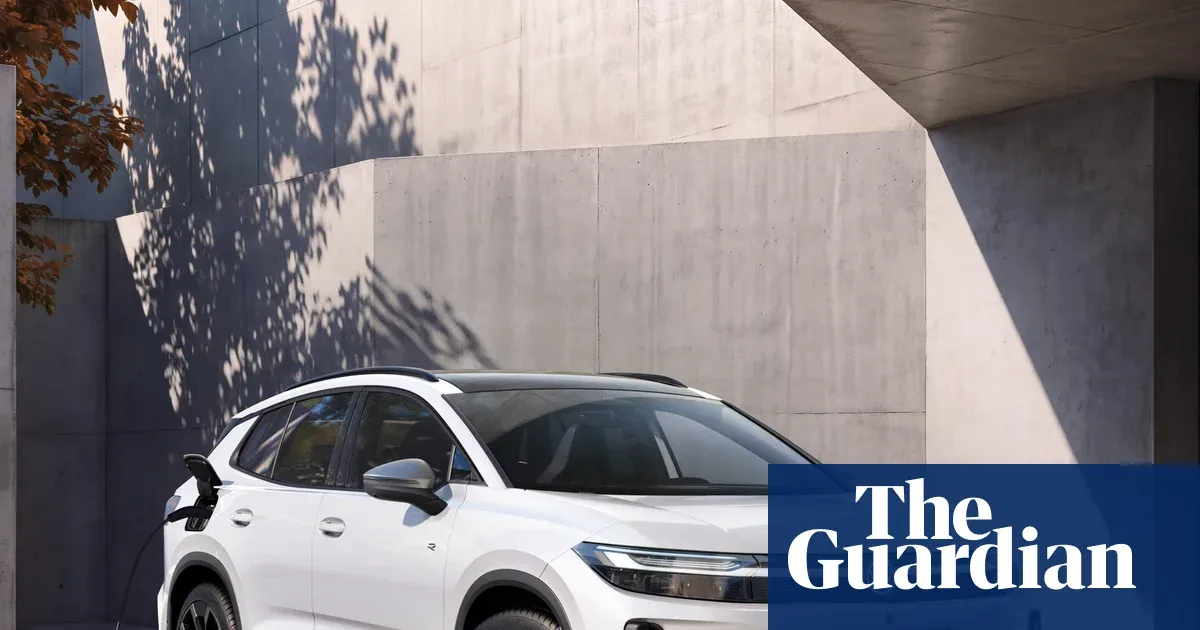
Volkswagen CEO Oliver Blume has endorsed EU proposals to strengthen domestic industry, arguing European carmakers need comparable conditions to compete with Chinese rivals. His backing adds weight to 'Made in Europe' rules that could reshape where automakers invest and how they price their EVs.
Volkswagen CEO Oliver Blume has publicly backed EU plans to bolster Europe's industrial base, telling reporters in Paris that 'Made in Europe' rules 'must reward real value creation in Europe' as lower-priced Chinese brands rapidly gain market share. Speaking ahead of the Paris motor show, Blume argued that European carmakers need to 'compete under comparable conditions' with their Chinese counterparts - a direct endorsement of the European Commission's push to protect domestic manufacturing from a wave of affordable EVs.
The comments land at a critical moment. European automakers are caught between a slowing home market and an influx of Chinese electric vehicles that undercut them on price while offering competitive technology. Blume's support gives political cover to EU policymakers who have been weighing how far to go with tariffs, local-content requirements, and public procurement preferences - without triggering a trade war with Beijing.
The 'Made in Europe' framework is still taking shape, but the core idea is to tie government support - whether state aid, tax breaks, or public contracts - to products that generate substantial economic value within the EU. Blume's insistence that such rules 'reward real value creation' suggests he wants the criteria to go beyond final assembly. That means rewarding engineering, software development, battery production, and supply-chain investments that keep jobs and intellectual property on the continent, rather than simply stamping 'assembled in Europe' on imported parts.
The urgency is clear. Chinese EV makers have slashed prices and compressed margins across the industry, forcing European incumbents to accelerate their own electric transitions while defending their traditional combustion-engine profits. Volkswagen, Europe's largest automaker, has been among the most exposed. Its ID series faces stiff competition from Chinese brands that have built out European distribution networks and are now targeting the mass-market segments that are Volkswagen's core.
Blume's public endorsement is notable because it aligns Volkswagen with a more protectionist-leaning agenda that some industry leaders have resisted. The fear has been that local-content mandates could raise costs, complicate global supply chains, and invite retaliation from China - a critical market for many European brands. By speaking out in Paris, Blume is signaling that the industry's biggest player is willing to accept some market distortion if it levels the playing field against state-backed Chinese competitors.
For executives across European manufacturing, the debate is a preview of a broader industrial policy shift. If 'Made in Europe' rules are written to reward genuine value creation, they could reshape investment decisions in batteries, semiconductors, and software - pushing companies to localize more of their supply chains even at higher upfront cost. That would be a reversal of decades of offshoring and could have ripple effects on trade relations, energy prices, and the pace of the EV transition. It could also accelerate the consolidation of Europe's fragmented battery and chip industries, as companies rush to qualify for preferential treatment.
The push for 'Made in Europe' is part of a wider EU effort to reduce dependence on foreign technology and manufacturing, a goal that has gained urgency since the pandemic exposed supply-chain vulnerabilities. Blume's backing gives that effort a powerful corporate champion, but it also raises expectations. Automakers will be lobbying hard in the coming months as the Commission finalizes its proposals, and the outcome will determine who wins the next phase of the global EV race.
The details matter more than the rhetoric. Blume's call for 'comparable conditions' leaves open how Brussels will define value creation - whether through local R&D, manufacturing jobs, or domestic content thresholds. If the rules do not deliver tangible rewards for companies that invest in the continent, the industry's patience will wear thin. The Paris motor show will be a stage for more of these conversations, but the real decisions will be made in Brussels - and in the boardrooms of every automaker watching its market share erode.
This story's Key Insights and Take-aways are locked.
Create a free account to unlock Executive Actions for one credit.
Register to UnlockAlways free for Executives Club members. Join the Club
More in Business

Elon Musk unveils a flying car, and SpaceX helped build it
The Tesla CEO's showcase at a SpaceX facility signals a future where road and rocket engineering converge.

Apple's $2,000 iPhone Duo opens preorders, taking on Samsung and Google
Apple's first foldable hits the market at a premium price, reshaping a category Samsung and Google have led.

Pope Leo XIV, first American pope, diagnosed with lung cancer
The 71-year-old Chicago-born pontiff underwent successful surgery on his right lung, and his diagnosis raises new questions about his AI-focused papacy and the Vatican's future.