

Volkswagen's Union Deal Cuts Tens of Thousands of Jobs. Revival or Delay?
The iconic German automaker's cost-cutting pact with labor raises the stakes for its EV turnaround. Can it survive the transition?

Volkswagen's management reached a landmark deal with unions to cut tens of thousands of jobs and slash production. The move is a bet that cost cuts can fund the company's electric transition and stave off decline.
Volkswagen has reached a deal with its unions to cut tens of thousands of jobs and slash production, a dramatic concession for an iconic German company. The agreement is the centerpiece of a turnaround plan aimed at reviving the beleaguered automaker. But the question hanging over the deal is whether it will be enough to save Volkswagen or merely delay its demise.
The stakes could not be higher. Volkswagen is Europe's largest automaker and a pillar of Germany's industrial economy, employing hundreds of thousands of workers. The company has been struggling with high costs, a slow transition to electric vehicles, and intensifying competition from Tesla and Chinese EV makers like BYD. The union deal is designed to address the cost side of that equation, but it does not, by itself, solve the deeper strategic challenges.
For context, Volkswagen has been here before. The company's diesel emissions scandal in 2015 cost it billions in fines and damaged its reputation, and it has since poured billions into electrification. Yet its EV transition has been slower than rivals, and its software division has struggled with delays and bugs. Meanwhile, China, once Volkswagen's most profitable market, has seen domestic brands like BYD eat into its share. The result is a company that is profitable but increasingly vulnerable.
The union deal is a significant concession. Germany's labor unions, which hold seats on Volkswagen's supervisory board, have historically resisted major job cuts. Their willingness to accept tens of thousands of job losses signals just how serious the company's situation has become. The agreement also includes production cuts, meaning Volkswagen will build fewer cars in Germany, a shift that has profound implications for its workforce and the country's manufacturing base.
But cost cuts alone may not be enough. Volkswagen's problems are not just about labor costs; they are about strategy and execution. The company needs to convince investors that it can compete in electric vehicles, software, and autonomous driving. It also needs to defend its position in China, where it is losing ground to local competitors. The savings from the union deal could fund those efforts, but the company has not said how it will allocate them.
For other automakers and executives, Volkswagen's deal is a cautionary tale. It shows that even the most powerful industrial companies can be forced into painful restructuring by the transition to electric vehicles. It also highlights the difficulty of cutting costs in Germany, where labor laws and union power make layoffs expensive and slow. Companies in similar positions should watch how Volkswagen executes this plan, because the outcome will shape the industry's playbook for years to come.
The broader implications extend beyond Volkswagen. Germany's economy, already struggling with high energy costs and weak growth, will feel the impact of reduced auto production. Suppliers and smaller companies that depend on Volkswagen will face uncertainty. And politically, the deal could fuel debates about the future of German manufacturing and the cost of the green transition. For now, Volkswagen has bought itself time, but time is not the same as a solution.
Ultimately, the union deal is a necessary but not sufficient step. It gives Volkswagen a lower cost base and a clearer path to invest in its future. But the company still needs to prove it can build compelling EVs, fix its software, and win back customers in China. If it does, the deal will be remembered as the moment Volkswagen turned around. If it does not, it will be seen as a delay of an inevitable decline. The next few years will tell.
This story's Key Insights and Take-aways are locked.
Create a free account to unlock Executive Actions for one credit.
Register to UnlockAlways free for Executives Club members. Join the Club
More in Business
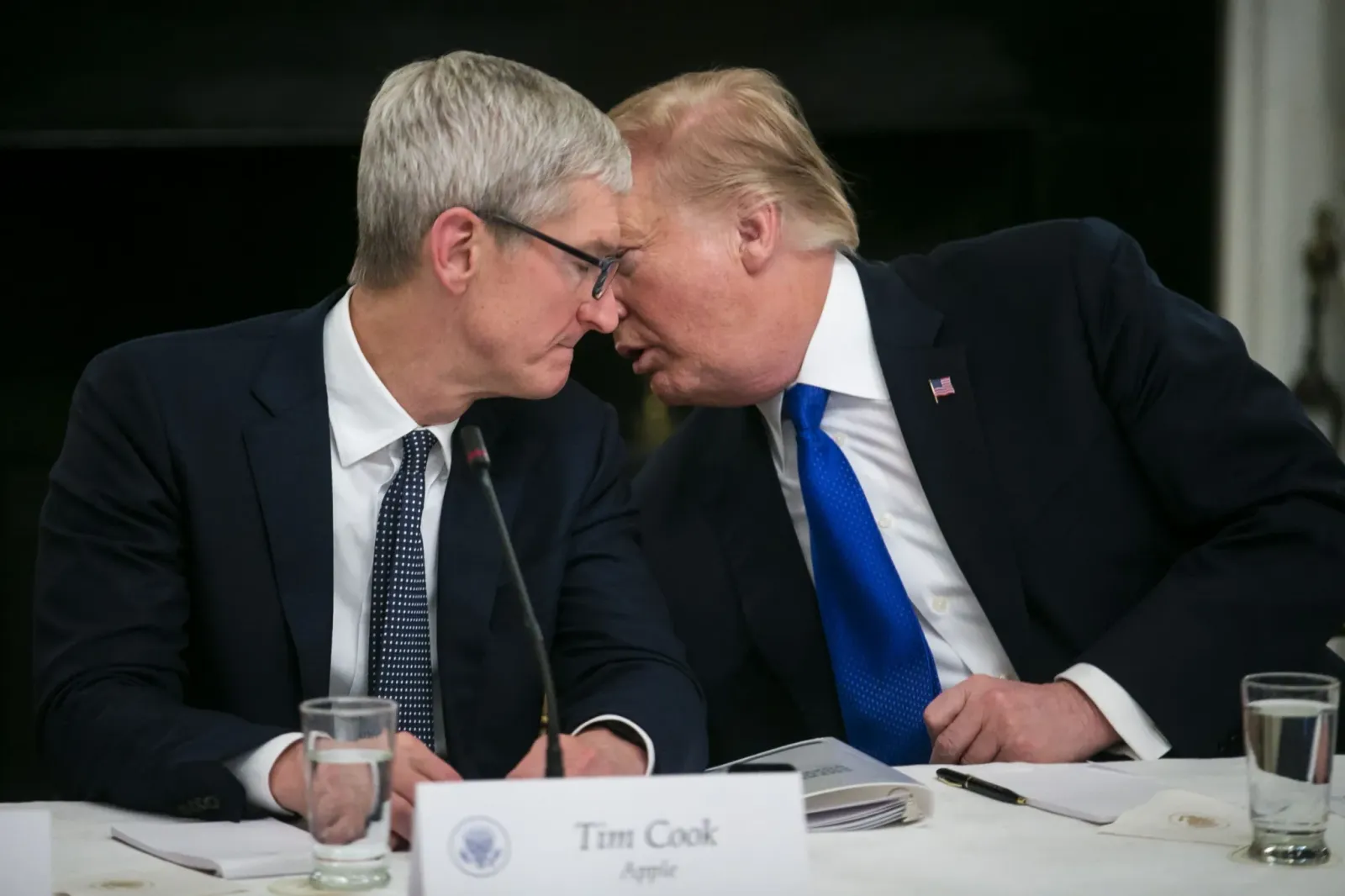
Tim Cook steps down as Apple CEO, stays on as chair with $45M equity
The 'Trump whisperer' keeps his White House and Beijing access as Apple navigates tariffs and a $4.6 trillion market cap.

Snowflake shares surge as AI data demand crushes estimates, lifting full-year forecast
Stocks jumped on stronger-than-expected guidance, signaling enterprise AI workloads are accelerating faster than Wall Street priced in.
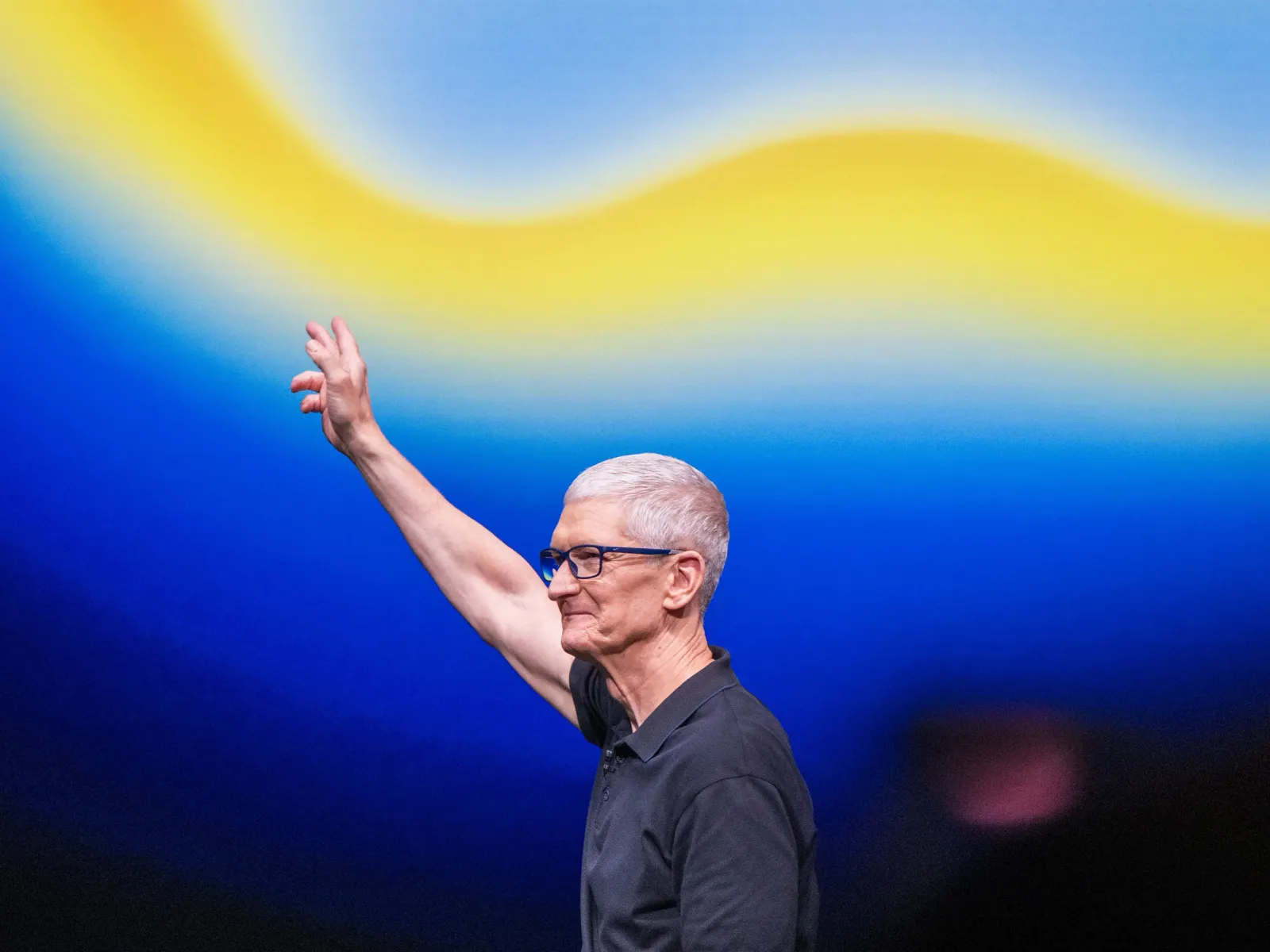
Tim Cook's 15-year Apple CEO run ends: 3 lessons for any successor
After 15 years, Tim Cook hands Apple to John Ternus - here's how he turned a $350B company into a $4.6T juggernaut.