

Wall Street waits as global biotech lists in Hong Kong first
One U.S. biotech chooses Hong Kong for investors and proximity to Chinese pharma partners, reshaping where growth capital starts.
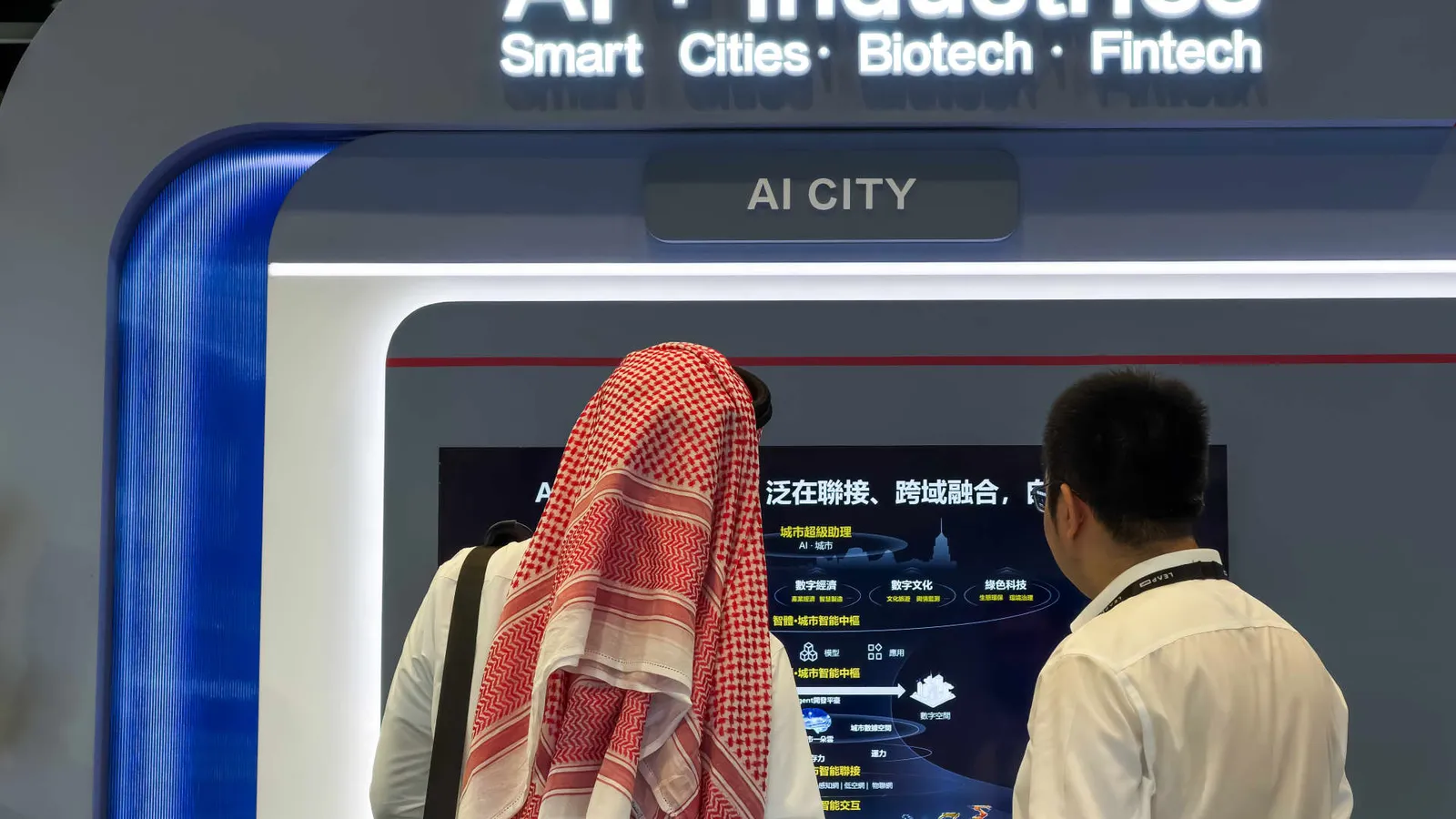
Global biotech firms are increasingly drawn to Hong Kong, attracted by its growing investor base and proximity to Chinese pharmaceutical partners. For U.S. biotechs and their boards, the consequence is a more Asia-first IPO and funding playbook.
Global biotech firms are increasingly being drawn to Hong Kong for a simple, high-stakes reason: the investor base is expanding there, and it puts them closer to Chinese pharmaceutical partners. That is the core shift in this story, and it matters because biotech fundraising is not just about access to money. It is about access to the right money, at the right time, with the right ecosystem around it.
When a U.S. biotech considers where to list, the default mental model is often “fundraising follows the biggest Western markets.” But the momentum described here suggests a different ordering of priorities. Hong Kong is pulling companies in before they necessarily “hit” Wall Street first, because Hong Kong’s capital market depth is growing and because Chinese pharma partners sit much nearer geographically and strategically.
To understand why, zoom out to how biotech capital typically works. Biotech companies often spend years building clinical-stage assets, burning cash long before products generate meaningful revenue. During that window, they rely on capital markets and partnering deals. Those deals are frequently driven by scientific fit, regulatory pathways, manufacturing realities, and commercial readiness. If your growth strategy depends in part on partnering with Chinese pharmaceutical players, being physically and operationally closer to them is not just convenience. It can accelerate conversations, reduce friction, and keep collaboration energy high when timelines are tight.
Hong Kong’s growing investor base plays a parallel role. Investors do not just buy companies. They buy sectors. And sectors do better when there is a steady crowd of buyers who understand the risk profile. For biotech, the risk profile is distinctive. Clinical outcomes are binary-ish. Timelines can slip. Dilution risk is real. That is why investors who already track the space, who can underwrite volatility, and who have familiarity with how biotech milestones translate into valuation can be unusually valuable.
There is also a regulatory and market-structure layer here, even if the source does not get into specific rules. Hong Kong has long positioned itself as a bridge between global capital and Asian growth. When more international biotech firms decide to list there first, it signals confidence in that bridge. It also implies boards believe the local market can support liquidity and valuation discovery for biotech stories, at least well enough to justify starting there.
Now the second-order effect for decision-makers: boards do not like funding plans that require constant explanation. If a company’s narrative, shareholder base, and partner relationships are increasingly anchored in Hong Kong, management teams have to align outreach, investor communications, and capital allocation expectations around that audience. That can change everything from timing of equity raises to how management plans “milestone events.” In practice, the question becomes: are you building a company to be understood by Wall Street first, or by a Hong Kong-centered investor ecosystem first?
For peer companies watching this, the strategic stake is clear. If more global biotech firms list in Hong Kong first, the market’s gravity shifts. That can influence competitive dynamics for partnerships with Chinese pharma partners. It can also affect how quickly capital re-rates biotech risk as clinical data evolves, depending on who is most active in following the sector. Even without knowing any specific company details beyond the trend, the direction is consequential: capital and partnering incentives are aligning around Hong Kong.
There is one more practical implication for executives and boards: listing location is never just a legal decision. It is an operating decision. Investor relations teams, compliance workflows, and even day-to-day market engagement patterns can be shaped by where a company is “home-based” in the minds of investors. If Hong Kong becomes the first stop, management will likely need to build credibility there early, not treat it as a detour before a Wall Street finish.
In short, the move described here is not a random reshuffle. Global biotech firms are increasingly being drawn to Hong Kong because it offers both a growing investor base and proximity to Chinese pharmaceutical partners. For decision-makers, the takeaway is that biotech funding is becoming more regional in its starting points. And once that happens, “where do we list first” stops being a technicality. It becomes a competitive strategy.
This story's Key Insights and Take-aways are locked.
Create a free account to unlock Executive Actions for one credit.
Register to UnlockAlways free for Executives Club members. Join the Club
More in Business

Anthropic’s Levant Alpöge cracks the Jacobian conjecture after 87 years
A Harvard valedictorian used Claude to hit a 1939 breakthrough, but the missing “why” is the real problem.

Uber buys Delivery Hero for nearly $15B, vaulting to top food delivery outside China
The deal doubles Uber's dual-services footprint and pushes a ride-and-eats bundling play into 50 more markets.

Epic and Google drop settlement bid, forcing rival Android app stores by July 22
Google told the court it is ready to carry third-party app stores starting Wednesday, July 22.