
Warner Bros. faces a December rights cliff for Barbie unless talent deals close
A sequel is stuck while Warner Bros. must secure Greta Gerwig, Margot Robbie, and Ryan Gosling before rights revert to Mattel.
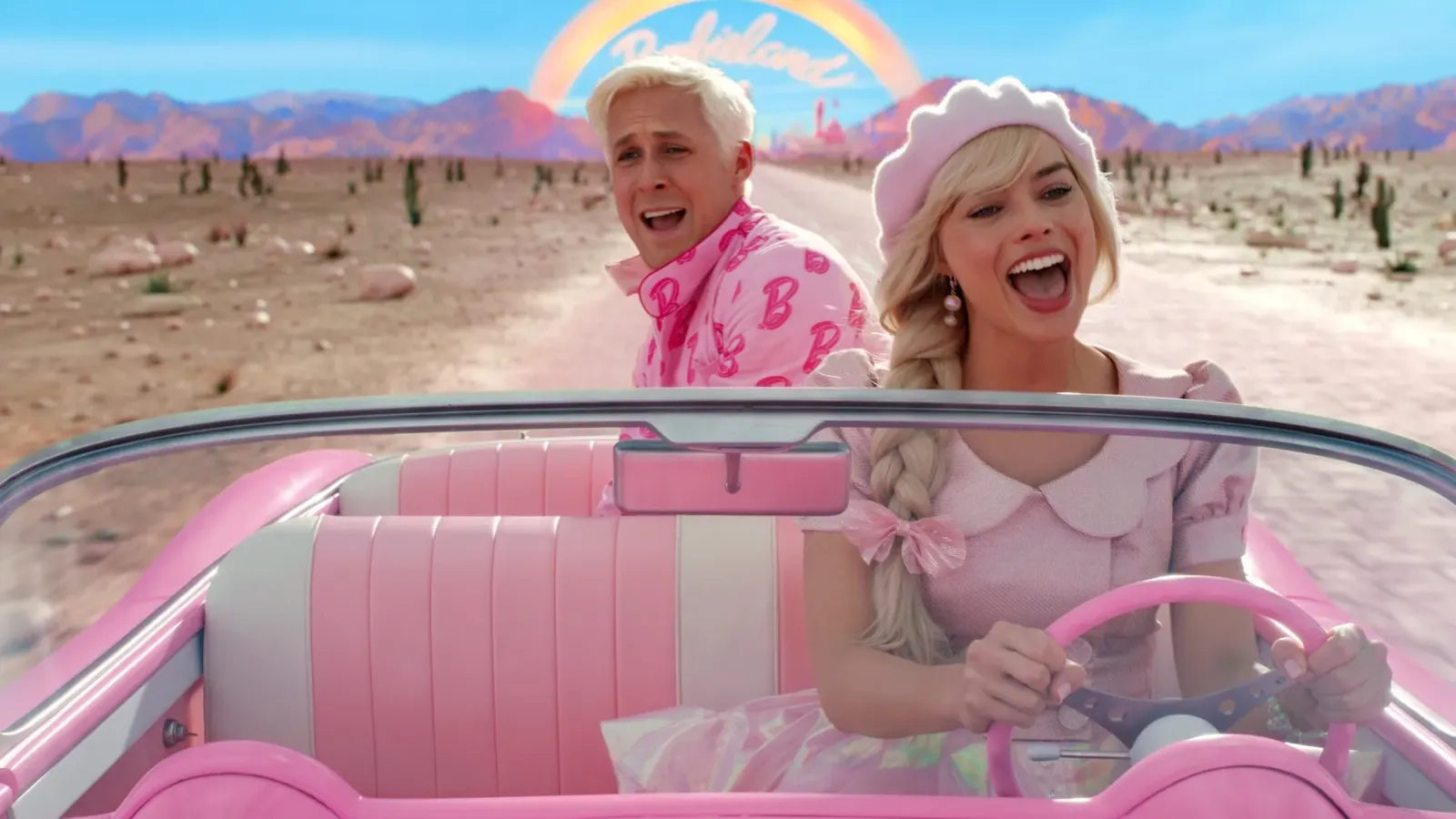
Warner Bros. Discovery is still working to produce a Barbie sequel directed by Greta Gerwig, with starring talent Margot Robbie and Ryan Gosling, despite stalled negotiations. The December deadline matters because the Barbie rights revert to Mattel unless Warner Bros. lands the necessary deals in time.
Come on, Barbie. Let’s go party again, but with a timer running down in the background.
Three years after the Greta Gerwig-directed Barbie hit theaters, Warner Bros. Discovery is still trying to get a sequel off the ground. The issue is not the desire. It is the calendar and the contracts. has a December deadline to secure deals with the film’s key talent, including Gerwig, Margot Robbie, and Ryan Gosling, before the rights to Barbie revert to Mattel.
That “rights revert” phrase sounds boring until you translate it: it is the legal version of losing the keys to a car you are already driving. If Warner Bros. cannot lock in the sequel arrangements before that December point, the ability to move forward with Barbie under the current rights setup flips back to Mattel. In other words, the sequel becomes a negotiating problem with a different counterparty, at a different leverage level, with potentially different terms.
For decision-makers at Warner Bros. Discovery, this is a classic incentive misalignment problem in entertainment. Studios typically want to control timing because timing drives budgeting, marketing campaigns, and slate planning. Talent negotiations, meanwhile, can stall for reasons that are often mundane but deadly for deadlines: scheduling conflicts across projects, renegotiated compensation, creative control discussions, and the basic truth that every major star and director can take meetings with multiple stakeholders. When the rights clock is ticking, the studio is effectively asking for synchronized decisions from multiple parties at once.
The names involved make the stakes feel personal, not theoretical. Greta Gerwig is already attached as the director of the original film, while Margot Robbie and Ryan Gosling were central to the movie’s on-screen pull. The source indicates Warner Bros. Discovery is attempting to secure deals with them as part of the sequel effort. Each name brings its own negotiation power, and each also represents a different risk profile for the sequel. If any one deal slips, the sequel’s momentum can freeze, even if the studio is ready to move.
This is also where board-level and finance-level thinking kicks in. The Barbie brand is not just a film property. It is a cultural and licensing ecosystem, and rights ownership influences how brand extensions can be coordinated. If rights revert to Mattel, Warner Bros. would face a future where Mattel controls the next chapter. That can mean different economics, different packaging of talent, and different sequencing of releases. Even if Warner Bros. eventually reaches an agreement, the path could cost time, increase legal friction, and force the studio to adjust its production planning around a new timetable.
For context, entertainment rights reversion clauses exist for a reason: they prevent indefinite warehousing of valuable IP. Studios cannot simply “keep the movie alive” forever without doing the work. Mattel, as the rights holder, has an incentive to ensure that if the sequel is not progressing to an agreed set of terms, the property can move on. Warner Bros. Discovery is therefore not only negotiating for talent. It is negotiating to avoid a strategic reset.
Second-order implications reach beyond Barbie itself. Other studio executives watching this kind of stalemate learn the same lesson: talent deals and rights deadlines are coupled, and the coupling is not forgiving. If you have a blockbuster franchise anchored by a director and top-tier cast, contract structure becomes part of creative execution. Delays can turn a “wait and see” into a “rights back to the brand owner” scenario that forces new rounds of bargaining.
At an industry level, this kind of cliff also changes how studios think about pipeline risk. Marketing teams plan around releases. Production teams plan around schedules. Finance teams plan around cash flow and expected returns. A December deadline that can flip rights changes the probability distribution for when and how the sequel can realistically launch. The result can be a ripple effect across development priorities, because once you factor in deadline-driven uncertainty, you may need backup strategies.
So what is at stake for decision-makers now? If Warner Bros. Discovery cannot secure deals with Greta Gerwig, Margot Robbie, and Ryan Gosling by December, the Barbie rights revert to Mattel. That is not just a legal technicality. It is a shift in leverage and control that can reshape the sequel’s economics, creative structure, and timeline. And for peers running similar franchise-heavy slates, the underlying warning is clear: in Hollywood, the calendar can be as powerful as any star.
This story's Key Insights and Take-aways are locked.
Create a free account to unlock Executive Actions for one credit.
Register to UnlockAlways free for Executives Club members. Join the Club
More in Entertainment

'It's a Magic Trick': Ballet Experts Say Rosalía's SNL Pose Is Impossible
Three ballet experts tell Rolling Stone Rosalía's gravity-defying SNL stillness shouldn't be possible - and why the debate is now part of the show.

Activision CMO: GTA 6 Will Boost Call of Duty, Not Bury It
Activision's top marketer says Rockstar's blockbuster will drive players back to consoles and into Modern Warfare 4, even as the company admits its recent strategy failed.

Justice to Score GTA 6, Share New Song with Tame Impala, SZA, King Gizzard
Rockstar taps the French duo for the GTA VI score, and the first taste is a genre-melting collab with Tame Impala, SZA, and King Gizzard & The Lizard Wizard.