

Warner finishes recycled-vinyl test with GZ Media, then launches store take-back June 26
WMG says recycled pressings can pass blind listening, with 10% lower emissions, then invites fans to drop off vinyl.
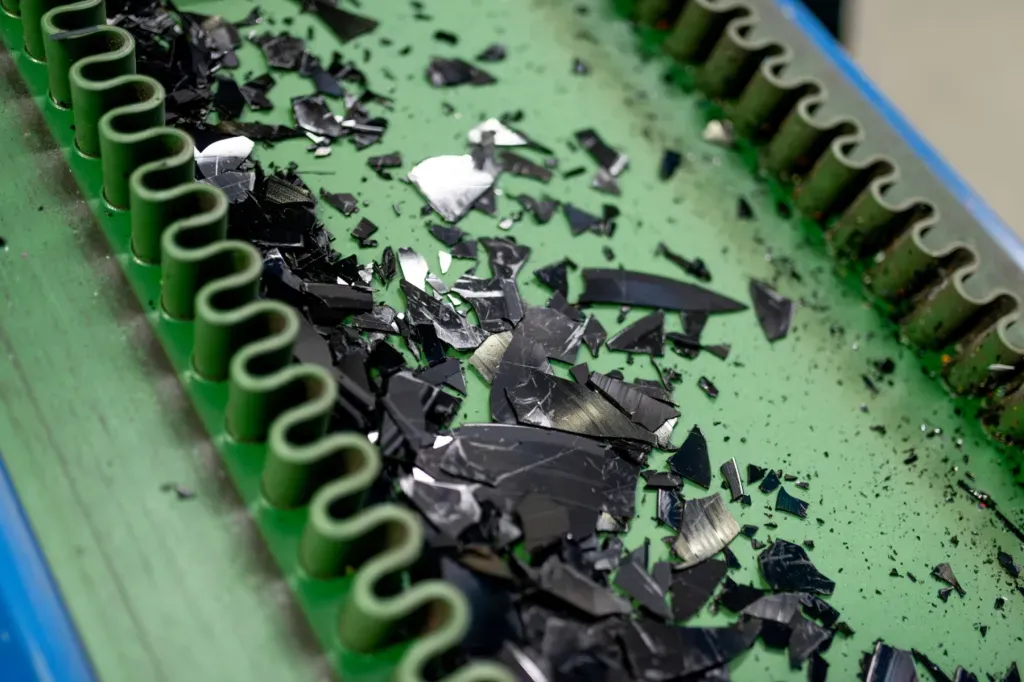
Warner Music Group (WMG) completed a test with GZ Media to shred and reprocess 10,000 unsold records into new vinyl pressings. Starting June 26, WMG rolls out a first-of-its-kind vinyl take-back program through 11 indie retailers to feed a recycling pipeline via Virterras Materials.
Warner Music Group is taking a rare swing at a stubborn industry norm: what happens to all the vinyl that fails to sell. In May, WMG quietly completed a test program with GZ Media, the world’s largest vinyl manufacturer, designed to answer a single question, can recycled vinyl deliver the same sound quality? The result, at least in the test WMG ran, was a clear yes. After shredding 10,000 unsold records collected across artists, titles, and pressing plants throughout Europe, GZ Media repressed them using recyclable material blends ranging from 10% to 100%. Then the project moved from the lab to the ears.
To pressure-test the outcome, WMG brought in a set of industry experts at Abbey Road Studios for a blind listening evaluation. Each recycled vinyl pressing passed the evaluation. Abbey Road’s mastering engineer, Miles Showell, said in a statement to WMG, “What impressed me was how consistent the pressings were across the different material blends, showing that sustainability and sound quality do not have to be at odds.” That matters because the vinyl business is built on trust. Collectors pay for playback fidelity, and labels pay for manufacturing reliability. A recycled-material experiment that sounds worse would be a non-starter. WMG is betting it is not.
The technical quality check is only half the story. The project also measured environmental impact, specifically product carbon footprint (PCF), acknowledging that recycled vinyl processing is not a free lunch. WMG notes that even with added steps like transport, warehousing, sorting, and shredding, carbon emissions still dropped 10% when using recycled polyvinyl chloride (PVC), the material from which vinyl is pressed, compared to fresh materials. In other words, WMG is not claiming zero impact. It is claiming reduced impact, even after the messy logistics of taking unsold discs out of the supply chain.
This is where execs and boards should pay attention. The industry has been dealing with two realities at once: demand for vinyl has been strong, but overproduction creates inventory risk and waste. Vinyl manufacturing also creates a physical footprint that is hard to undo once products are pressed. If recycled pressings can be made without sacrificing quality, labels gain another lever. They can convert some stranded inventory into saleable product instead of disposal. That can change how teams think about forecasting, pressing runs, and how aggressively they chase “just-in-time” production for physical media.
WMG’s push also moves beyond the factory. On Friday, June 26, WMG will double down with a first-of-its-kind vinyl take-back program that asks consumers to help recover unwanted vinyl. The mechanics are straightforward. A group of 11 indie retailers across the country, including Amoeba Hollywood in Los Angeles, Reckless Records in Chicago, and Rough Trade NYC in New York City, will serve as collection locations. The retailers will hand the vinyl over to Virterras Materials, a company that helps recycle “complex waste,” including plastics and rubber.
This is not just a feel-good recycling announcement. The program pilot will run through September, giving WMG a real timeline to track supply, participation, and the practicality of diverting used vinyl into a processing flow. The company is also building a cultural case for the channel, saying independent record stores have long served as gathering places for music fans and stewards of music culture. Madeleine Smith, WMG’s senior director of environmental, social and governance, said in a statement, “[This is] a vital first step in understanding what’s possible.” Her role title is telling. This is being treated as an ESG initiative, but it is operating through something that affects operations directly: where product ends up, and who manages the handoff.
Second-order implications are the part that can quietly reshape strategy. If take-back pipelines prove feasible at scale, labels may be able to treat recycled inputs as a supply stream, not a desperate last resort. That could influence supplier contracts, manufacturing planning, and even how sustainability commitments are operationalized across regions. It also creates a reputational flywheel for retailers and artists, since the program is tied to local collection points rather than distant industrial recycling. For competitors, the bar is immediate: if consumers drop off vinyl at indie stores, rivals will be asked why they are not offering similar options, or why their packaging and production approach is not consistent with a circular narrative.
For peers in similar roles, the stakes are not theoretical. WMG is trying to prove that recycled vinyl can pass blind listening evaluation, that recycling can lower carbon emissions by 10% compared to fresh PVC even after extra processing steps, and that there is a path to recover more materials through a take-back pilot starting June 26. If the test holds and the pilot runs through September with usable results, recycled vinyl stops being an experiment and starts looking like a practical second life for physical media. And in a market where fans notice everything from pressing color to mastering nuance, “it sounds the same” is the kind of credential that gets adopted.
This story's Key Insights and Take-aways are locked.
Create a free account to unlock Executive Actions for one credit.
Register to UnlockAlways free for Executives Club members. Join the Club
More in Entertainment
Russell Brand's accuser 'bewildered and confused' as he denies 7 sex charges
The criminal case against the comedian is a live test of how media companies manage talent risk when serious allegations go public.

'It's a Magic Trick': Ballet Experts Say Rosalía's SNL Pose Is Impossible
Three ballet experts tell Rolling Stone Rosalía's gravity-defying SNL stillness shouldn't be possible - and why the debate is now part of the show.

Activision CMO: GTA 6 Will Boost Call of Duty, Not Bury It
Activision's top marketer says Rockstar's blockbuster will drive players back to consoles and into Modern Warfare 4, even as the company admits its recent strategy failed.