

Waymo’s used robotaxi batteries get a second life on power grids
A new supply deal with B2U could turn worn-out Waymo EV packs into hundreds of megawatt-hours of grid storage in California and Texas.
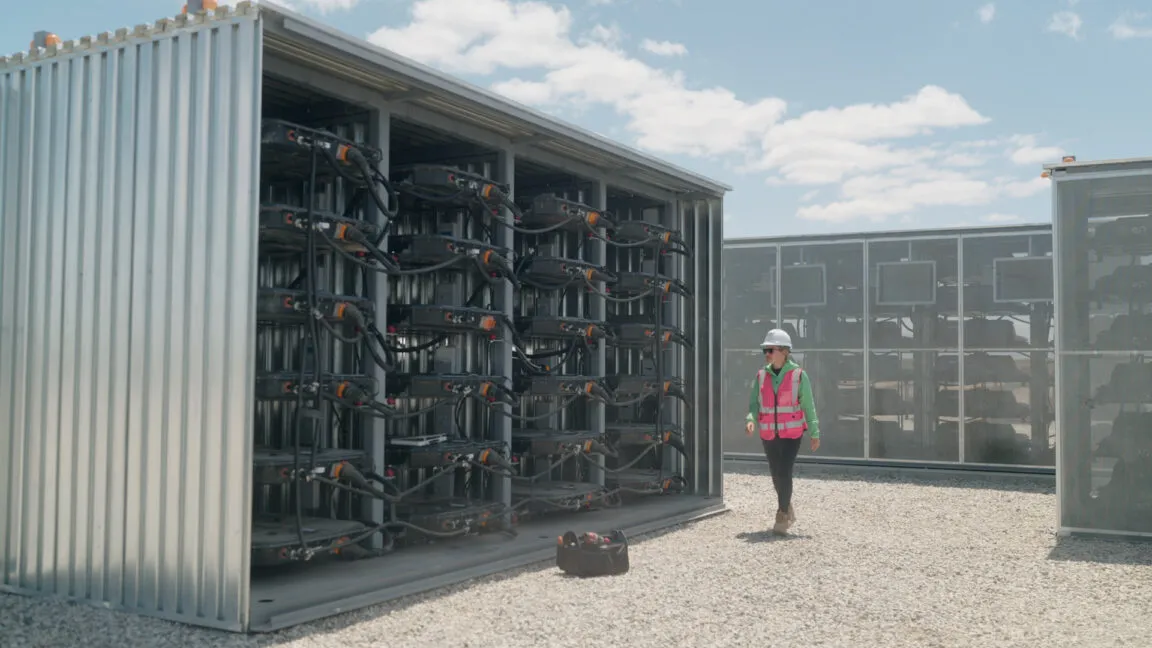
Waymo and B2U Storage Solutions announced a strategic supply agreement on June 4 to route used batteries from Waymo’s autonomous robotaxi fleet into stationary energy storage projects. For operators and investors, the deal shows how fleet economics, battery resale value, and grid demand can line up into a second revenue stream after vehicles leave the road.
Waymo’s used batteries are getting a second act, and it is not in another car. Under a strategic supply agreement announced June 4, batteries that once powered autonomous robotaxis in Waymo’s fleet may instead help provide up to hundreds of megawatt-hours of stationary energy storage for local power grids. That is the basic twist here: packs that are no longer suitable for automotive use can still do useful work in a very different setting, smoothing electricity supply when demand spikes.
The partner on the storage side is B2U Storage Solutions, a company already repurposing thousands of used batteries from various electric vehicles into large stationary energy storage projects. Freeman Hall, CEO of B2U Storage Solution, told Ars that the company’s business is getting “the full residual value out of electric vehicle batteries after they're no longer suitable for automotive use.” He added, “Waymo puts a lot of miles on EVs and their model is expanding rapidly, and so we're just very pleased and honored to be able to work with them.” In plain English, B2U is betting that a battery does not need to be done when a car battery is done, and Waymo’s fleet could become a meaningful feedstock for that idea.
For grid operators and energy buyers, the appeal is straightforward. Stationary energy storage can absorb excess renewable electricity when demand is low and then release that power during peak periods, which helps match supply with consumption. That matters because power grids are under constant pressure to balance intermittent renewable generation with periods of high load. Batteries are one of the most flexible tools for that job, and used EV packs can be cheaper than building storage from brand-new cells if they still have enough life left for stationary service. The source does not give project timelines or capacities by site, but it does point to a concrete destination: California and Texas energy storage projects.
That geographic split is worth noticing. California has long been a major market for grid storage because of its renewable buildout and evening peak demand challenges, while Texas is another state where grid flexibility has become a recurring business issue. The story does not say why these specific projects were chosen, so it would be wrong to guess. But from an industry perspective, any supply pipeline that turns fleet batteries into grid assets is more than a recycling story. It is a business model story. It links vehicle utilization, battery degradation, and residual value to a second market that can monetize hardware after its automotive job is over.
For Waymo, the immediate significance is less about selling batteries and more about what this says about operating a large autonomous fleet over time. Robotaxis put a lot of miles on EVs, and that means the company will generate a steady stream of batteries that eventually age out of road use. If those packs can be diverted into stationary storage, the fleet’s lifetime economics improve in ways that do not show up in a ride-hailing fare alone. That kind of downstream value matters to any company running capital-intensive electric fleets, because the end of one use case may not be the end of the asset’s usefulness.
For B2U, the agreement fits a broader strategy of building stationary storage from repurposed batteries rather than waiting on every cell to be recycled or scrapped. The company says it has already been repurposing thousands of used batteries from various electric vehicles, which suggests the Waymo deal is not a one-off experiment but another supply channel for a model it already understands. That has second-order implications for the battery ecosystem. If more fleets can send retired packs into stationary storage, then the market for used batteries becomes more structured, and the line between transportation hardware and grid infrastructure gets blurrier.
There is also a capital-allocation lesson hiding in the announcement. A battery is a depreciating asset, but not necessarily a dead one after automotive service. That residual-value logic can matter to operators, lenders, and boards evaluating EV-heavy businesses, because it changes how a fleet’s end-of-life economics are modeled. In sectors where utilization is high and battery wear is unavoidable, the ability to recover value outside the original use case can soften replacement costs and create a more durable asset story.
The broader takeaway for peers is simple: the battery market is not just about making better cells, it is about finding more jobs for the ones already in circulation. Waymo and B2U are showing one route from mobility to the grid, and the important part for executives is not the novelty, but the repeatability. If a robotaxi fleet can become a supply source for storage projects in California and Texas, then the rest of the electric-vehicle economy has a new question to answer: what is your battery worth after the road?
This story's Key Insights and Take-aways are locked.
Create a free account to unlock Executive Actions for one credit.
Register to UnlockAlways free for Executives Club members. Join the Club
More in Business

Anthropic’s Levant Alpöge cracks the Jacobian conjecture after 87 years
A Harvard valedictorian used Claude to hit a 1939 breakthrough, but the missing “why” is the real problem.

Uber buys Delivery Hero for nearly $15B, vaulting to top food delivery outside China
The deal doubles Uber's dual-services footprint and pushes a ride-and-eats bundling play into 50 more markets.

Epic and Google drop settlement bid, forcing rival Android app stores by July 22
Google told the court it is ready to carry third-party app stores starting Wednesday, July 22.