

Waymo sets 2027 German robotaxi launch, third market outside the U.S.
The Alphabet-owned robotaxi leader is expanding into Europe, a move that tests cross-border autonomous deployment and pressures rivals to keep pace.
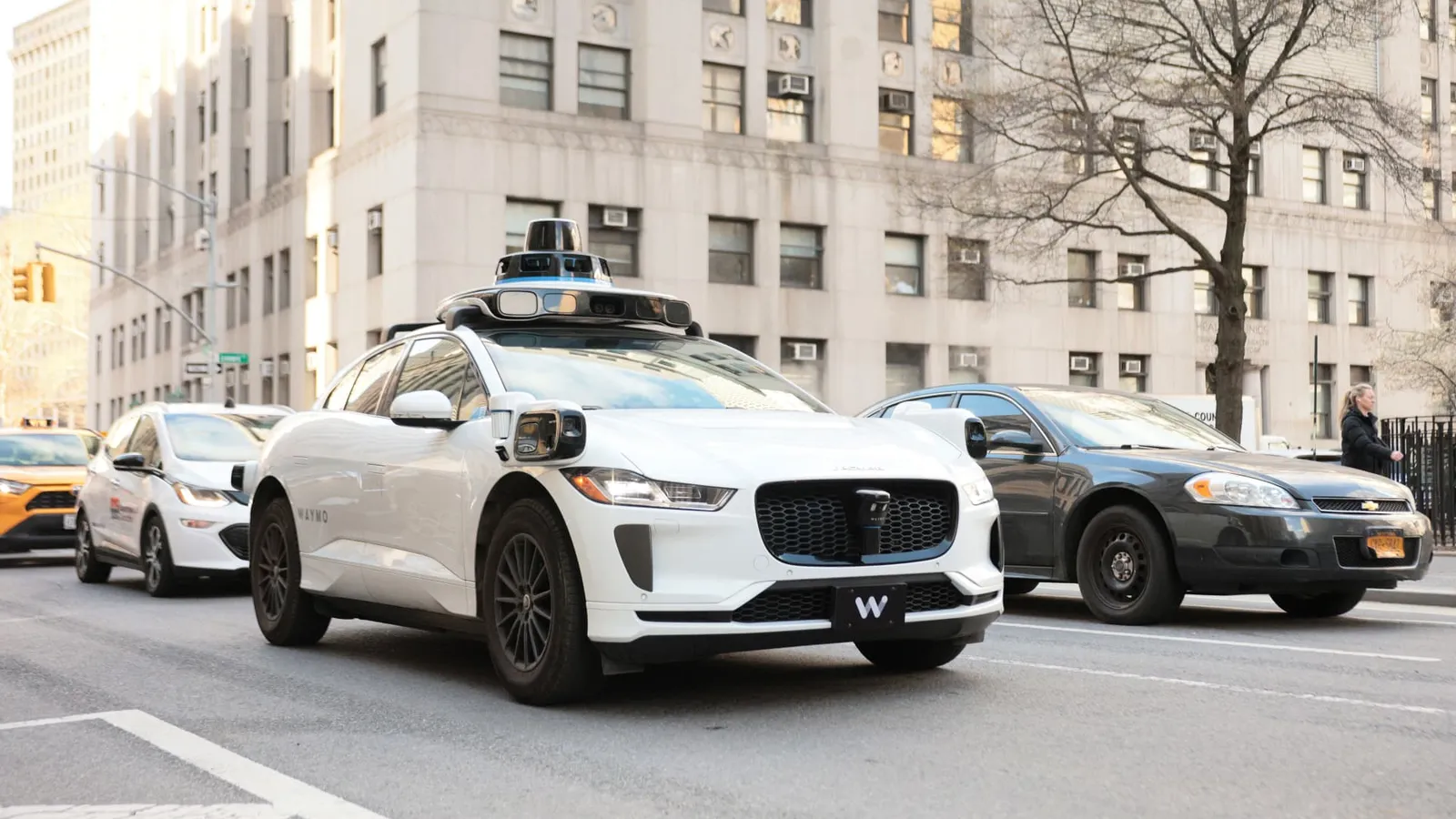
Waymo, the biggest robotaxi player in the U.S., announced plans to launch driverless rides in Germany in 2027, its third international market after the UK and Japan. The expansion forces competitors and regulators to confront the realities of scaling autonomous fleets across borders.
Waymo has announced plans to launch driverless rides in Germany in 2027, making Germany the third international market the company has targeted after previously announcing intentions to enter the UK and Japan. That puts Waymo on track to operate in four countries within a few years, a scale no other robotaxi player has yet matched. For an industry that has spent a decade proving the technology works, this is the moment the metric shifts from miles driven to markets conquered.
Germany is a deliberate and loaded choice. It is the heart of the global automotive industry, home to Volkswagen, BMW, and Mercedes-Benz, all of which have invested heavily in autonomous driving research. It also has one of the more advanced regulatory frameworks for self-driving vehicles in Europe, having passed a law in 2021 that permits autonomous vehicles on public roads under specific conditions. Waymo's entry into Germany is therefore both a commercial bet and a regulatory test - if it can satisfy German authorities, it gains a template for the rest of the European Union.
The announcement comes as Waymo solidifies its dominance in the United States, where it operates commercial robotaxi services in several cities. Being the largest player has given it a data advantage and operational experience that startups and legacy automakers struggle to replicate. But the U.S. market has also been the company's proving ground, not its final frontier. The moves into the UK, Japan, and now Germany signal that Waymo sees international expansion as the next competitive frontier, one where regulators, infrastructure, and cultural attitudes toward driverless cars vary widely.
For rivals like Tesla and Cruise, Waymo's Germany plan raises the stakes. Tesla has promised its own robotaxi service but has not delivered a commercial deployment at Waymo's scale. Cruise, which previously operated in San Francisco, suspended its driverless operations after an incident and has been quieter on global expansion. Waymo's willingness to navigate European bureaucracy - notorious for its complexity - suggests it has the patience and capital to play the long game, backed by Alphabet's deep pockets.
The regulatory dimension cannot be overstated. Germany's 2021 law allows vehicles with Level 4 autonomy - meaning the car can drive itself under certain conditions - to operate without a human behind the wheel. But the law requires strict technical oversight, data collection, and safety reporting. Waymo will need to adapt its vehicles and operations to meet local standards, including how it handles liability, cybersecurity, and interaction with pedestrians and cyclists in dense European cities. Success here could make Germany a launchpad for the rest of the continent, while any stumble could set back the broader narrative of autonomous ride-hailing in Europe.
Strategically, Waymo's timing is sharp. The global robotaxi market is expected to grow sharply over the next decade, and first movers who establish a trusted brand in multiple countries will be hard to unseat. Germany's dense urban centers, strong public transit, and high car ownership rates present a mixed picture - people may be less inclined to hail a driverless car if trains are efficient, but the convenience and price point of robotaxis could still win over riders. Waymo's challenge will be to integrate with existing mobility ecosystems rather than disrupt them, likely partnering with local players for maintenance, charging, and fleet operations.
For boards and executives across the automotive and mobility sectors, this move is a wake-up call. The barriers to entry for autonomous ride-hailing are falling, and the window to establish a global foothold is narrowing. Companies that wait for domestic markets to mature risk watching Waymo define the standards - operational, regulatory, and cultural - that everyone else will have to follow. The question is no longer whether driverless rides will become normal, but who will own the roads when they do.
This story's Key Insights and Take-aways are locked.
Create a free account to unlock Executive Actions for one credit.
Register to UnlockAlways free for Executives Club members. Join the Club
More in Technology

doubleAI's Maxwell rewrites code while it runs, claims 38x speedups
The Tel Aviv startup's code execution model formally verifies optimizations, turning AI into an agent for the hardware itself.
Saudi military official paid to fly OpenAI bugging suspect's family out, prosecutors say
A court filing says a Saudi military official funded the family's exit and Riyadh offered bail, putting foreign-influence risk squarely on AI boards.

AI researcher's 26,000-word claim: Neural nets aren't tangled after all
Nick Cammarata's Goodfire post has the AI world split - if he's right, monitoring frontier models just got a lot easier.