

Weird Al Yankovic turned down an AI ad, saying he wouldn’t be “the poster boy.”
The comedian backed out a week before shooting, adding fuel to Hollywood's fast-moving debate over AI deepfakes and consent.
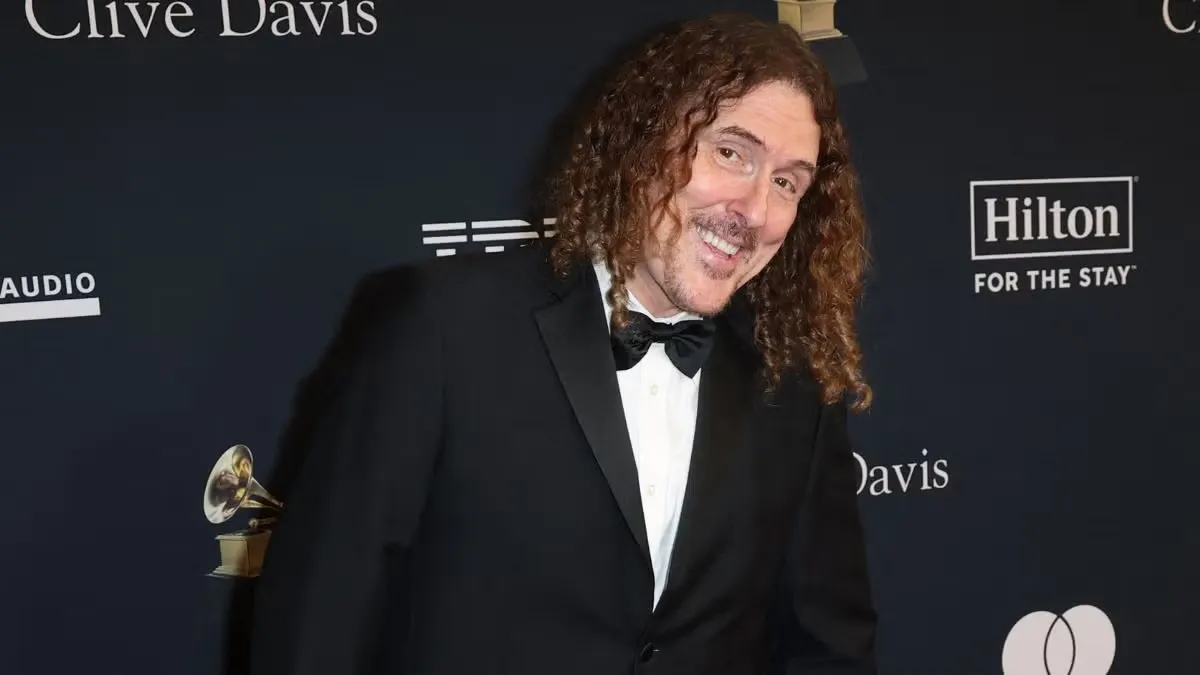
Weird Al Yankovic told Syracuse.com that he turned down a “nice pile of money” offer for a commercial because it was for AI and he refused to be “the poster boy.” The decision lands amid escalating industry pressure on AI-generated deepfakes, including SAG-AFTRA’s NO FAKES Act push.
Weird Al Yankovic said he turned down “a nice pile of money” to appear in an AI ad, because he didn’t want to be “the poster boy” for the technology. During an interview with Syracuse.com on Monday, the parody musician explained that he initially considered a commercial tied to “business software that would increase productivity,” then pulled out a week before the scheduled shoot once he learned it was specifically for AI.
That sequence matters, and it also tells you a lot about how the celebrity endorsement machine is getting re-wired by AI. Yankovic recalled being offered the commercial “before the tour,” without naming names, and accepting the idea in the moment. Then, after he learned the ad was AI-related, he changed course at the last possible time: he said he felt he “couldn’t be the poster boy for AI” and withdrew “a week before [they were] supposed to shoot.” He added, “So I felt bad about kind of pulling out at the last minute. But yeah, I’m not, I’m not down with that.”
For executives, the headline here is not just that a celebrity said no. It is that the refusal happened after the money was on the table and right up against production, which signals how much reputational risk and principle collide in real time. Celebrity deals used to be driven mostly by brand fit and campaign economics. Now they are also being stress-tested by audience sensitivity to AI, especially around authenticity and the misuse of voices and likeness.
The background is fast-moving. Yankovic is not the first figure in entertainment to publicly push back on AI in recent months. SAG-AFTRA, the actors union, has been leading a high-profile campaign against AI-generated deepfakes and even endorsed the NO FAKES Act back in June. In related reporting, SAG-AFTRA issued an open letter featuring 16,000 signatures calling for Congress to pass the NO FAKES Act, described as a bill intended to counter the wave of AI-generated deepfakes online.
SAG-AFTRA’s messaging frames the issue as more than tech discomfort. The source notes that SAG-AFTRA president Sean Astin said at the time, “Unchecked AI can ruin lives,” and that “Americans are demanding that the Federal Government take sensible action.” He added that the NO FAKES Act would “establish a fundamental protection to control their own voice and likeness.” That language is important for decision-makers because it points to where the legal and political pressure is heading: consent and control over identity assets, not just whether AI is “useful” in abstract.
Other well-known critics of AI have echoed the call for stronger protections. The source specifically mentions actors Scarlett Johansson and Joseph Gordon-Levitt, who have been vocal critics, publicly speaking out and demanding better protections. In other words, the pushback is not confined to one person, one union, or one corner of Hollywood. It is becoming a broader coalition of cultural power.
At the same time, this isn’t a unified front across the industry. The source also highlights that not everyone is pushing back on artificial intelligence. Reese Witherspoon encouraged women to learn AI tools, and Sandra Bullock said it was time to “lean into” the technology. That split matters for brands, agencies, and boards because it suggests the market for AI-adjacent marketing is not monolithic. Some audiences want guardrails. Others want adoption. The same technology can look like innovation to one group and like a threat to identity to another.
Zooming out, Yankovic’s choice illustrates an endorsement dilemma that is likely to spread beyond celebrity ads into product marketing, voice cloning tools, and any “AI productivity” narrative. A celebrity does not just represent a campaign. They can become a symbol, for better or worse, of how a company is handling identity, consent, and transparency. If unions and lawmakers are pushing for legal protections around voice and likeness, then companies that want mainstream partnerships should expect reputational due diligence to become as important as legal review. The risk is not only backlash. It is being positioned as “the poster boy” for a category the public may associate with misuse.
For executives in adjacent industries, the takeaway is clear: AI has moved from lab curiosity to cultural flashpoint. The story is already playing out in public, with stars drawing hard lines and unions seeking federal action. Companies that move too fast without aligning incentives, messaging, and consent frameworks may find deals unraveling late, the way Yankovic described pulling out just a week before shooting. Meanwhile, companies that get ahead of the concerns can build trust and avoid being the company fans think is trying to monetize identity without permission. In a world where a “nice pile of money” can still lose a “not down with that” moment, the real competitive advantage is not just capability. It is social and legal legitimacy.
This story's Key Insights and Take-aways are locked.
Create a free account to unlock Executive Actions for one credit.
Register to UnlockAlways free for Executives Club members. Join the Club
More in Entertainment

Russell Brand's accuser 'bewildered and confused' as he denies 7 sex charges
The criminal case against the comedian is a live test of how media companies manage talent risk when serious allegations go public.

'It's a Magic Trick': Ballet Experts Say Rosalía's SNL Pose Is Impossible
Three ballet experts tell Rolling Stone Rosalía's gravity-defying SNL stillness shouldn't be possible - and why the debate is now part of the show.

Activision CMO: GTA 6 Will Boost Call of Duty, Not Bury It
Activision's top marketer says Rockstar's blockbuster will drive players back to consoles and into Modern Warfare 4, even as the company admits its recent strategy failed.