

Welsh "Bogfather" scientist restores peatlands to cut climate pollution
A peatland restoration push shows how bog management can translate childhood science into measurable climate impact.
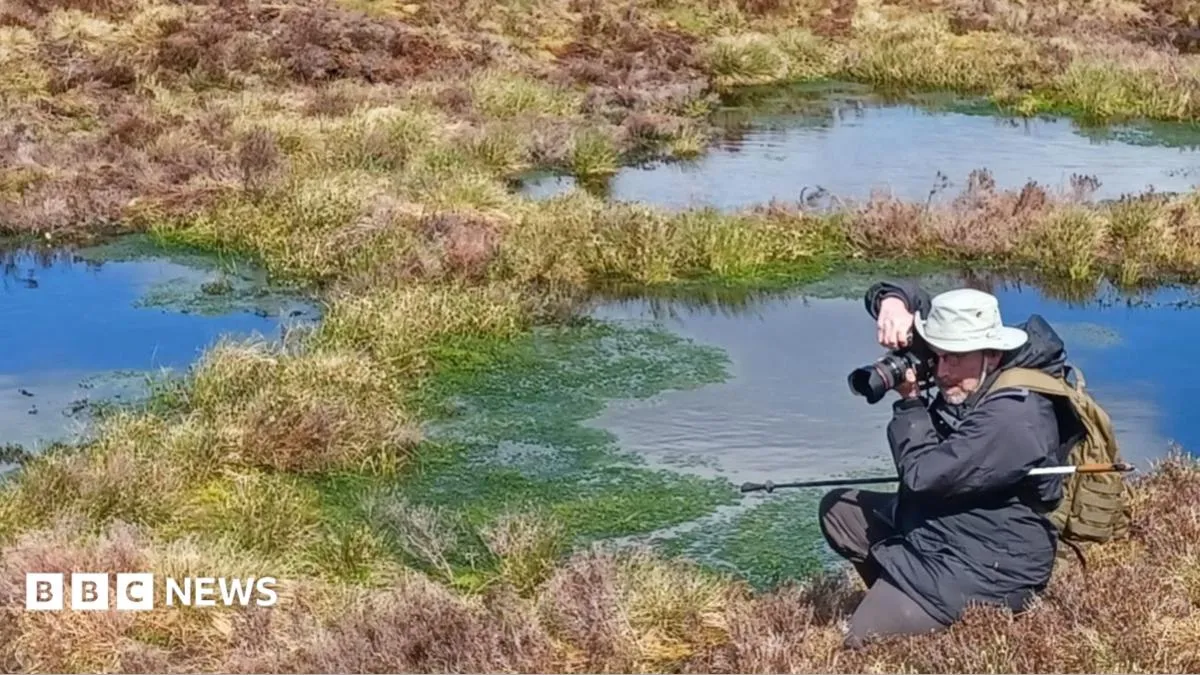
A Welsh scientist nicknamed “The Bogfather” is restoring peatland as part of efforts to help fight climate change. For decision-makers, peat restoration is a climate lever with operational, regulatory, and reputational implications for land and emissions strategies.
A Welsh scientist known as “The Bogfather” is restoring peatland to help fight climate change, turning a childhood fascination with bogs into a real-world climate project. That nickname is doing work here. It signals a focus, and it also hints at what makes peat special: bogs are not just scenery, they are active systems that store carbon.
The core premise in the story is simple and important: one scientist’s long-running curiosity about bogs has matured into a restoration effort aimed at saving the planet. The BBC piece frames it as the transformation of a personal obsession into action for climate. And for executives, that matters because peatland work sits at the intersection of environment, land management, and emissions accounting. It is not a slogan. It is a set of interventions on an ecosystem.
To understand why “peatland restoration” is such a big deal, you have to know what peatlands are supposed to do. Peatlands are wetlands where partially decayed plant material accumulates over time. When they are healthy, they can act as long-term carbon stores. When they are degraded, that storage can weaken and emissions can rise. Restoration aims to reverse the damage by returning key conditions, which typically includes protecting hydrology, reducing disturbance, and allowing the peat ecosystem to recover. The story does not get lost in technicalities, but the stakes are inherently scientific and operational: if the system is brought back toward healthy function, the climate benefit is the point.
Now zoom out from one scientist to the broader incentive landscape. In the last few years, companies have faced increasing pressure to show climate progress beyond vague commitments. That pressure shows up in how boards monitor climate risk, how CFOs think about compliance and reporting, and how sustainability teams choose initiatives that are more than marketing. Peatland restoration is attractive in that context because it is rooted in physical reality. It is an on-the-ground intervention that can be tracked through ecosystem outcomes rather than only pledges.
There is also a governance angle. Restoration projects involve land use and often cross multiple stakeholders: landowners, conservation bodies, local communities, and public agencies. Executives who oversee supply chains, facilities, or investment portfolios need to recognize that ecosystem projects are rarely plug-and-play. They can require long time horizons and careful coordination, since ecological recovery is not instantaneous. Boards tend to ask a very practical question when they hear about nature-based solutions: “What is the timeline, what is the risk of not delivering, and what evidence supports the climate claim?” This BBC story spotlights an individual doing the work, but it implicitly raises the same governance questions any organization would face if it backed similar efforts.
Regulation is the other big lever in the background of this kind of work. Climate policy in many regions has pushed attention toward land-based emissions and carbon storage. That includes how wetlands and other ecosystems are treated in policy frameworks and carbon accounting approaches. While the BBC piece focuses on the scientist and the restoration mission, executives should take note of where this is heading: more scrutiny, more requirements for credible measurement, and more demand for projects that can withstand questions about durability and effectiveness.
Second-order implications can show up fast, even if the story is personal. If “The Bogfather” is effectively restoring peatlands, the model becomes visible. That can attract funding, partnerships, and replication efforts, which increases competition for project access and program slots. It can also raise expectations among stakeholders who want quick answers about environmental outcomes. For companies, the strategic risk is either doing too little too late, or backing the wrong kind of project that cannot deliver under scrutiny. The opportunity is to align climate strategy with credible ecosystem action that offers a path to measurable impact.
So what should executives take from this BBC story? At minimum, it is a reminder that climate action is not only about new hardware or new app features. Sometimes it is about restoring the systems that already hold value, and doing it with patience. The “Bogfather” label may sound like folklore, but the mission is grounded in a straightforward logic: restore peatland, support climate goals, and turn curiosity into outcomes. For decision-makers building climate roadmaps, that logic is increasingly part of the mainstream toolkit, and the boardroom question becomes whether they are ready for it.
This story's Key Insights and Take-aways are locked.
Create a free account to unlock Executive Actions for one credit.
Register to UnlockAlways free for Executives Club members. Join the Club
More in Science

Alaska's 1,580-foot tsunami had warning signs. Scientists just found them.
Rapid glacier retreat, heavy rainfall, and thousands of tiny tremors preceded Alaska's 1,580-foot tsunami, a warning for every coastal community in a warming world.

The rare mutation that lets high-risk brains dodge Alzheimer's
Scientists found a natural defense against protein buildup, opening a new path to preventive treatments.

3,000 steps a day may halve Alzheimer's decline, study finds
New research links a modest daily walk to less tau buildup and nearly half the cognitive and functional decline, even for those with early signs.