

White House orders Anthropic to cut SK Telecom access to Claude Mythos days before shutdown
The access revocation raises the stakes for telcos, model makers, and regulators as the White House pushes harder on alleged China ties.
The White House ordered Anthropic to revoke SK Telecom's access to Claude Mythos days before Anthropic took its most advanced AI models offline. For decision-makers, the move signals a regulatory lever that can change who gets to deploy frontier AI, and when.
Days before Anthropic took its most advanced AI models offline, the White House ordered the company to revoke SK Telecom’s access to Claude Mythos over claims of alleged ties to China. In other words, a regulatory directive showed up not as a slow compliance project, but as a deadline with real operational consequences. The timing matters because it lands right in the narrow window when frontier model providers and their distribution partners are deciding what to ship, what to throttle, and what to turn off.
This is the core of the controversy WIRED describes: Anthropic’s access change for SK Telecom, ordered by the White House, came over allegations of China-linked ties connected to Claude Mythos. Then, critically, the offline event followed shortly after. For executives, that sequence is a warning about how external pressure can force internal pivots. It is not just about policy statements or legal risk. It is about which partner gets to keep building with the model and which one suddenly gets locked out.
To understand why this is such a big deal, zoom out to how frontier AI deployment typically works. Companies like Anthropic do not just “launch a model,” they find distribution paths, negotiate integrations, and often rely on strategic partners to scale usage across enterprise channels. Telcos are a particularly tempting bridge because they sit in the infrastructure layer. They can bundle AI capabilities into customer offerings, connect ecosystems, and distribute services broadly. But that same gatekeeper role is exactly why regulators and national security teams pay attention. When access to a powerful model is distributed through a telecom carrier, regulators see a direct route between a frontier AI system and large-scale user bases.
Now add the regulatory framing. The White House order is explicitly tied to “alleged ties to China.” Even when the factual dispute is unresolved or framed as allegations, the decision-maker at the receiving end still has to comply. That creates a compliance posture where legal uncertainty can turn into business certainty: if an order arrives, access gets revoked, even if the underlying claims are being debated elsewhere. This is how regulatory power becomes a forcing function. It compresses timelines, increases friction for partnerships, and makes governance and vetting part of the product roadmap.
There is also a governance lesson here for boards and executives inside model providers. Anthropic taking its most advanced AI models offline shortly after the access revocation suggests that the company was operating under a heightened state of risk management. When regulators raise concerns tied to geopolitical exposure, the operational response can become sweeping. It may include changes in who can access particular systems, what features are available, and how deployments are staged. Even if a company wants to proceed, compliance obligations and safety considerations can dictate the pace.
For SK Telecom and other telecoms in similar positions, the second-order effect is straightforward: partner selection is no longer only about technical capability and commercial revenue. It becomes about political and regulatory survivability, especially when frontier models are at stake. Telecoms that integrate with AI providers may find themselves pulled into due diligence that goes beyond cybersecurity. They may need to demonstrate governance, data handling, supply chain integrity, and ownership or affiliation structures that regulators consider sensitive. The risk is not theoretical. In this case, the response is immediate and measurable: revocation of access to Claude Mythos ordered by the White House.
For the broader ecosystem, the stakes extend to competitors, investors, and enterprise customers. If frontier model access can be curtailed due to alleged geopolitical ties, then deployment plans that assume stable partner access become brittle. Enterprise customers who expect AI capabilities packaged through telecom or other channel partners could face sudden changes in availability. Meanwhile, model providers may tighten contractual controls, expand compliance monitoring, and prioritize partners who can clear regulatory scrutiny quickly.
Put bluntly, this moment is a stress test for the entire “frontier AI + telecom distribution” model. The White House ordered Anthropic to revoke SK Telecom’s access to Claude Mythos days before Anthropic took its most advanced AI models offline. That sequence suggests regulators can directly reshape the commercial map, not just the headlines. Executives building in this space should treat compliance readiness, partner vetting, and deployment contingency planning as operational priorities, because the next disruption may not announce itself in advance.
This story's Key Insights and Take-aways are locked.
Create a free account to unlock Executive Actions for one credit.
Register to UnlockAlways free for Executives Club members. Join the Club
More in Technology

Nvidia's $89B data center quarter: the 9 companies cashing in
The AI buildout is minting fortunes beyond GPUs, and memory, cloud, and cooling suppliers are riding the same wave.
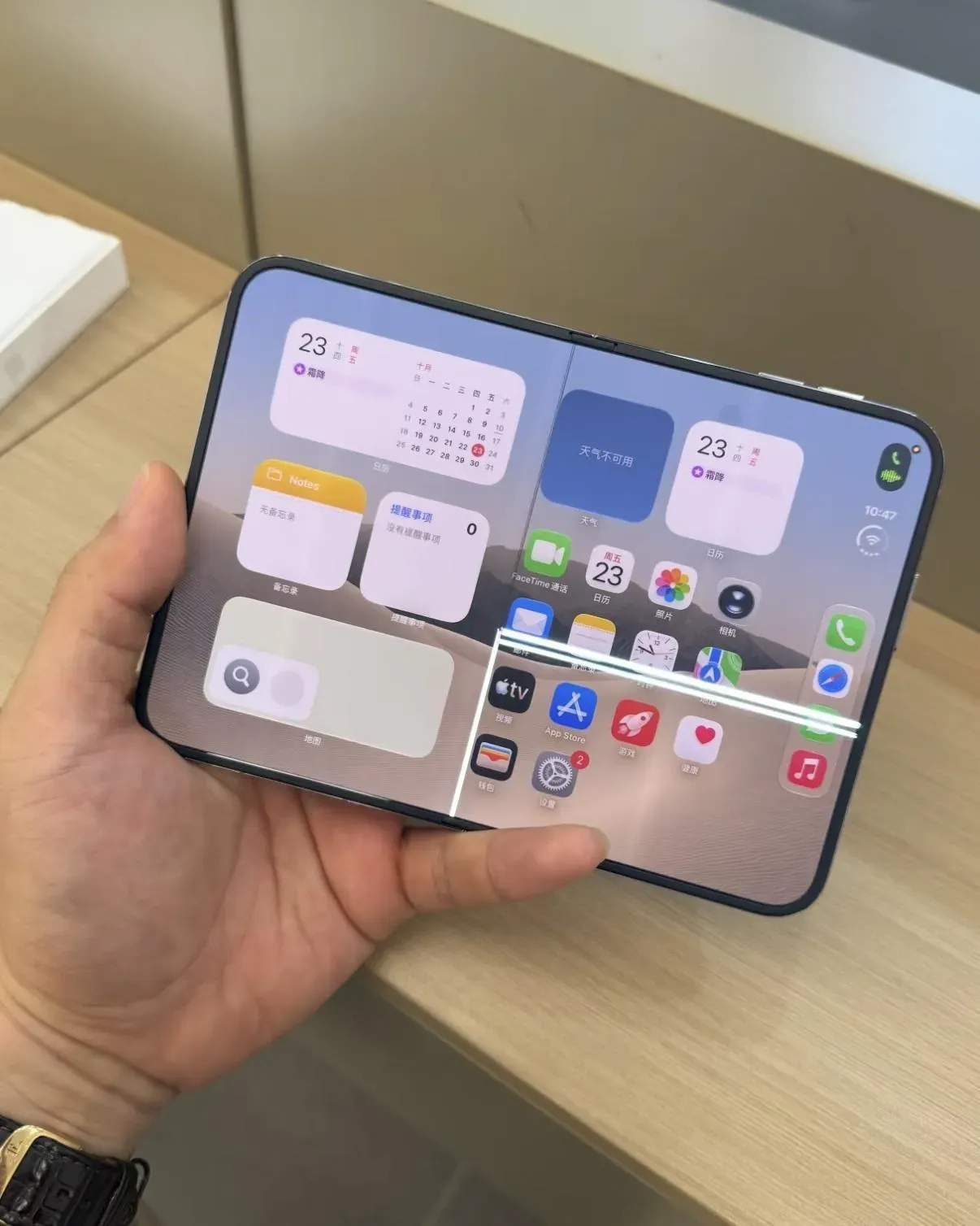
A YouTuber dissected the iPhone Duo and thinks he found crackgate's cause
CuriousHagi's teardown of Apple's foldable reveals a gear-like hinge that may explain why screens crack in the same spot within hours.

Google quietly links your phone number to every Android account on your SIM
Adding a SIM now ties your phone number to all Google accounts - and future accounts inherit it. Here's the security and privacy stakes.