
White House pivots from Supreme Court reversal to forced-labor tariffs under another law
The switch leaves markets and policymakers debating human-rights proof, legal authority, and trade spillovers.
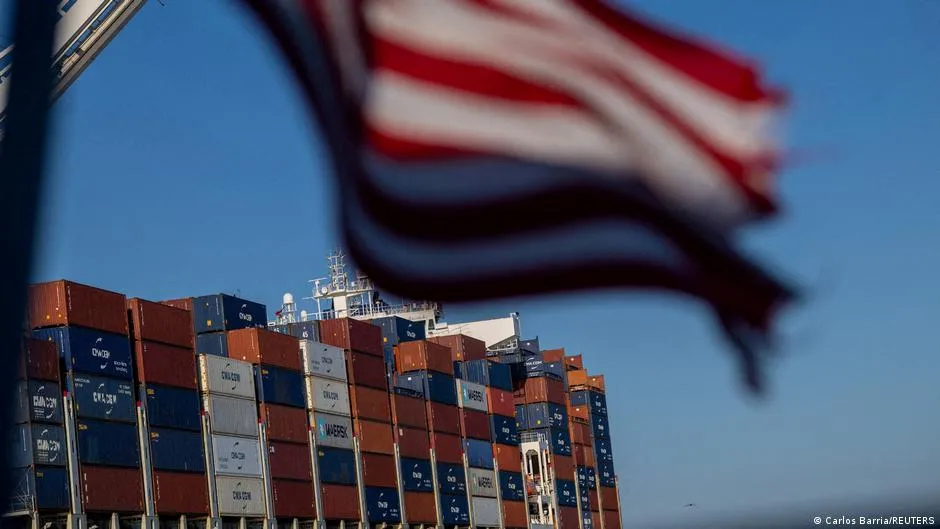
After the US Supreme Court struck down Donald Trump's emergency tariffs, the White House moved to tariffs tied to another trade law linked to alleged human rights abuses. For decision-makers, the change raises new uncertainty about compliance, enforcement, and costs in global supply chains.
The US Supreme Court struck down Donald Trump's emergency tariffs, and the White House is not walking away from the fight. Instead, it has pivoted to a different trade law tied to alleged human rights abuses, specifically framed around “forced labor.” That legal and political handoff is exactly why the international community, including many in markets and policy circles, is left puzzled: the mechanism changes, but the pressure on trade and import flows does not.
In practical terms, the White House is turning to another statutory path after the emergency route was blocked. The Supreme Court action matters because it signals that the original emergency tariffs were legally vulnerable. When an administration then switches to a related but distinct legal authority, observers immediately ask a very basic executive question: will this new justification survive scrutiny, and what will it mean for the downstream cost structure of companies that depend on cross-border manufacturing?
To understand why this leaves the world “puzzled,” it helps to zoom out on how US tariff authority works. Different trade laws can be triggered for different reasons, and they come with different burdens of proof, different procedural steps, and different scopes. Emergency measures often move fast, which can be useful for policymakers trying to respond to urgent geopolitical or economic goals. But speed can also collide with legal requirements. When courts step in and narrow executive power, the administration’s incentives shift toward finding a route that is both politically effective and legally defensible.
That is where the forced-labor framing enters the story. The new tariffs are linked to alleged human rights abuses, and that shifts the debate from purely economic leverage to an ethical and regulatory compliance story. For companies, that matters because trade decisions stop being only about price, geography, and currency. They become about documentation, sourcing, audits, and the chain of custody of goods. Even if a company believes it is not implicated, it can still face tariff exposure if supply chain risk, supplier declarations, or verification processes fall short.
The controversy also has a board-level dimension. When the legal basis for tariffs changes, risk models have to be redone quickly. Procurement teams may need to renegotiate supplier terms. Legal and compliance groups may need to interpret new requirements or enforcement priorities. Finance leaders may need to revisit assumptions around landed cost, pricing power, and margin resilience. All of that is disruptive in normal times. It is more disruptive when the initial shock came from the Supreme Court, which already demonstrated that trade policy can be overturned.
Meanwhile, the international reaction is not just about legal technicalities. Trade partners and affected industries frequently read tariff escalations as negotiating signals. But when the justification is human-rights related, the politics can become more complicated. Human rights claims are not something observers take lightly, yet policymakers also need evidence, definitions, and consistent application. That tension is at the center of the debate highlighted here: how to reconcile legitimate concerns about abuses with a tariff system that can move fast and impose real costs on global businesses.
There is also the second-order implication for other executives: tariff uncertainty can cascade into investment decisions. If firms expect tariffs to shift again due to court challenges, they may delay long-term capital spending, rethink facility footprints, or adjust inventory planning. If firms expect compliance requirements to tighten around labor practices, they may invest more heavily in traceability systems and supplier development. These are real budget items, and they require time. When trade policy changes repeatedly, the time pressure becomes the hidden cost.
For decision-makers in companies that import, the stakes are clear. Even without adding any new facts beyond the source, the arc is obvious: a court blocks an emergency tariff approach, then the White House moves to a different law tied to forced labor. That means global supply chain planning cannot treat tariffs as a stable variable. It has to treat them as an evolving legal and enforcement bet, one that can change after litigation, with consequences for pricing, procurement, and compliance strategies across industries.
This story's Key Insights and Take-aways are locked.
Create a free account to unlock Executive Actions for one credit.
Register to UnlockAlways free for Executives Club members. Join the Club
More in Politics
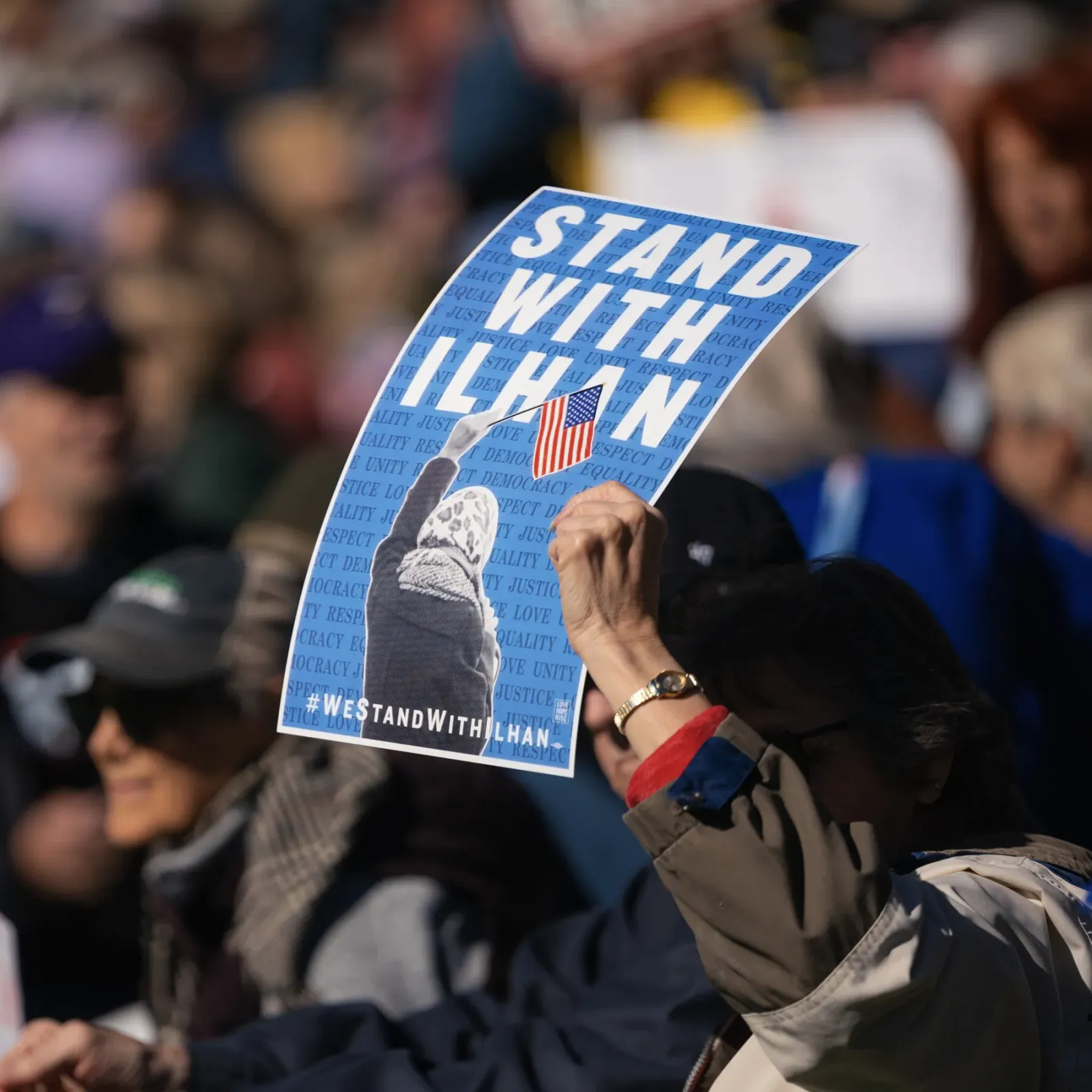
Obama Defends Ilhan Omar After Agents Search Her Home in Trump Inquiry
The former president's intervention raises the stakes in a federal probe into immigration paperwork that has put a prominent progressive lawmaker in the crosshairs.

Blair-era minister: cut welfare to fund youth job support
Alan Milburn's call for welfare cuts to fund employment support opens a Labour fight over benefits and the Neet crisis.
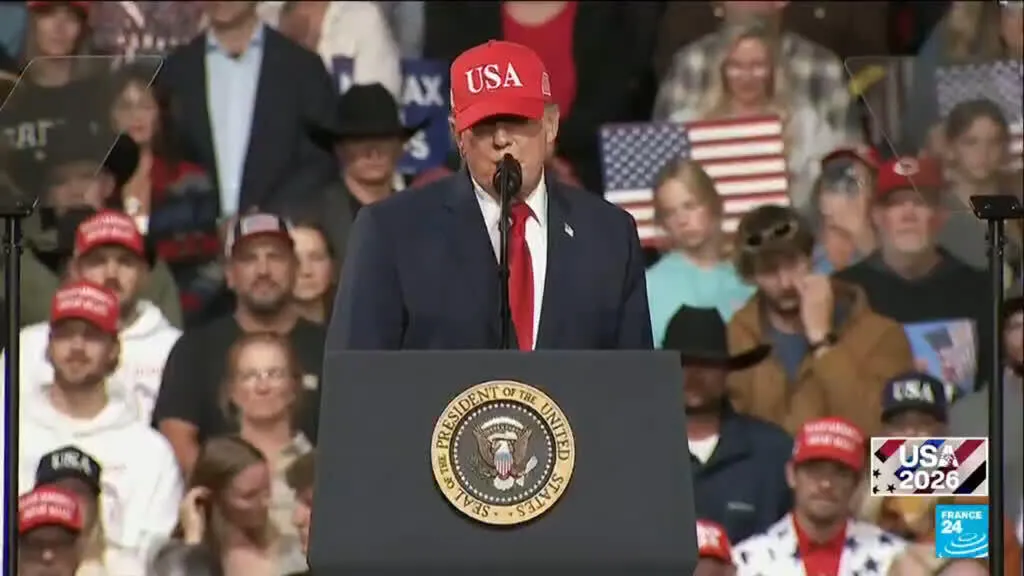
Hot September CPI: energy costs surge, voters feel the squeeze before midterms
The latest inflation print lands as Trump campaigns for GOP control of Congress, putting cost-of-living worries at the center of the midterm fight.