

Whitmer endorses Haley Stevens in Michigan’s Aug. 4 Senate primary, sharpening the party split
The governor’s backing puts added heat on the moderate-vs-progressive contest to replace retiring Sen. Gary Peters.
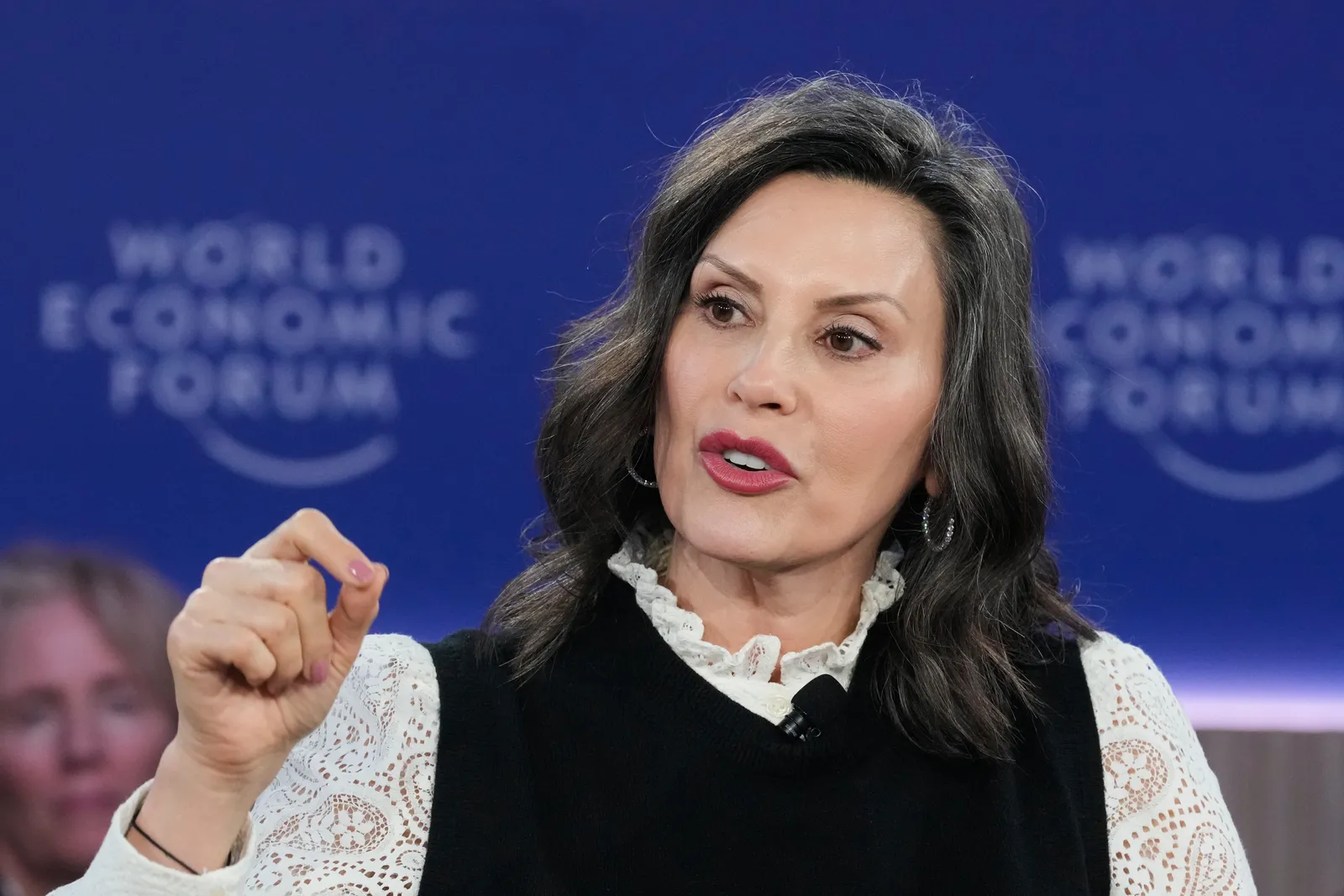
Michigan Gov. Gretchen Whitmer endorsed Rep. Haley Stevens in the state’s Democratic Senate primary, directly wading into an ideological fight within the party. Her move forces decision-makers to track whether Democrats can unify behind the nominee that will face GOP former Rep. Mike Rogers in November.
Michigan Gov. Gretchen Whitmer endorsed Rep. Haley Stevens in the state’s contentious Democratic Senate primary on Friday, backing the more mainstream lane of the party in a contest that has already dragged in national attention. In a video posted to Stevens’ account, Whitmer said, “As governor, I have one strategy: Get things done. And that strategy informs everything that I do, and that’s why I’m endorsing Haley Stevens for the U.S. Senate.”
This is not just a friendly nod. Stevens is hosting a meet-and-greet alongside the governor and Rep. Jim Clyburn (D-S.C.) in Detroit Friday afternoon, and the endorsement comes as the Aug. 4 primary is choosing the Democrat who will try to keep the seat blue while Republicans push to flip it. The general election match-up is set on one side: GOP candidate and former Rep. Mike Rogers, endorsed by President Donald Trump.
So what is the race actually about? According to the coverage, Stevens and former public health official Abdul El-Sayed are the two major Democratic candidates competing to replace retiring Sen. Gary Peters. The ideological fault line is clear in the way endorsements line up. Stevens has backing from more mainstream Democrats and the tacit support of Senate Minority Leader Chuck Schumer, while El-Sayed has galvanized progressives.
If you are trying to read this like a strategist, the key thing is that the endorsement is a bet on coalition durability. Whitmer, as governor, is signaling an approval of a governing style: “get things done.” That language matters in a primary because it turns ideology into a question voters can answer fast. It also matters for the party machinery, because the winner must then go toe-to-toe in November against a Trump-endorsed Republican. In other words, Democrats are not only deciding who represents the future of their party, they are deciding who can survive the present moment.
The campaign’s national visibility is not incidental. The seat is one of those high-profile ones where both parties treat the nomination as a referendum on brand and governing competence. Democrats aim to keep the seat blue. Republicans see an opening to flip it. That sets up a dynamic where primary choices can have second-order effects on messaging, fundraising, and turnout. A nominee pulled too hard toward one wing may still win a primary, but could drag down enthusiasm in the general. A nominee who tries to be a bridge could succeed in the general, but might struggle if the primary base feels not fully represented.
Endorsement patterns show the ideological split playing out in public. Stevens received an additional endorsement from outgoing Sen. Gary Peters. El-Sayed has been endorsed by more progressive lawmakers including Rep. Alexandria Ocasio-Cortez (D-N.Y.), Sen. Bernie Sanders (I-Vt.), and Sen. Elizabeth Warren (D-Mass.). Warren’s endorsement video praised El-Sayed’s vow to not take corporate money while taking a jab at Stevens, who has benefitted from a slew of outside donations, including nearly $30 million from the AIPAC-aligned United Democracy Project.
That last detail is where the money meets the politics in a way that can matter for corporate and policy watchers, too. Outside donations, especially when tied to major policy-oriented groups, can shape what a candidate is perceived to stand for, even if voters are focused on local concerns. In a Senate race, those perceptions often determine which interest groups show up for the nominee, how national allies decide where to spend, and what kinds of legislative priorities become politically “safe” after the election.
There is also a broader lesson for executives and boards who care about political risk. This race is a live example of how party unity can become a resource constraint. When leadership and star lawmakers back different candidates, it forces the party to spend political capital managing fractures, not just building turnout. In the end, the nominee will face Rogers in November, and that general election will reward clarity and cohesion. Whitmer’s endorsement of Stevens is a move designed to push the Democratic coalition toward a specific answer: elect the strongest Democrat in this primary. The strategic stake is whether that answer convinces both wings to show up when the race stops being ideological and starts being electoral.
This story's Key Insights and Take-aways are locked.
Create a free account to unlock Executive Actions for one credit.
Register to UnlockAlways free for Executives Club members. Join the Club
More in Politics

Houthi retaliation escalates after Saudi strikes military targets in Red Sea
Riyadh hits Houthi military targets on Friday. The Houthis call it dangerous escalation after a Red Sea blockade and ship attacks.
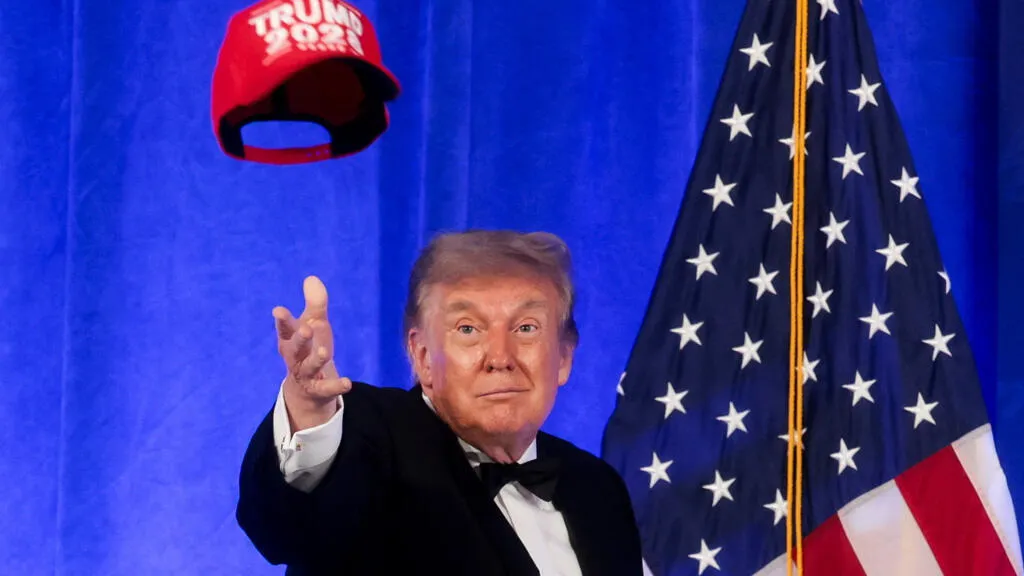
Trump jokes about 2028 third term at rescheduled White House Correspondents' Dinner
The president uses the comeback gala to lash out at

Trump returns to the White House Correspondents' dinner after 3 months
A rambling, hour-long speech resets the political-media signal just as the season turns and scrutiny ramps up.