

Why the Pentagon and Toyota are funding a China iron escape hatch
A defense- and auto-backed startup is chasing a domestic iron source to break America's dependency on Chinese supply - and the implications reach every boardroom.
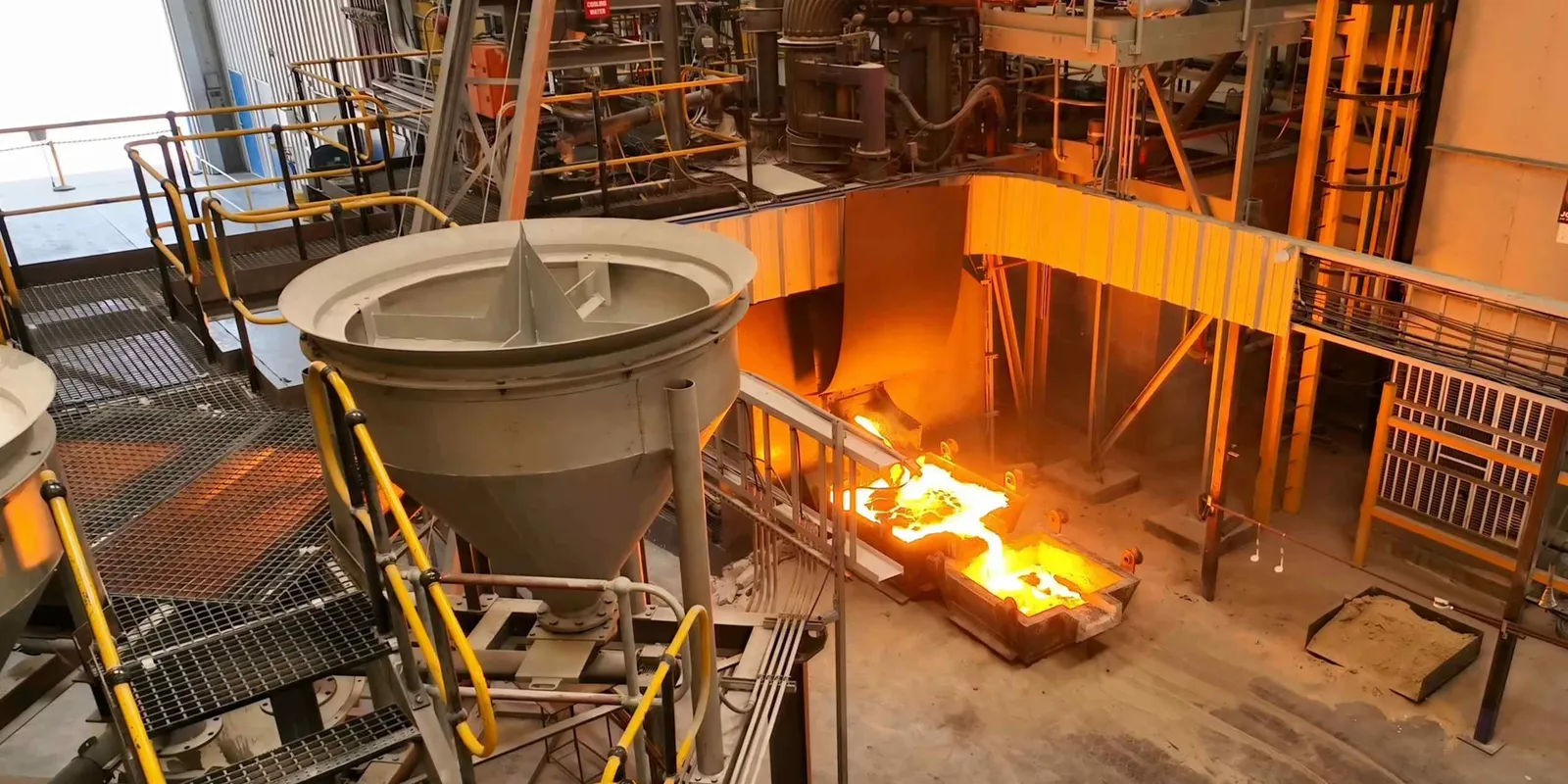
A startup backed by the Pentagon and Toyota is working to cut US reliance on Chinese iron, according to Nikkei Asia. The venture signals a broader push by defense and commercial giants to harden critical supply chains against geopolitical disruption.
The Pentagon and Toyota are backing a startup with a clear mission: reduce America's reliance on China for iron. That is the headline from Nikkei Asia, and it is a bet that sits at the intersection of national security and industrial competitiveness. The startup, whose name and technology are not detailed in the report, is aiming to create a domestic alternative to a material that currently flows heavily through Chinese supply chains. For defense planners, iron and steel are the backbone of everything from naval hulls to armored vehicles. For Toyota, steel is the raw material of every car it builds. The fact that both a military buyer and a commercial automaker are putting money behind the same venture underscores how acute the supply chain risk has become. It is not just about cost; it is about control over a critical input in a world where trade routes and geopolitical alliances can shift overnight.
Context: China is the world's largest producer of steel, and it dominates the refining of iron ore into the forms manufacturers need. The US, by contrast, has seen its domestic iron and steel capacity shrink over decades, leaving it dependent on imports for a significant share of its needs. That dependency has long been a source of concern in Washington, but recent supply chain shocks - from the pandemic to trade wars - have turned that concern into action. The Pentagon's involvement is particularly telling. The Department of Defense has been increasingly focused on supply chain resilience, especially for materials that are essential to national security. By backing a startup in the iron space, it is signaling that the problem is too important to leave to market forces alone. Toyota's participation, meanwhile, suggests that the commercial case is also strong - automakers are under pressure to decarbonize their supply chains, and new iron production methods could offer a lower-emissions alternative to traditional blast furnaces.
The startup's approach is not described in the report, but the strategic logic is clear. If it can produce iron domestically at scale, it would reduce the need for Chinese processing and potentially lower the carbon footprint of steelmaking. That would be a win for both national security and corporate sustainability goals. But the challenges are formidable: iron production is capital-intensive, energy-hungry, and deeply entrenched in existing supply chains. Any new entrant would need to prove it can match the scale and cost of incumbents. The move also fits a broader pattern. Governments and corporations are increasingly treating supply chains as strategic assets, not just cost centers. From semiconductors to rare earths to batteries, the lesson of the past few years is that concentration in any single country is a vulnerability. Iron is the latest frontier. If the startup succeeds, it could pave the way for similar efforts in other materials. If it fails, it will still have forced a conversation about how much risk the US is willing to accept in its industrial base.
For executives in industries that depend on steel - autos, construction, defense, appliances - this venture is a reminder that supply chain risk is now a board-level issue. The companies that thrive will be those that diversify their sources, invest in new technologies, and build relationships with startups that are trying to reshape the materials economy. The Pentagon and Toyota are placing a bet that the future of iron is not in China. The rest of the market should be watching closely. For CFOs and supply chain officers, the takeaway is straightforward: start mapping your critical inputs now. Identify where your suppliers sit, what geopolitical risks they carry, and what alternatives exist. The Pentagon and Toyota are not waiting for a crisis to act. The cost of inaction is only going to rise.
This story's Key Insights and Take-aways are locked.
Create a free account to unlock Executive Actions for one credit.
Register to UnlockAlways free for Executives Club members. Join the Club
More in Business

Elon Musk unveils a flying car, and SpaceX helped build it
The Tesla CEO's showcase at a SpaceX facility signals a future where road and rocket engineering converge.

Apple's $2,000 iPhone Duo opens preorders, taking on Samsung and Google
Apple's first foldable hits the market at a premium price, reshaping a category Samsung and Google have led.

Pope Leo XIV, first American pope, diagnosed with lung cancer
The 71-year-old Chicago-born pontiff underwent successful surgery on his right lung, and his diagnosis raises new questions about his AI-focused papacy and the Vatican's future.