
Witkoff and Kushner step in as Moscow and Kyiv ambassador posts stay vacant
With both ambassadorships unfilled amid escalating war, two senior U.S. figures focus on Iran's role and implications.
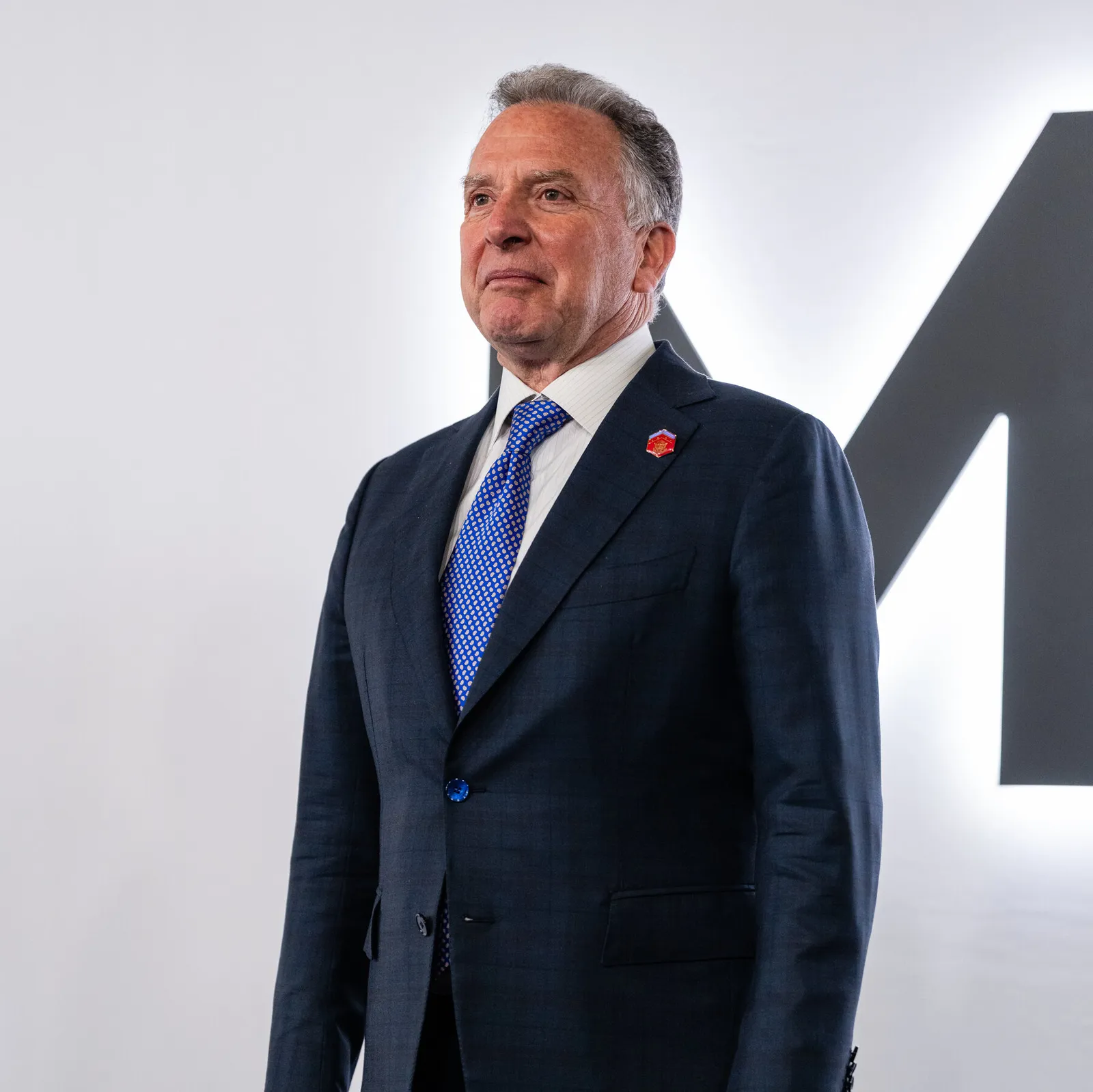
Steve Witkoff and Jared Kushner are pivotal U.S. players as the Ukraine war escalates, with the ambassador roles to Moscow and Kyiv both vacant. Their focus on Iran matters because it ties together diplomacy, battlefield risk, and how decisions get made when key posts are empty.
Steve Witkoff and Jared Kushner are pivotal players at a moment when two U.S. ambassador posts are both vacant: Moscow and Kyiv. That pairing is not a footnote. It signals how thin the diplomatic bench can become when a conflict accelerates and urgency outruns normal staffing timelines. In practical terms, when the top envoy roles are empty, senior figures close to Washington can end up carrying more of the operational and coordination load, especially on issues that do not respect national borders, like Iran.
The Ukraine war escalation makes the vacancy set feel even louder. Washington is not only managing a frontline situation in Europe, it is also trying to keep a wider regional risk map from tipping at the seams. With the U.S. ambassador to Moscow and the U.S. ambassador to Kyiv both vacant, Witkoff and Kushner are focused on Iran, a decision that reflects how executives, policymakers, and institutions often shift from “process” to “function” when the usual channels are under strain. The immediate implication is clear: whatever is happening with Iran becomes more than a separate track. It becomes part of the same system that includes U.S.-Russia dynamics, U.S.-Ukraine support, and the wider diplomatic posture.
For decision-makers, this is where the story stops being just politics and starts becoming how risk gets priced. In crises, governments and the markets that anticipate them behave like any complex organization: they look for redundancies. Vacancies at the ambassador level are a type of single point of failure. When the U.S. no longer has a fully staffed, geographically anchored leadership role in both Moscow and Kyiv, other senior players can become the connective tissue between departments, partners, and intelligence assessments. That can speed things up. It can also make coordination more centralized, which matters when multiple agencies are trying to move in parallel.
Iran is especially relevant because it sits at the intersection of sanctions policy, security threats, and alliance management. Even without getting lost in technical detail, here is the business translation: when diplomats and security planners worry about Iran, they often worry about downstream effects that touch shipping routes, energy pricing expectations, and the likelihood of sudden escalations. Those are the kinds of variables executives watch because they affect everything from supply chain continuity to cost of capital. And because ambassador roles are vacant, the question becomes who is effectively “sitting in the chair” for ongoing engagement and message-setting.
There is another layer, too. Ambassador posts are not just ceremonial. They are built for sustained contact: negotiating positions, managing relationships, and coordinating with local actors where U.S. policy meets day-to-day realities. When both Moscow and Kyiv are vacant at the same time, the United States can end up with a diplomatic posture that is more reliant on ad hoc leadership, remote coordination, and senior political figures who can move quickly. That dynamic can create faster decision cycles, but it can also compress stakeholder input, which is a classic tradeoff in high-pressure environments.
This is why the focus on Iran by Steve Witkoff and Jared Kushner is consequential beyond the headlines. It suggests that, in a moment of war escalation, Washington is prioritizing a problem set that can propagate across theaters. Executives and board members do not need to be briefed on every diplomatic nuance to understand the pattern: when a conflict intensifies and key posts are empty, the people closest to power often spend more time on the issues that might change the trajectory of the conflict. In other words, Iran is not being treated as an isolated dossier.
If you are an investor, operator, or executive trying to read early signals, this story is a reminder that leadership gaps can change how policy gets executed. Vacancies at the ambassador level can reshape timing, coordination, and the flow of information. The second-order impact is that risk management has to account for more than just what is happening on the ground in Ukraine. It also has to account for how U.S. officials pivot when core channels are vacant, and how that pivot could influence the incentives and actions of other governments in the region.
This story's Key Insights and Take-aways are locked.
Create a free account to unlock Executive Actions for one credit.
Register to UnlockAlways free for Executives Club members. Join the Club
More in Politics

Glacial collapse, not rain, killed 180 in Nepal's Himalayan flood
The Himalaya's extreme geography hid the true cause of Nepal's catastrophic flood, a glacial collapse that turned a geological battleground into a mass-casualty zone.

Iran’s Esmail Baghaei says Oman talks start shipping via Hormuz, not US talks yet
Temporary route plans with Oman aim to restart commerce while Tehran says Washington dialogue is not on the table.

Standards watchdog opens probe into Reform UK deputy leader Richard Tice over interests
The parliamentary standards commissioner says it began an investigation on 28 July into a possible undeclared interest.