

Wolverine’s new love interest trailer splits fans before Insomniac’s July 23 Comic-Con 2026 panel
A newly released Marvel’s Wolverine cinematic story trailer spotlights the relationship, but some players still aren't sold.
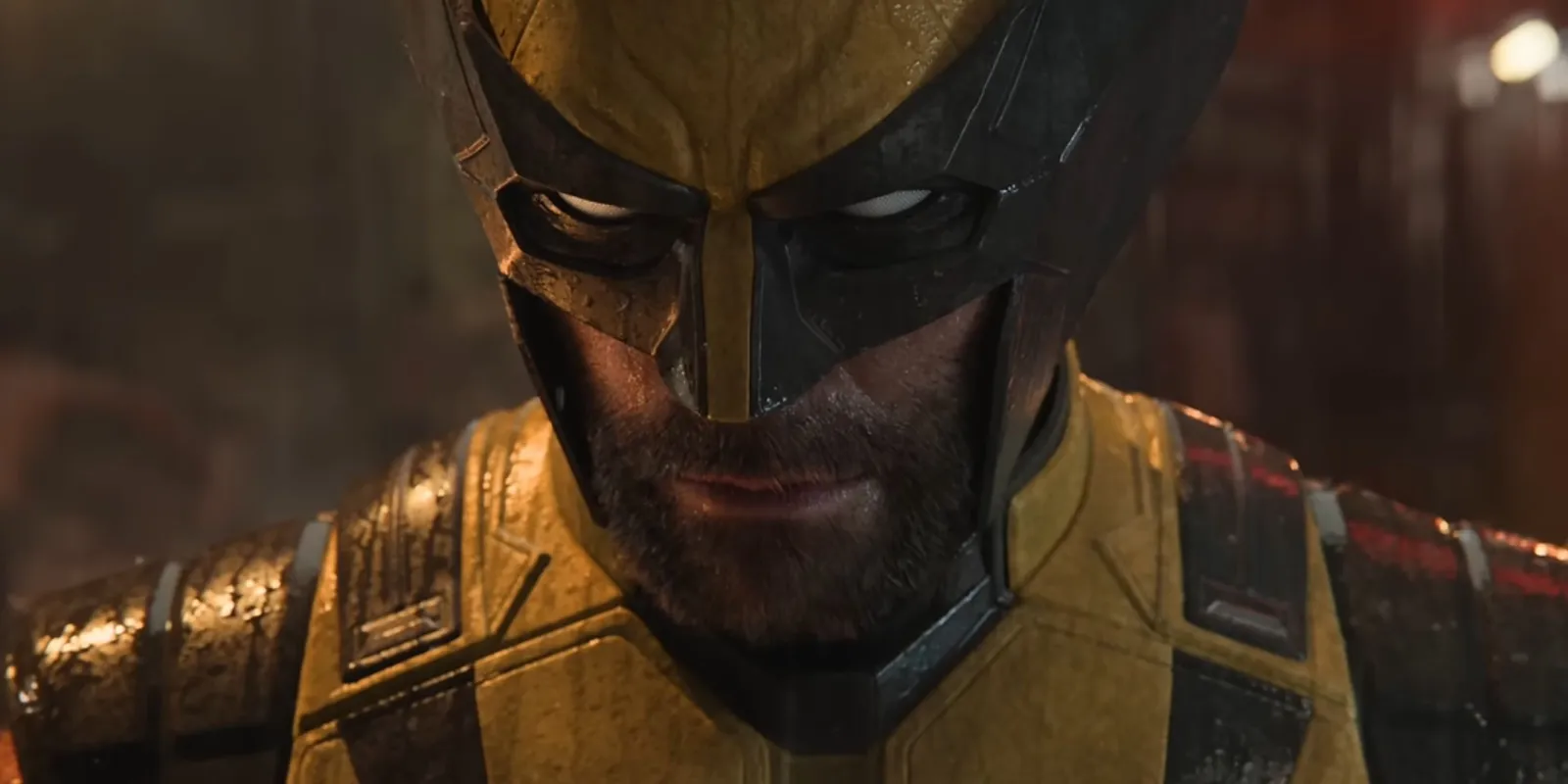
Insomniac released a cinematic story trailer for Marvel’s Wolverine ahead of its San Diego Comic-Con 2026 panel on July 23. The reveal is turning into a flashpoint for player expectations, especially around Wolverine's newest love interest.
Insomniac just dropped a cinematic story trailer for Marvel’s Wolverine, and it is already doing two things at once: setting the tone for the game and spotlighting Wolverine’s newest love interest in a way that is dividing fans. Ahead of Insomniac’s San Diego Comic-Con 2026 panel on July 23, the trailer comes with a “beating heart” in narrative terms, pairing story beats with Wolverine’s yellow-and-black costume and adamantium-laced claws. That matters because for a character like Wolverine, “vibe” is never just vibe. The franchise has a lot of emotional residue, and any new romantic thread is going to rub against established expectations.
The fan split is not subtle. The trailer builds on Wolverine’s extensive past with a particular character, framing that history as iconic, while some fans still aren't fully on board with this particular relationship. In other words, the creative move is both understandable and risky: it leans into what has worked before, but it tries to move the story into new emotional territory. If you are making a blockbuster game tied to a major IP, this is the tightrope. You want broad appeal, but you also need the loyal base to feel respected, not overwritten.
Zoom out and you see why this is a board-level type of problem, even though it is “just” a trailer. Story reveals function like early market signaling. They shape what players believe the game will be emotionally, tonally, and narratively. That has second-order effects on community sentiment, social amplification, and how expectations form before hands-on previews. In a modern game release cycle, sentiment can become self-reinforcing. If enough fans decide they are unhappy early, the conversation can turn from “is this cool?” into “this is not for me,” which is the kind of dynamic that can affect engagement and conversion even before launch.
There is also a momentum advantage in the timing. Insomniac is putting this trailer out before a major live event: San Diego Comic-Con 2026. Comic-Con panels are not only for marketing. They are also for narrative control. You can imagine the internal logic: show the world a cohesive story package now, then use the July 23 panel to add context, demonstrate production confidence, and answer questions that would otherwise grow into rumors. That is especially important when a reveal is already “proving to be incredibly iconic” to some, but controversial to others. The company gets to steer the interpretation before the crowd takes the wheel.
Now consider the content strategy. The trailer emphasizes Wolverine's signature look: the yellow-and-black costume and adamantium-laced claws. That is classic brand coherence. But the story element, Wolverine’s newest love interest, is the part that is sparking debate because it touches the character's established emotional canon. From an executive perspective, that is how you stress-test audience alignment. You are taking the biggest possible character anchor and asking it to support a new relationship arc. The upside is obvious. A compelling romantic storyline can deepen engagement and expand the set of fans who stick around for narrative payoffs. The downside is equally real. If the relationship feels like it clashes with what the audience believes Wolverine “should” want or who Wolverine “belongs” with, you get division instead of excitement.
Regulatory background is not the point here in the way it might be for, say, loot box rules or online safety requirements. But there is still a compliance and risk lens executives use in media releases. Game narrative trailers are public-facing creative. They can be analyzed, discussed, and sometimes amplified in ways that force companies to think through brand risk. While the source does not mention any regulator or policy action, the broader reality is that major IP owners and large publishers routinely monitor how content is received, especially when it touches sensitive character dynamics. Even without a formal regulatory trigger, the “public interpretation” risk behaves a bit like regulatory uncertainty. You cannot control every reading, but you can anticipate where criticism may concentrate.
So what does this mean for decision-makers and peer teams? It is a reminder that storytelling reveals are not soft launches. They are impact events. When a new relationship becomes a flashpoint, it signals that audience expectations are not uniform. That should push teams to think about how they will communicate creative intent at scale, especially during major calendar moments like July 23. If you are in the game, entertainment, or interactive media business, you should treat this as a case study in fanbase fragmentation: the creative idea can be strong, the presentation can be polished, and you can still get pushback because the audience is protecting what they think is “iconic.”
In short, Insomniac’s trailer is giving Marvel’s Wolverine a clear narrative centerpiece and a familiar visual identity. But Wolverine’s newest love interest is also turning into a stress test of fan tolerance and character canon. The stakes are not abstract. Pre-panel hype, community trust, and the ability to unify attention ahead of a major public showcase all hang on whether the story beats land as inspiration or as a misread of the character’s emotional history.
This story's Key Insights and Take-aways are locked.
Create a free account to unlock Executive Actions for one credit.
Register to UnlockAlways free for Executives Club members. Join the Club
More in Entertainment
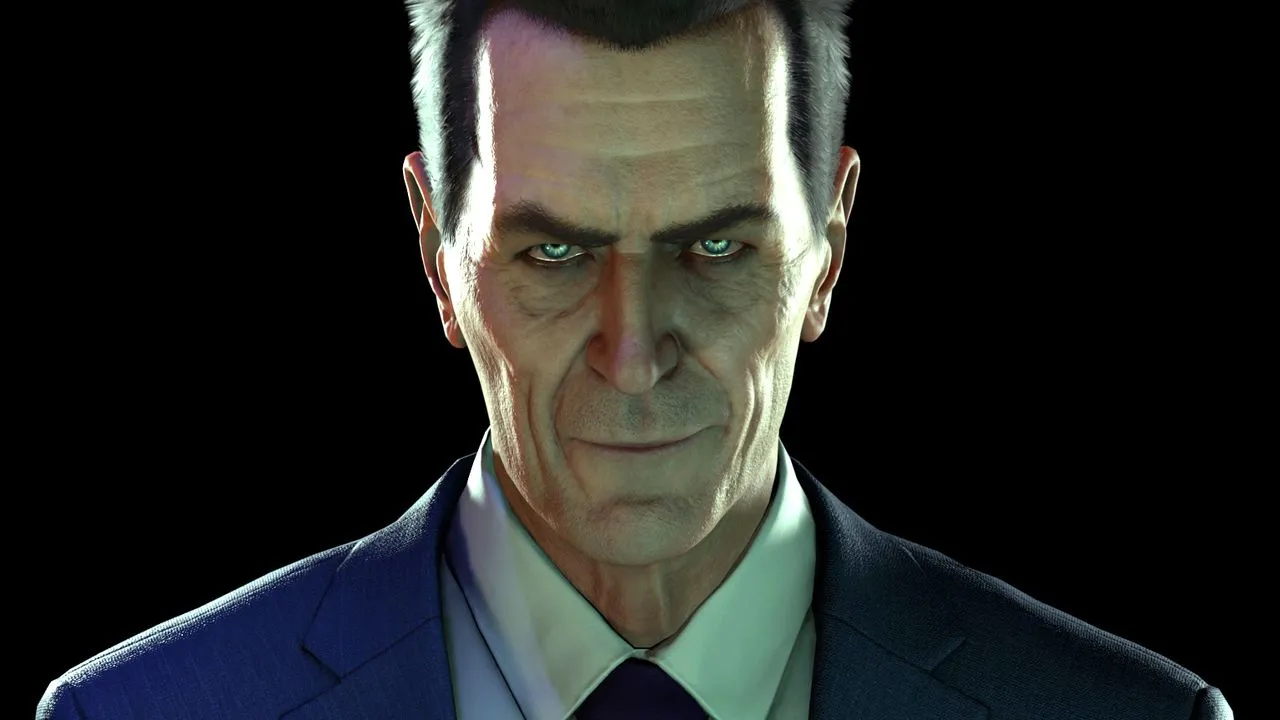
12TB Steam 'teraleak' goes beyond Valve: GTA 3, Mafia 2 prototypes exposed
A 12-terabyte dump of Steam data reveals prototypes and builds of third-party classics like GTA 3 and Mafia 2, plus unreleased Valve content, rewriting game history.

LinkedIn's romance problem: 1 in 4 workers say dating on it is fair game
A new survey shows a quarter of U.S. employees treat the professional network as fair game for romance, even as LinkedIn bans it and removes hundreds of thousands of offending posts.
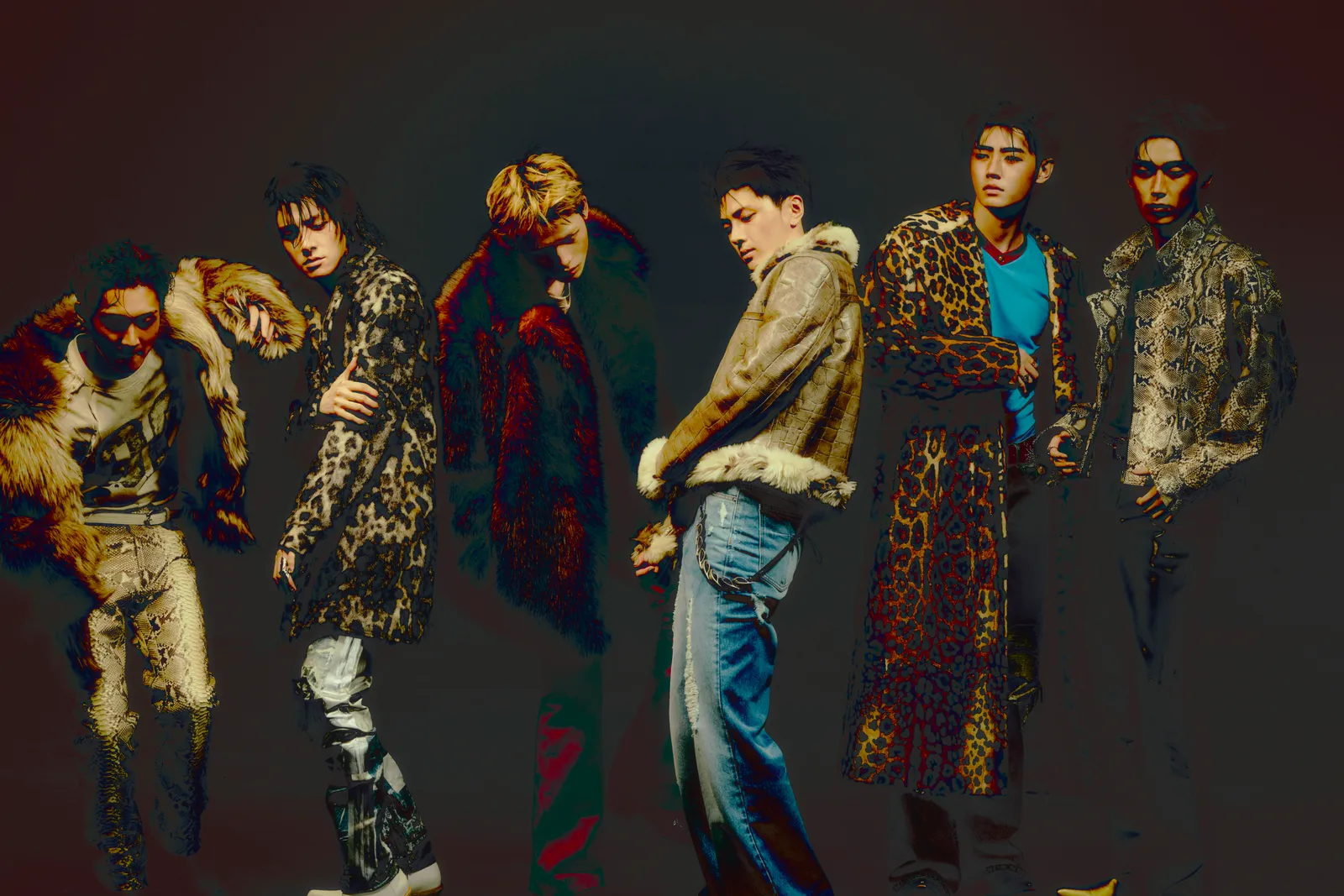
Enhypen's first No. 1 album breaks K-pop's Billboard 200 streak
The K-pop group's 98,000-unit debut tops the chart while Dolly Parton's catalog reentry shows how death reshapes streaming.