
Wonder Man showrunner Andrew Guest says Season 2 cancellation is not a marketing stunt
Guest says contracts were signed and the writers' room was supposed to start this month, then Disney and Marvel reversed course.
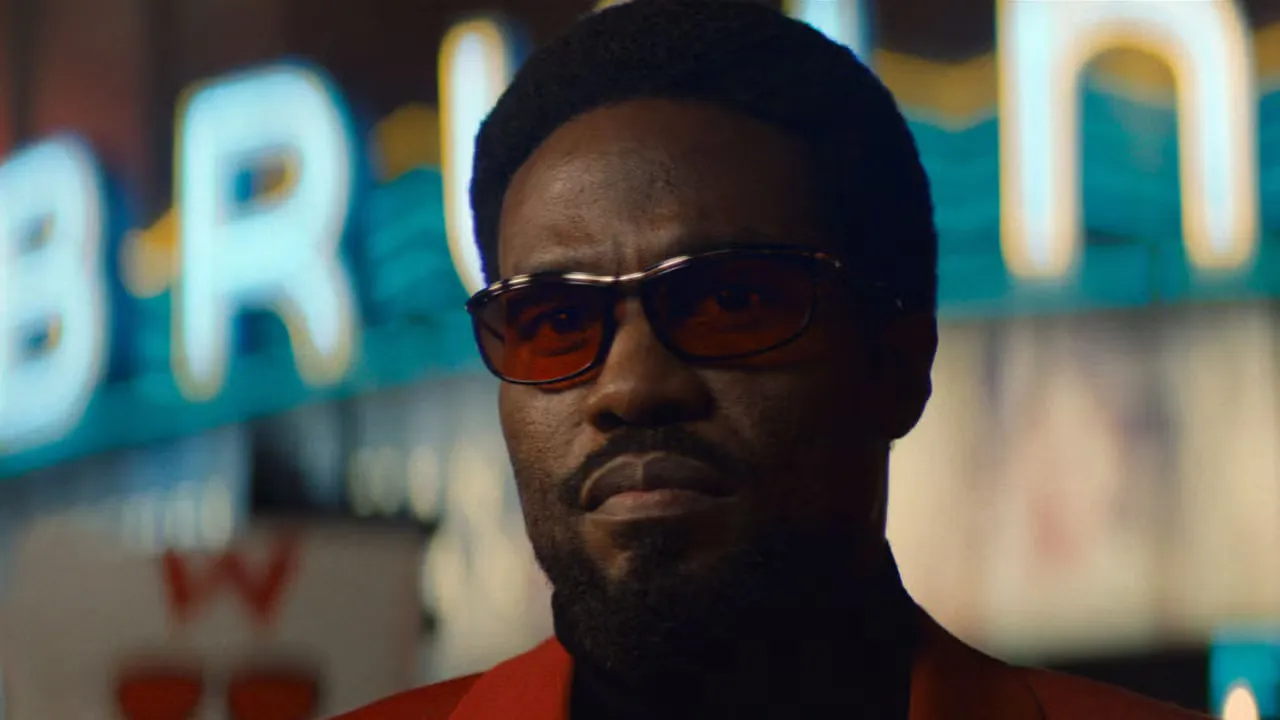
Wonder Man showrunner Andrew Guest said in a Saturday TikTok video that Season 2 plans were already in motion, including signed contracts and a writers' room that was supposed to start this month. His clarification matters to decision-makers because the cancellation followed a prior Season 2 renewal and is now being framed as something other than a publicity play.
Andrew Guest, the showrunner for Marvel Studios and Disney+’s Wonder Man, used a TikTok video on Saturday evening to deliver a blunt correction to fan theories: the Wonder Man Season 2 cancellation is “not a marketing stunt.” Guest also said this reversal caught him off guard, because the series had moved beyond concept and into scheduling and staffing. “Contracts were signed, schedules were cleared,” Guest said. “The writers' room was supposed to start this month.”
That matters because it reframes the cancellation from a storyline-shaped publicity move into what Guest described as an internal business decision. Guest said the production was supposed to begin early next year and that “a decision made internally between Disney and Marvel” concluded it “didn't make sense for them,” even though “a few months ago it did.” He added that “Numbers aren't really shared with me,” which, in plain English, means he is not the person holding the spreadsheet. But he is telling viewers, clearly and specifically, that the machinery for Season 2 was already engaged before it was shut down.
This is the key tension in the Wonder Man saga: fans were theorizing that the cancellation was a rug-pull, built to mirror the show’s premise of a struggling Hollywood actor auditioning for a superhero film while concealing his real superpowers. Guest directly pushed back on that narrative. “This is not a marketing stunt. There is no movie in the works,” he said. He also said that even though the writers' room had not started, he had written the first episode of Season 2 and had an outline for where the season would go. In other words, the decision did not sound like a media bluff, because work had already progressed.
From an executive perspective, the most revealing part may be the sequencing. Guest said the earlier Season 2 renewal got reversed, and that even though Disney and Marvel now decided it “didn't make sense,” that same “made sense” decision existed “a few months ago.” That is a window where internal expectations can change quickly. It also hints at the kind of pressure streaming and studio teams face: production commitments require faith in performance, pipeline planning, and audience confidence, all of which can shift faster than writers can join a room. Guest’s line about not receiving the numbers suggests there is a gap between creative development and the metrics that ultimately decide whether a show stays greenlit.
Guest also leaned into the audience impact, calling on viewers to let their “voices be heard about how you feel about this.” That is not just a polite send-off. It also echoes a bigger conversation that has been building around Marvel’s output and representation. The news of Wonder Man ending came shortly after Mahershala Ali affirmed that he had exited Marvel's Blade reboot, which had spent years struggling in development. Then, as the article notes, Marvel’s failure to deliver two stories with Black protagonists emerged just days after the studio unveiled a Ghost Rider reboot starring Ryan Gosling, raising eyebrows among some viewers.
The creative business here is more than one show. It is how platforms decide what kinds of stories to prioritize, and how those choices ripple into investor and board conversations about audience demand, cultural relevance, and long-term brand equity. Guest framed it directly: “There's important conversations being had online about the kind of stories that we're prioritizing and the kind of shows platforms want to make,” he said. “I hope people are listening, and I also hope that Emmy voters are thinking about Yahya and how much he deserves an Emmy for the incredible work he did on this show.”
That last point is a reminder that awards season can function as a parallel scoreboard. Yahya Abdul-Mateen II, who stars in Wonder Man, is nominated for outstanding lead actor in a comedy series for his work on the show. Guest singled him out, reinforcing that the creative case for Wonder Man may still be strong even if the studio case for continuing it is not. In board terms, that raises a hard question: do you continue commissioning expensive content based on internal financial logic, or do you hedge with the reputational and talent-return benefits that award recognition can bring? Guest’s comments do not answer it, but they show how creators interpret the outcome: as something driven by platform and studio decision-making rather than audience valuation alone.
Zooming out, Wonder Man’s cancellation lands in a broader moment where Marvel and Disney+ are managing a large universe with multiple projects at different stages of development. When a show that had contracts signed and a writers’ room planned gets canceled, it signals that even plausible next seasons can get cut if the “doesn’t make sense” decision hardens. For executives across media, the second-order implication is that greenlighting is becoming less linear: early momentum does not guarantee continuity, and internal decisions can override schedules that look locked.
For peers in similar roles, the takeaway is not “don’t plan,” it is “plan with uncertainty.” Guest’s account makes the uncertainty visible. A writers’ room was supposed to start this month. Production was supposed to begin early next year. Instead, Disney and Marvel concluded the project “didn't make sense for them,” and the show is over. That is the kind of operational whiplash that boards ask about after the fact, and it is the kind of communication creators and executives have to get right, fast, when the numbers and the story diverge.
This story's Key Insights and Take-aways are locked.
Create a free account to unlock Executive Actions for one credit.
Register to UnlockAlways free for Executives Club members. Join the Club
More in Entertainment

'It's a Magic Trick': Ballet Experts Say Rosalía's SNL Pose Is Impossible
Three ballet experts tell Rolling Stone Rosalía's gravity-defying SNL stillness shouldn't be possible - and why the debate is now part of the show.

Activision CMO: GTA 6 Will Boost Call of Duty, Not Bury It
Activision's top marketer says Rockstar's blockbuster will drive players back to consoles and into Modern Warfare 4, even as the company admits its recent strategy failed.
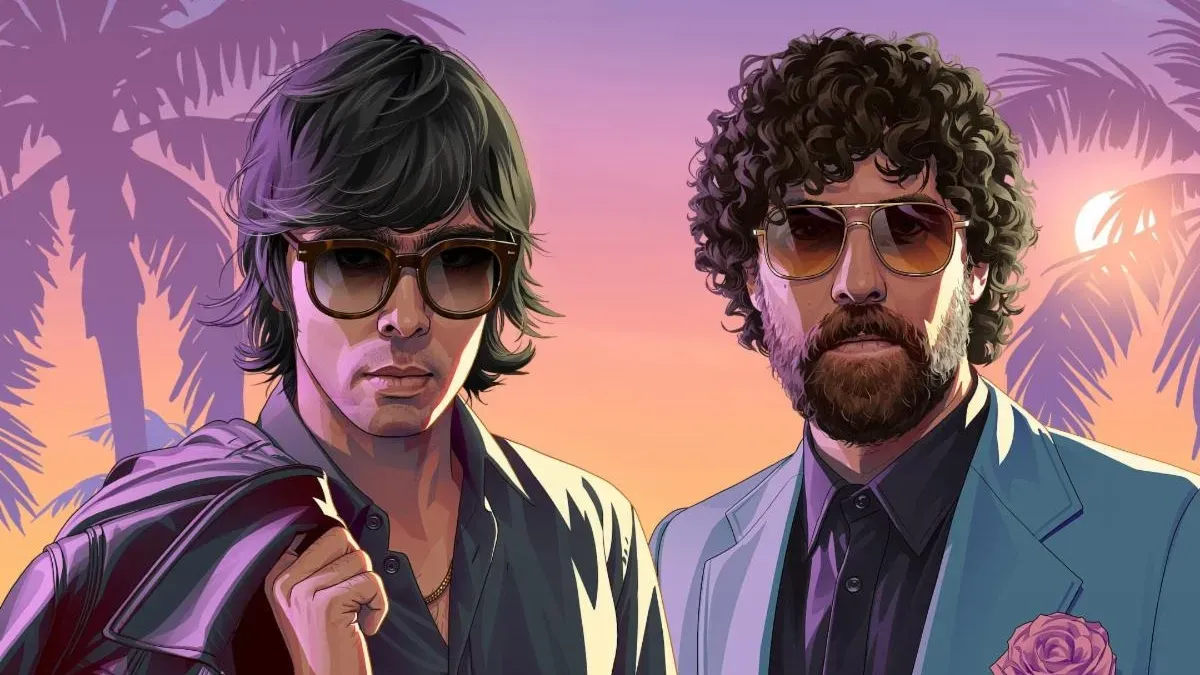
Justice to Score GTA 6, Share New Song with Tame Impala, SZA, King Gizzard
Rockstar taps the French duo for the GTA VI score, and the first taste is a genre-melting collab with Tame Impala, SZA, and King Gizzard & The Lizard Wizard.