
World Cup ad winners may not be the true sponsors, CNBC says
The teams that “win” in branding could reveal how audiences reward authenticity, not just sponsorship check sizes.
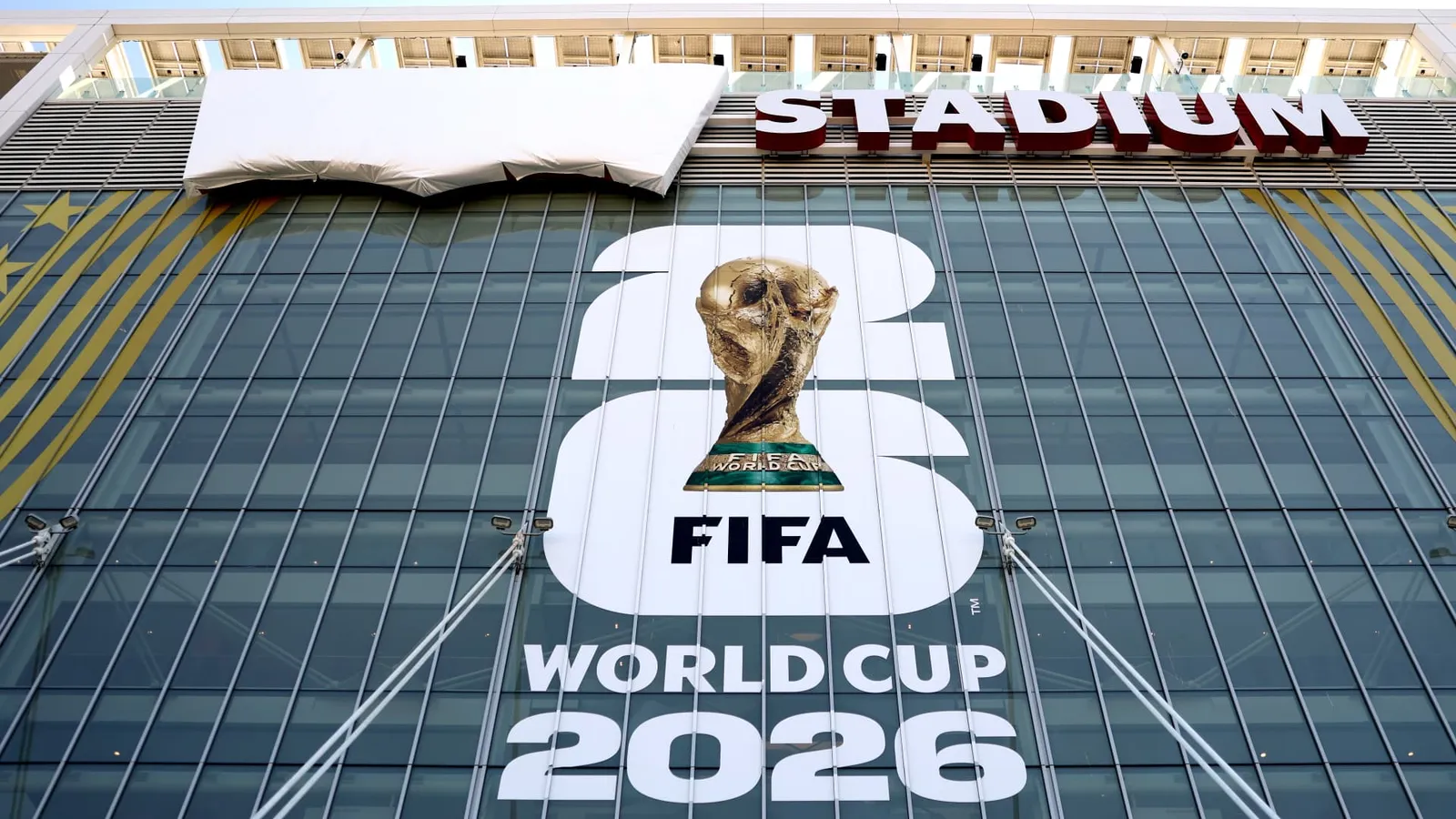
CNBC frames World Cup advertising performance by “winners and losers,” noting that the brands showing up as beneficiaries may not actually be the sponsors. For decision-makers, it points to an authenticity-driven brand advantage that can reshape how budgets, partnerships, and measurement are evaluated.
CNBC’s read on the World Cup is blunt: the brands that seem to win in advertising may not be the sponsors.
In other words, the World Cup advertising leaderboard might be telling you less about who paid the sponsorship bill and more about which brands people feel were “authentic” to the moment. That matters because sponsorships are supposed to buy you attention, but attention is not the same thing as belief. If audiences are rewarding authenticity, the sponsor title alone might not explain who benefits.
Why does this idea land now? Because sports marketing has spent years wrestling with a changing attention economy. In the past, a sponsor logo and broadcast visibility could translate pretty directly into memorability. But modern audiences are trained to filter, skip, and compare. They also see more branded content than they can realistically process. So the question stops being “did the brand appear?” and becomes “did the brand feel real?” CNBC’s framing suggests that authenticity is a measurable differentiator in how people respond to advertising tied to major events like the World Cup.
There is also a board-level reason to care. Sponsorship agreements are typically long-duration, negotiated with legal and finance teams, and justified with a mix of reach metrics and brand objectives. If the brands that perform best in public perception are not always the ones that are contractually the sponsors, executives have to revisit how they evaluate sponsorship ROI. The consequence is practical: procurement can lock in a partnership based on who sponsors what, while marketing performance might accrue to another party in the ecosystem that is executing the activation more credibly.
It is not that sponsors are irrelevant. It is that sponsorship is only one ingredient. During an event like the World Cup, there are multiple channels where brand meaning is created: match-day storytelling, commercial production quality, social amplification, and the way the ad connects to the emotion of the sport. Even when sponsorship is constant, the campaign execution can vary sharply. A brand that appears “in name only” can still lose the authenticity test, while a brand that shows up with a message that feels aligned with the stakes of the tournament can be remembered more strongly.
There is also a regulatory and compliance context executives cannot ignore, especially in global tournaments that draw scrutiny on advertising content and disclosures. In general, sports marketing often has to comply with local advertising rules, brand safety practices, and sponsorship disclosure requirements, depending on the country and broadcaster. While CNBC’s piece does not cite specific regulatory actions, the underlying point still applies: authenticity is not purely creative. It is constrained by what brands are allowed to say, how they represent affiliations, and what claims can be supported. If audiences are sensitive to authenticity, brands also need a compliance-safe way to express it. Otherwise, you risk falling into the exact mismatch people can detect, even if the ad technically follows the rules.
For decision-makers, the second-order implication is about measurement and attribution. Traditional sponsorship valuation often assumes a straight line: sponsor payments lead to brand lift among viewers. But CNBC’s framing suggests a more complex reality where “winners and losers in advertising” can be indicative of broader consumer behavior patterns. Specifically, people may be responding to authenticity, meaning the measured outcomes might be influenced by factors outside the sponsor contract. That complicates dashboards. It changes what “success” should mean in board materials. It also influences how finance and marketing teams set KPIs for the next tournament cycle.
If you are an executive considering sponsorships or major-event marketing, the takeaway is to pressure-test the assumption that sponsorship equals advantage. CNBC’s angle is basically a warning sign: the brand that looks like the winner might be the one that earned belief, not necessarily the one that signed the sponsorship checks.
And for peers, the strategic stake is clear. If authenticity drives response, then sponsorship strategy becomes less about headline placement and more about brand integration. The World Cup becomes a live experiment in what audiences reward. If those rewards are not going to the official sponsors, future budgets may need to follow the signal where it actually performs.
This story's Key Insights and Take-aways are locked.
Create a free account to unlock Executive Actions for one credit.
Register to UnlockAlways free for Executives Club members. Join the Club
More in Business

Bungie cuts most Destiny 2 staff as Sony says Marathon still matters
Herman Hulst confirms layoffs affecting most Destiny and some Marathon teams after Bungie admits Destiny fell short.

SK Hynix jumps 11% after seeking up to $29.4B in Nasdaq listing
The chip giant filed for a Nasdaq listing plan that could raise $29.4 billion, instantly reshaping investor expectations.

Micron revenue hits nearly $42B as AI memory lifts gross margins above 81%
Fiscal Q3 results crush estimates, prove AI memory is rewriting Micron's margins, and change the momentum math for the whole chip stack.