

WoW director Ion Hazzikostas: Patch 12.0.5 broke housing by fixing an elevator bug too late
The April patch wasn’t “bad QA.” It was a timing bet on legacy fixes that backfired on housing for a day.
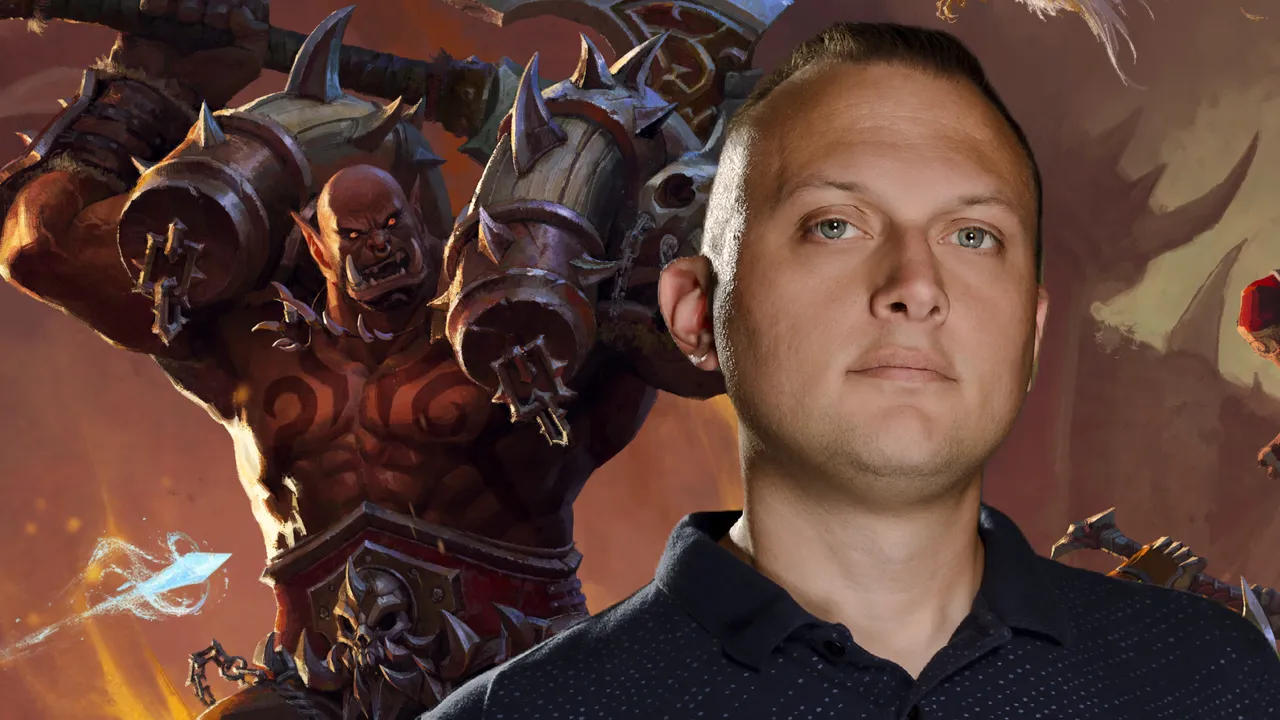
Ion Hazzikostas, director at Blizzard, says WoW Patch 12.0.5 shipped with major breakage because the team tried to fix bugs too close to release time. His example: a Siege of Orgrimmar elevator bug fix landed days before 12.0.5, then housing snapping and placement destruction was discovered too late.
World of Warcraft Patch 12.0.5 got hammered earlier this year for breaking a lot of systems. Ion Hazzikostas, a director at Blizzard, is now laying out a more specific reason than “rushed QA”: the team was too aggressive about fixing bugs right before the patch went live, including an elevator issue tied to 2013-era code.
In Hazzikostas’s account, the housing disaster is the clearest smoking gun. Housing got disabled for a whole day after players discovered that when they zoned into their houses with any decor off the ground, it snapped to the ground, permanently changed decor placement, and destroyed a lot of setups. He traces the chain to a last-minute fix for a Siege of Orgrimmar elevator bug where players would fall through the elevator, which was implemented just a few days before Patch 12.0.5.
So what actually happened, in plain English? The team found that legacy elevator bug and decided to fix it. But Hazzikostas says WoW’s “complex interdependent nature of 20-25 years’ worth of code” meant that changing how players attach to an elevator object also touched other systems for parenting and stacking objects. Housing decor is, basically, an object-attachment party. When that attachment logic shifts, furniture and placement logic can shift with it, even if the patch notes are focused on elevators and not interiors.
The really uncomfortable part is timing. Hazzikostas says that during the final day and a half before the patch went live, the team did not go back and check housing after the last-minute elevator fix. The result was blunt: housing broke in a way that made players’ carefully arranged spaces permanently wrong. In his words, “Not a good look, right?” He’s also clear that the mitigation could have been cleaner. The team “should’ve gone ahead with the stable build, released it, and then rolled that out as a hotfix later on with not the same immediate short-term risk.” In other words, they traded a smaller controlled fix window for an all-at-once patch window, and housing paid the bill.
That brings us to the incentive problem Blizzard is balancing in Dragonflight onward. Hazzikostas is proud of a “faster patch cadence from Dragonflight onwards.” The stated rationale is that moving quicker lets the team “get out a wider spread of content for folks with different tastes.” He frames it as a quality-and-velocity push, not a quantity-first scramble: he emphasizes that “just because we move faster doesn't mean that we are sacrificing quality-we are never going to put something in a patch if it's not ready.”
And yet, the April controversy shows how “not sacrificing quality” can still lead to painful outcomes when the definition of “ready” includes operational reality, not just engineering intent. Players asked whether Blizzard was sacrificing quality for speed and quantity. Hazzikostas’s nuance is that speed itself wasn’t the problem. “If anything it was actually us being a bit too aggressive in trying to fix bugs very close to the patch release time.” That distinction matters for executives because it is the difference between a process that ships early versus a process that changes late. Both can break things, but one signals deeper governance failure and the other signals a boundary condition problem: how close is too close for risky changes.
For boards, the second-order question is not “Did you patch fast?” It’s “What is your last-mile change control?” In live service games, most code is legacy, and most legacy code is interconnected in ways no one individual can fully predict. Hazzikostas points to an elevator fix that rippled into housing object-parenting logic. That is the kind of failure mode that shows up when you treat bug fixing as locally scoped. It never is. It is also why patch cadence is more than a schedule. It is a risk budget allocation between shipping new content and absorbing regressions.
The good news, if you’re looking for business relevance rather than nostalgia, is that Hazzikostas is effectively describing a governance retrofit opportunity. He’s outlining a playbook: when the change is high-risk and interdependent, ship the stable build, then roll out the fix via hotfix rather than bundling it into the main release window. That approach reduces blast radius. It also gives teams a smaller surface area for verification, like rechecking housing after the fix, before it touches everyone at once.
For peers in similar roles, the strategic stakes are obvious. The market punishes trust loss quickly, especially when players feel like systems are breaking in ways that are both visible and permanent. Patch 12.0.5 was a case study in how “lots of moving pieces” can still mean a single missed check. If you are running a product with decades of accumulated code, you are not just deciding what to ship. You are deciding what to risk near the deadline, and whether you have enough operational discipline to verify the highest-impact surfaces before your users do the testing for you.
And yes, the story ends with a classic MMO fear: patch 12.1’s new challenges, and the hope that no one’s head pops off because someone touched ground geometry somewhere else. The executives takeaway is sharper than the meme, though. Fixes are not just fixes in interconnected systems. They are new behavior with new failure modes, and the last day and a half before launch is where governance either holds or unravels.
This story's Key Insights and Take-aways are locked.
Create a free account to unlock Executive Actions for one credit.
Register to UnlockAlways free for Executives Club members. Join the Club
More in Entertainment

Russell Brand's accuser 'bewildered and confused' as he denies 7 sex charges
The criminal case against the comedian is a live test of how media companies manage talent risk when serious allegations go public.

'It's a Magic Trick': Ballet Experts Say Rosalía's SNL Pose Is Impossible
Three ballet experts tell Rolling Stone Rosalía's gravity-defying SNL stillness shouldn't be possible - and why the debate is now part of the show.

Activision CMO: GTA 6 Will Boost Call of Duty, Not Bury It
Activision's top marketer says Rockstar's blockbuster will drive players back to consoles and into Modern Warfare 4, even as the company admits its recent strategy failed.