

Xbox and PlayStation sales hit new lows, analyst warns of 1980s-style collapse
AI memory demand is driving console prices to record highs, and an analyst sees echoes of the 1980s crash.
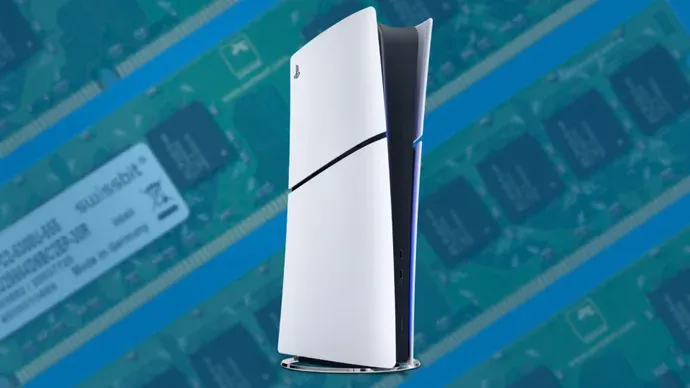
Analyst Mat Piscatella warns that US console hardware sales have hit new lows, leaving the market in its most precarious position since the early 1980s. For gaming executives and investors, AI-driven memory costs are squeezing hardware margins and threatening a repeat of the industry's historic collapse.
Xbox and PlayStation sales have hit new lows in the US, and analyst Mat Piscatella is sounding the alarm: the hardware market hasn't been in a more precarious position since the early 1980s, a period that ended in the industry's absolute collapse. That's the headline fact, and it's not hyperbole. The current generation of consoles, PS5 and Xbox Series X/S, are now more expensive than ever in most markets, and the root cause is a supply chain squeeze that shows no signs of letting up. Piscatella, a well-known industry analyst, made the comments as new sales data confirmed the downward trend, according to Eurogamer.
The culprit is memory components. AI data centres are gobbling up the same DRAM and NAND chips that go into consoles, driving up costs for manufacturers like Sony and Microsoft. Those higher costs are being passed straight to consumers, making the PS5 and Xbox Series X/S pricier at a time when buyers are already feeling the pinch of inflation. Piscatella's warning frames this as a structural problem, not a seasonal dip. The memory shortage is not a temporary blip; it's a direct consequence of the AI boom, which is consuming memory chips at an unprecedented rate.
For context, the early 1980s were the industry's darkest hour. The market, then dominated by Atari, collapsed under the weight of oversupply and a flood of low-quality titles, leading to a multi-year freeze in hardware sales. The fact that Piscatella is invoking that era suggests the current slump is more than a typical console cycle trough. It's a signal that the business model itself is under pressure. Back then, the crash was so severe that it took Nintendo's NES and a radical shift in how games were made and marketed to bring consumers back. Today, the industry is far more diversified, with mobile and PC gaming providing buffers, but the console segment remains a critical profit center for Sony and Microsoft.
The AI connection is the twist. Memory components are now a strategic resource for data centre operators building out AI infrastructure. Every new GPU cluster requires massive amounts of high-bandwidth memory, and that demand is diverting supply away from consumer electronics. For console makers, this means higher bill-of-materials costs and less negotiating power with chip suppliers. The result: record-high prices for hardware that was already seen as a luxury purchase. In most markets, the PS5 and Xbox Series X/S are more expensive today than at any point since their launch, and that's a hard sell for consumers who are also dealing with higher interest rates and housing costs.
The timing is brutal for Sony and Microsoft. Both are deep into the current console generation, with no new hardware on the horizon to reignite consumer excitement. Instead, they're relying on software sales, subscriptions, and services to carry margins. But if hardware sales keep sliding, the installed base shrinks, and that undermines the entire ecosystem, from game sales to microtransactions to cloud gaming adoption. For developers, a smaller installed base means lower potential revenue per title, which could lead to fewer big-budget games and more consolidation. For investors, the console business is becoming a less predictable revenue stream, and that's reflected in the cautious tone of Piscatella's analysis.
For investors and operators outside gaming, this is a case study in how AI's appetite for components can ripple through unrelated markets. The memory shortage is not just a gaming problem; it's a reminder that AI infrastructure buildout has real-world costs, and those costs are landing on consumers in unexpected places. Companies that depend on commodity chips, from automakers to smartphone vendors, should be watching this closely. The same dynamics that are squeezing Sony and Microsoft are likely to affect any hardware business that relies on memory components, and the competition for supply will only intensify as AI models grow larger and more complex.
Piscatella's warning is a call to action for the industry. The 1980s crash was eventually followed by a renaissance, led by Nintendo's NES and a renewed focus on quality. Today's recovery might come from cloud gaming, AI-enhanced experiences, or a shift in memory supply, but the near-term outlook is grim. For executives, the lesson is clear: plan for supply chain volatility, watch consumer price sensitivity, and don't assume the next console cycle will save you. The companies that navigate this period will be the ones that treat memory costs as a strategic risk, not just a line item, and that build flexibility into their hardware roadmaps.
This story's Key Insights and Take-aways are locked.
Create a free account to unlock Executive Actions for one credit.
Register to UnlockAlways free for Executives Club members. Join the Club
More in Technology

A Chinese rocket deorbited over Minnesota and landed in a farmer's cornfield
Experts tied the fragment to LandSpace's Zhuque-2E, which launched on September 15 and shed debris over the American Midwest after deploying 10 satellites.

JPMorgan Chase deploys first $5B into defense tech and hypersonic missiles
The bank is moving off its balance sheet to back robot factories, hypersonic missiles, and supply chains, signaling a new era of bank-backed military innovation.

Cop fired after sharing Flock login with ICE husband: 983 searches
A Savannah officer's shared credential let an ICE agent run hundreds of plate searches on Hispanic drivers, exposing a surveillance backdoor.