
Xbox CEO Asha Sharma reveals next-gen 'family of devices' for Project Helix
Microsoft's console chief signals a multi-device strategy focused on affordability and efficiency, with PC-game compatibility and exclusives still in play.
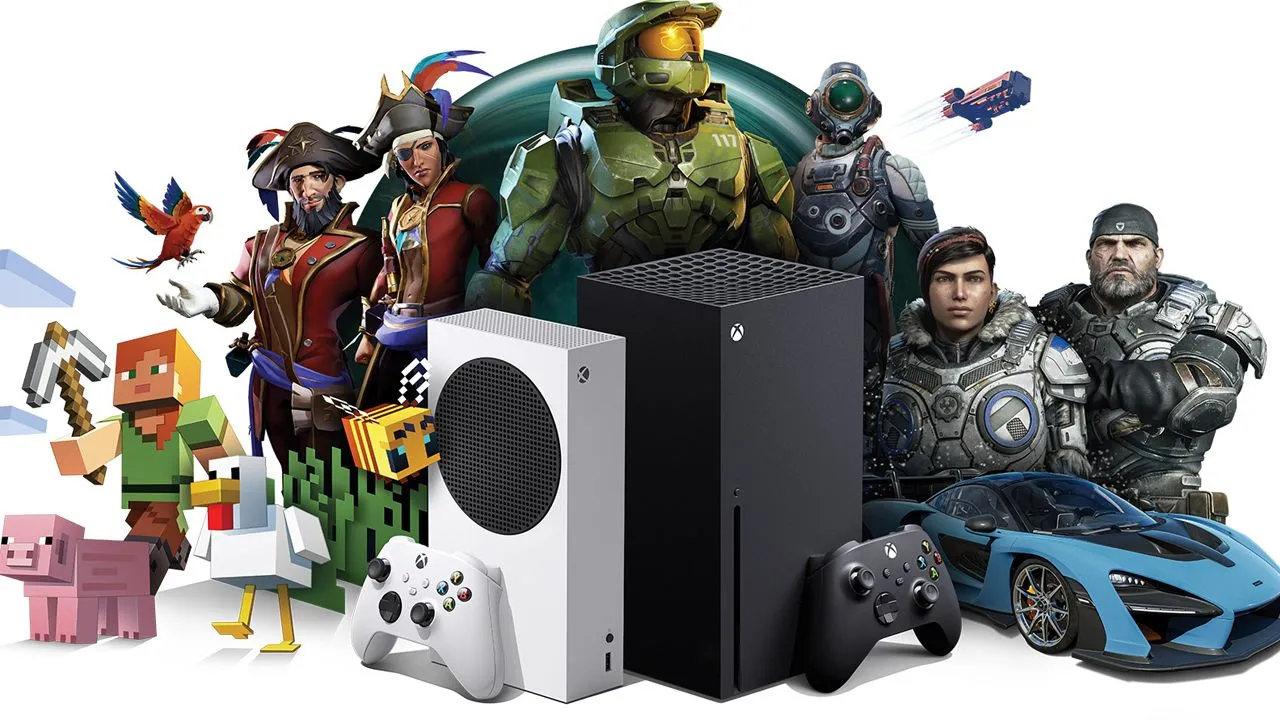
Xbox CEO Asha Sharma publicly described the next-generation Project Helix as a 'family of devices,' breaking from the single-console tradition and emphasizing affordability and efficiency. For gaming executives and investors, this signals a strategic pivot toward multi-tier hardware and flexible business models that could reshape console economics.
Xbox CEO Asha Sharma has, for the first time, publicly framed the next-generation Project Helix as a 'family of devices' rather than a single console. In an interview with BBC News, Sharma confirmed that Microsoft is 'hard at work on a great next generation and a great family of devices for Project Helix,' a deliberate shift from the one-size-fits-all approach that has defined past console launches. The statement is the clearest signal yet that Microsoft intends to diversify its hardware lineup, potentially repeating the dual-tier strategy of the current Xbox Series X and Series S, but with even more variation in price and performance.
Sharma's emphasis on affordability and efficiency is a direct response to the economic realities of modern gaming. 'All of the industry needs to start to innovate on affordability and efficiency,' she said, pointing to the 'crisis that's currently happening in hardware and components.' This is not just a nod to supply-chain pressures; it's a recognition that the $500-plus console price point is becoming unsustainable for a broad audience. By building a family of devices, Microsoft can offer entry-level options that lower the barrier to entry, while still catering to enthusiasts who want maximum performance. The current Series S, which sells at a lower price but plays the same games as the Series X, has already proven this model works, and Project Helix appears poised to extend it further.
The interview also touched on a key differentiator: the ability to play PC games on console. Sharma noted that Microsoft has 'talked about being able to not only play your console games, but also play your PC games on your console.' This is a long-rumored feature that would blur the line between Xbox and Windows, leveraging Microsoft's unique position as both a console maker and a PC operating system provider. For players, it means a single device could serve as a bridge between two ecosystems, potentially expanding the library of available titles and increasing the value proposition of an Xbox purchase. For developers, it simplifies cross-platform distribution and could reduce the friction of porting games between PC and console.
On the subject of exclusive games, Sharma was measured but firm. When asked about The Elder Scrolls 6, a title widely expected to be an Xbox exclusive following Microsoft's acquisition of Bethesda, she said, 'Every platform needs some form of exclusive experiences.' This is a careful balancing act: Microsoft has increasingly embraced a multi-platform strategy, releasing games like Sea of Thieves and Grounded on rival platforms, but Sharma's comment reaffirms that exclusives remain a cornerstone of the Xbox value proposition. The Elder Scrolls 6, one of the most anticipated games in the industry, could be the flagship exclusive that drives hardware sales for Project Helix, even as Microsoft explores more open distribution models.
The broader context is a gaming industry in flux. Sony's PlayStation 5 has outsold the Xbox Series X|S by a significant margin, and Nintendo continues to dominate with the Switch. Microsoft's answer has been to pivot toward services like Game Pass, which now boasts tens of millions of subscribers, and to acquire studios at a rapid pace. Project Helix, then, is not just a new console; it's the hardware foundation for a subscription-first, multi-device ecosystem. By offering a family of devices at different price points, Microsoft can maximize Game Pass penetration across income brackets and usage patterns, from casual players to hardcore enthusiasts.
Sharma's comments also carry implications for the broader tech industry. The 'crisis' in hardware components she referenced has affected everything from smartphones to automobiles, and gaming consoles are particularly vulnerable due to their reliance on custom silicon. A family of devices allows Microsoft to use a wider range of components, potentially easing supply chain constraints and reducing costs. It also opens the door to more aggressive pricing strategies, including subsidized hardware tied to Game Pass subscriptions, a model that has worked in the smartphone industry and could be adapted to consoles.
For competitors and partners, the message is clear: Microsoft is no longer thinking in terms of a single box. The next generation will be a portfolio of devices, each tailored to different needs and budgets, all connected by a unified software platform. This is a bold bet, but one that aligns with the industry's broader trend toward fragmentation and personalization. As Sharma put it, the goal is to give people 'more choice in terms of how they play their console and how they purchase their console.' That choice, if executed well, could redefine what it means to own an Xbox.
The road to Project Helix is still long, and many details remain under wraps. But Sharma's public remarks offer the clearest glimpse yet of Microsoft's strategy. By prioritizing affordability, efficiency, and flexibility, the company is positioning itself to weather the economic headwinds that are squeezing the gaming industry. And by keeping exclusives like The Elder Scrolls 6 in its arsenal, it retains a powerful lure for consumers who might otherwise drift toward competitors. The next generation of Xbox won't be a single product; it will be a family, and that family is being built to appeal to everyone.
This story's Key Insights and Take-aways are locked.
Create a free account to unlock Executive Actions for one credit.
Register to UnlockAlways free for Executives Club members. Join the Club
More in Business
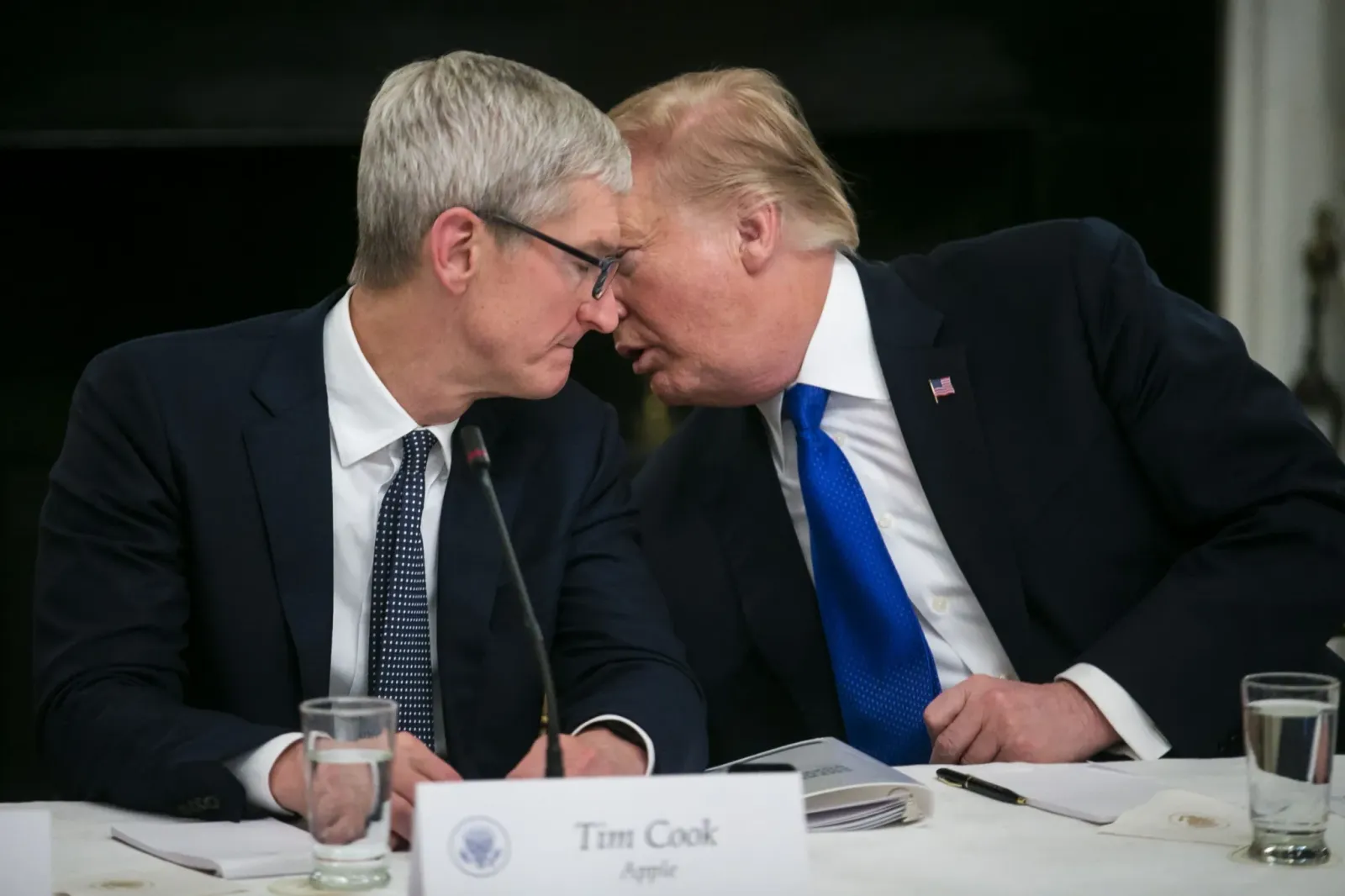
Tim Cook steps down as Apple CEO, stays on as chair with $45M equity
The 'Trump whisperer' keeps his White House and Beijing access as Apple navigates tariffs and a $4.6 trillion market cap.
Snowflake shares surge as AI data demand crushes estimates, lifting full-year forecast
Stocks jumped on stronger-than-expected guidance, signaling enterprise AI workloads are accelerating faster than Wall Street priced in.
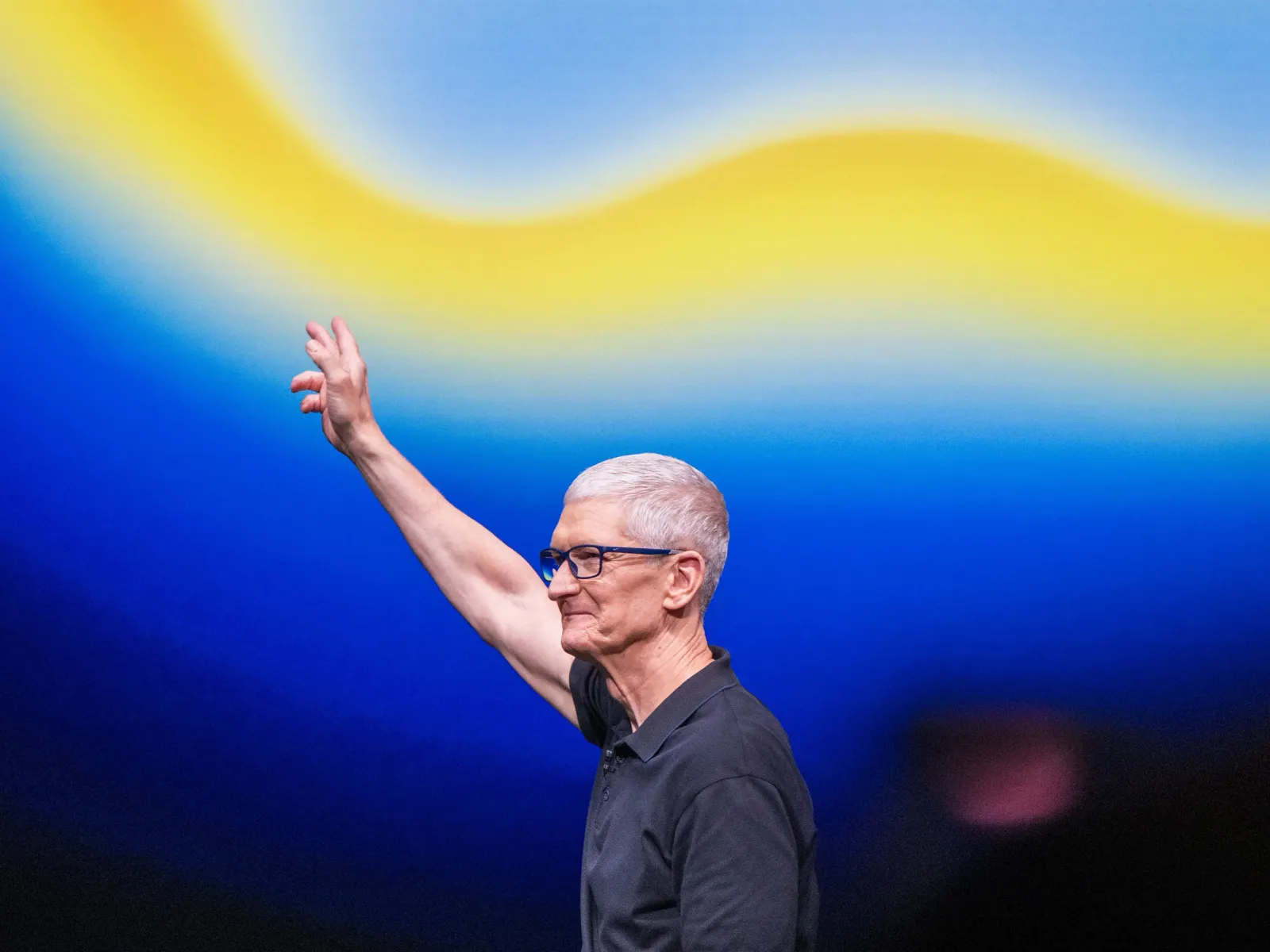
Tim Cook's 15-year Apple CEO run ends: 3 lessons for any successor
After 15 years, Tim Cook hands Apple to John Ternus - here's how he turned a $350B company into a $4.6T juggernaut.