

Xbox slashes jobs, pushes Obsidian to Fallout, and sidelines an Avowed sequel
The 25% Obsidian cut comes with a new directive: make Fallout first, and park other projects including Avowed 2.
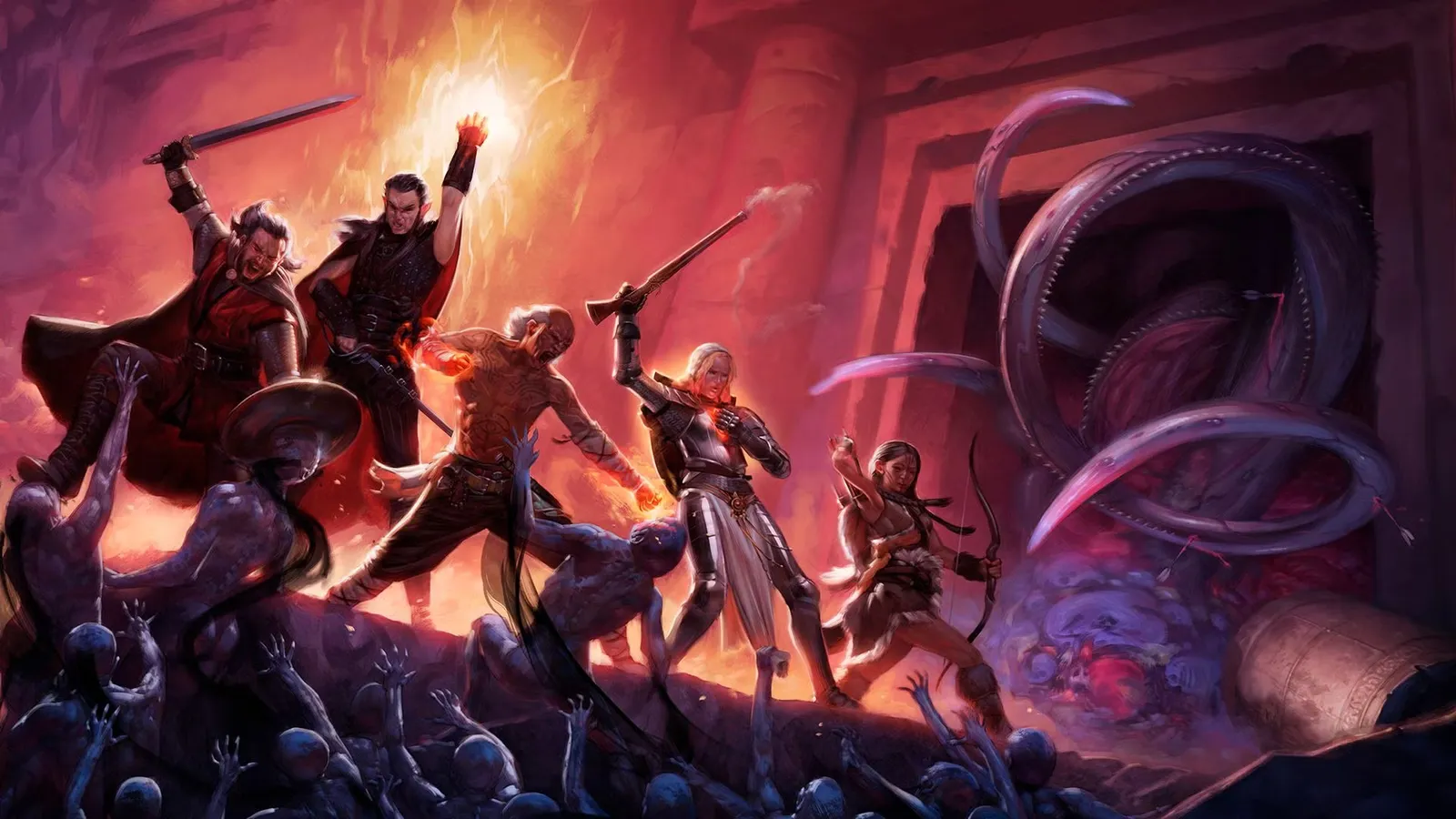
Xbox is overhauling its business and cutting 3,200 total jobs by next summer, which has already hit studios including Obsidian Entertainment. Obsidian reportedly lost 25% of staff in the first layoff wave and has been tasked to make a new Fallout game, pushing aside work on a sequel to 2025's Avowed.
Xbox's overhaul is already doing the thing executives fear most: turning strategy memos into studio-level surgery. This week, Xbox announced a sweeping business change that will cut 3,200 total jobs by next summer. Bloomberg reports the earliest wave has already gutted multiple Xbox-linked studios, including Id Software, and Obsidian Entertainment is a central example.
For Obsidian, the immediate consequence is blunt. During the first layoff wave, the studio reportedly lost 25% of its staff, as Xbox tightened and redirected its internal priorities. Bloomberg further reports that the remaining Obsidian team has been tasked with making a new Fallout game, with the directive reportedly pushing aside some projects, including a sequel to 2025's Avowed.
If you are a decision-maker watching this play out, the story is not just “companies cut jobs.” It is about what gets protected, what gets deprioritized, and how quickly the opportunity cost compounds. Obsidian is the kind of studio that typically lives on big RPG ambitions, deep systems, and player investment over time. When you take a chunk of talent out and then refocus the rest on a different flagship franchise, you are not only changing headcount. You are changing pipelines, risk profiles, and development calendars.
Xbox has been leaning harder on its biggest IPs for a reason that is hard to argue with on paper. The games industry is structurally expensive: development takes years, budgets keep swelling, and returns are increasingly concentrated among breakout titles. So when Xbox says it is tightening focus, it is essentially making a capital allocation choice. The company is betting that fewer, more predictable bets on top franchises will outperform a broader spread across multiple mid-to-high probability projects. The problem, as the Obsidian case shows, is that the projects that look “adjacent” at the portfolio level can be the exact ones that carry the most creative upside at the studio level.
The other non-obvious part is how these moves ripple through internal boards and external expectations. Studios like Obsidian do not operate in a vacuum. They are staffed and staffed again based on what leadership says it will fund next. A 25% staff reduction is the kind of operational shock that also signals to teams, partners, and even to future hiring markets that priorities have shifted. Once that signal is out, people plan around it, whether they should or not. That is why the reported directive matters: making a new Fallout game first likely changes who works on what, which teams get production time, and which designs get shelved versus iterated.
There is also a timing issue. Avowed is scheduled for 2025, which implies significant work is already underway to reach that window. If the sequel to Avowed is being pushed aside, that suggests Xbox is trying to re-route near-term momentum into Fallout. Second-order effect: the studio may end up spending more time retooling and less time compounding on the specific systems and narrative work already invested in Avowed’s universe. Even if the team is talented, switching franchise targets midstream can create hidden costs: new asset pipelines, different audience expectations, and new internal stakeholders who bring their own standards for what “good” looks like.
And this is why the cautionary tale extends beyond Xbox. For peers, the key lesson is portfolio discipline versus portfolio whiplash. Cutting 3,200 jobs by next summer is a scale move, and the reported results already include studios being “gutted.” That phrase is doing real work here, because it indicates not just reduced spend, but a loss of institutional capability. When you lose staff and then change the directive, you are not simply trimming costs. You are re-rolling the strategic deck, and every card you remove is one less attempt at the “next Baldur's Gate 3” kind of cultural hit that can define an entire platform cycle.
For executives in gaming, this is the moment to map incentives to outcomes: what happens when cost cutting and IP focus collide with long-cycle development? Bloomberg’s account suggests Xbox chose focus and speed, and Obsidian is paying the price with a 25% staff reduction and a reported pivot toward Fallout, while the Avowed sequel gets pushed aside. The strategic stakes are straightforward and high: when you tighten around biggest IPs, you can improve short-term control, but you risk killing the exact creative bets that make players take a platform personally.
This story's Key Insights and Take-aways are locked.
Create a free account to unlock Executive Actions for one credit.
Register to UnlockAlways free for Executives Club members. Join the Club
More in Entertainment

12TB Steam 'teraleak' goes beyond Valve: GTA 3, Mafia 2 prototypes exposed
A 12-terabyte dump of Steam data reveals prototypes and builds of third-party classics like GTA 3 and Mafia 2, plus unreleased Valve content, rewriting game history.

LinkedIn's romance problem: 1 in 4 workers say dating on it is fair game
A new survey shows a quarter of U.S. employees treat the professional network as fair game for romance, even as LinkedIn bans it and removes hundreds of thousands of offending posts.

Enhypen's first No. 1 album breaks K-pop's Billboard 200 streak
The K-pop group's 98,000-unit debut tops the chart while Dolly Parton's catalog reentry shows how death reshapes streaming.