

XCOM and Gloomhaven creators argue video game-tabletop licensing can stabilize a sinking industry
When layoffs hit studios and tariffs squeeze supply chains, cross-medium collabs offer a more reliable path to revenue.
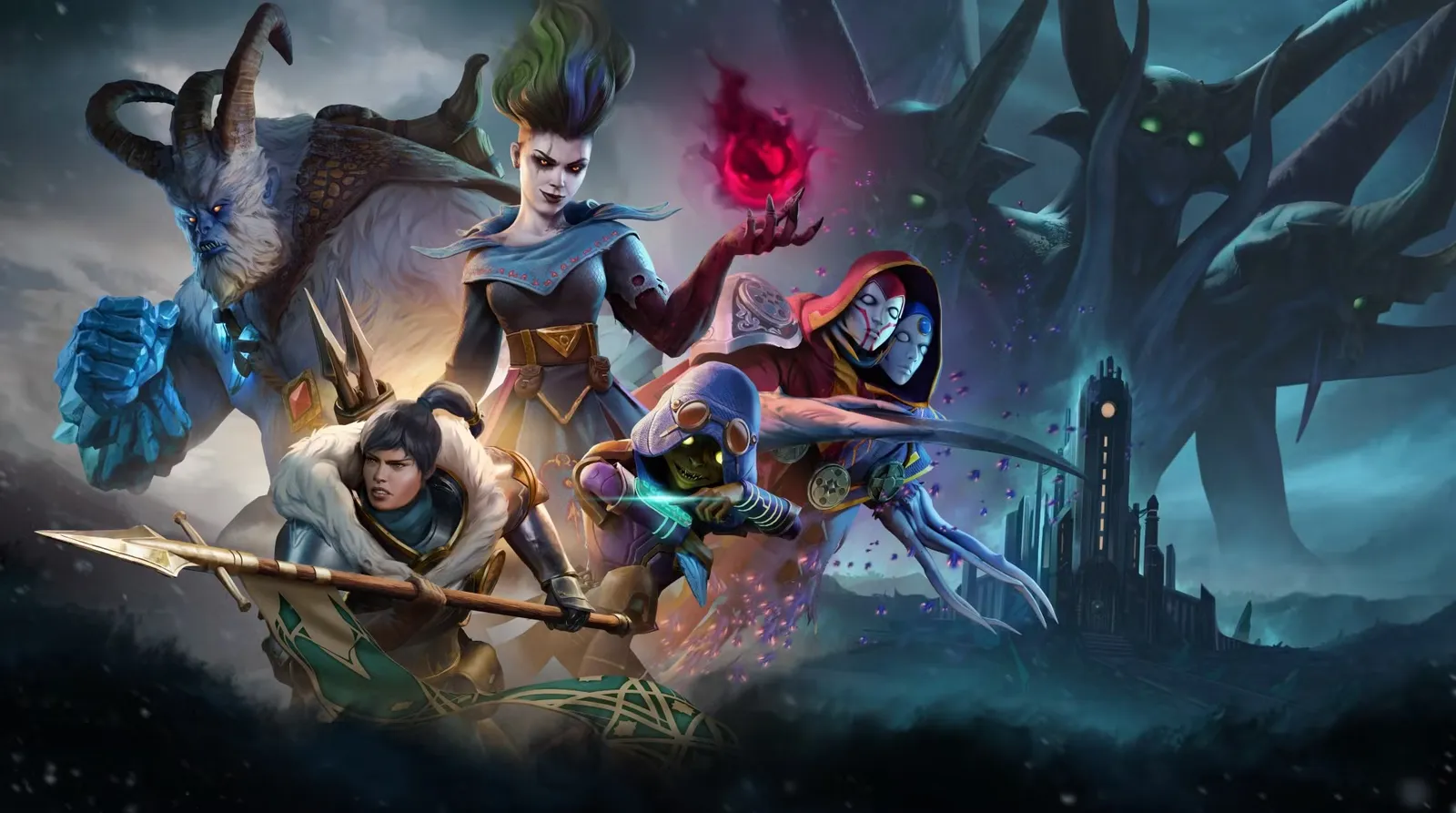
Creators behind XCOM and Gloomhaven say collaborations between video games and tabletop games can help both industries survive. For decision-makers, the implication is clear: licensing fees plus built-in audiences may reduce financing risk when traditional funding dries up.
The video game and tabletop industries are both bleeding talent and confidence right now, and the people behind XCOM and Gloomhaven think the cure is unglamorous but powerful: treat collaboration as a business model, not a novelty. Their argument comes as the broader market keeps flashing red. In video games, layoffs at Xbox triggered additional cuts at studios Microsoft ditched, Bungie reduced staff right after releasing its final update for Destiny 2, and Epic Games cut 1,000 employees in March as Fortnite engagement weakened. In tabletop, the pressure is different but the story is the same: publishers and production pipelines are struggling, with Paizo restructuring after book distributor Diamond Comics declared bankruptcy, and CMON reporting layoffs while citing rising tariffs as it struggled to fulfill crowdfunding campaigns.
So when creators talk about “saving the industry,” they are not talking about vague optimism. They point to concrete mechanics that can make development less fragile: a more predictable route to building games, a built-in audience that already exists across both mediums, and licensing fees that can provide lifelines when cash flow is under stress. The timing matters because the financing problems are not theoretical. Even projects with real audience traction have still hit walls. The cancellation of Plaid Hat’s The Monolith and the Altered expansion Roots of Corruption happened even after they achieved their crowdfunding goals, a detail that underscores how capital and delivery risk can overwhelm demand.
This is the part executives should not gloss over: crowdfunding success does not automatically mean operational success. CMON’s situation, where rising tariffs made it harder to fulfill crowdfunding campaigns, shows how external costs can turn a well-funded plan into a delivery problem. Diamond Comics’ bankruptcy and Paizo’s subsequent restructuring show that even if a publisher has product ready, distribution can disappear. Translating that to video games, the same principle applies through studio capacity. If a platform owner or publisher decides to cut, production schedules and staffing stability can collapse quickly, which is what the Xbox-linked layoffs and the Bungie and Epic cuts collectively demonstrate.
In that environment, cross-medium collabs change the risk profile. Video games and tabletop games share more than vibes. They also share communities that understand rules, progression, and long-term engagement. The creators behind Gloomhaven and XCOM are essentially betting that these audiences can travel with the product, shrinking the guesswork that often dominates marketing spend. Instead of starting from a blank slate every time, a collaboration can leverage an existing fanbase that already knows what the franchise promise means, whether it’s represented on a screen or at a table.
There is also a licensing angle that matters more when boards get nervous. In general, licensing fees can convert uncertainty into a clearer revenue stream, especially compared to models that rely heavily on speculative upside from purely original IP or purely ad-driven discovery. When layoffs are happening and costs are rising, decision-makers tend to ask the same question: how do we fund the next cycle without betting the company on perfect timing? Licensing and built-in audiences do not eliminate risk, but they can reduce the variance. That reduction is not academic. It is the difference between being able to keep shipping when a launch underperforms versus having to pause or cancel projects when financing constraints tighten.
The cancellations mentioned in the source are the most direct warning sign. The Monolith and Roots of Corruption both saw their projects canceled even after crowdfunding goals were met. That suggests the bottleneck was not just consumer appetite. It was the funding and operational mechanics required to go from pledge to delivery. In tabletop, tariffs and distribution disruptions can add friction. In video games, staffing cuts can slow development or shorten production timelines. A licensing-driven collaboration between video games and tabletop could help route around some of that friction by aligning incentives earlier, spreading the go-to-market plan across communities, and potentially creating revenue streams that arrive from partnerships rather than waiting entirely on sales execution.
Second-order, this also affects who is willing to say yes inside companies. When a studio or publisher is cutting costs, leadership becomes more conservative about “long incubation” projects. Cross-medium collabs are easier to justify when the business case includes recognizable audience demand plus licensing economics. For boards, that translates into fewer uncomfortable questions like “Will we still be funded when this finishes?” and more manageable ones like “Which partner structure best reduces delivery and launch risk?” For executives, the strategic stakes are simple: if layoffs and financing problems persist, the winners will be the teams that can secure development continuity through partnerships that share risk and bring customers pre-seated.
This story's Key Insights and Take-aways are locked.
Create a free account to unlock Executive Actions for one credit.
Register to UnlockAlways free for Executives Club members. Join the Club
More in Business

Anthropic’s Levant Alpöge cracks the Jacobian conjecture after 87 years
A Harvard valedictorian used Claude to hit a 1939 breakthrough, but the missing “why” is the real problem.

Uber buys Delivery Hero for nearly $15B, vaulting to top food delivery outside China
The deal doubles Uber's dual-services footprint and pushes a ride-and-eats bundling play into 50 more markets.

Epic and Google drop settlement bid, forcing rival Android app stores by July 22
Google told the court it is ready to carry third-party app stores starting Wednesday, July 22.