

Xinzhou Wu says Nvidia must win compute wars with its own AI customers
Nvidia’s head of automotive argues the software-defined vehicle is here, even as capacity gets stolen by AI.
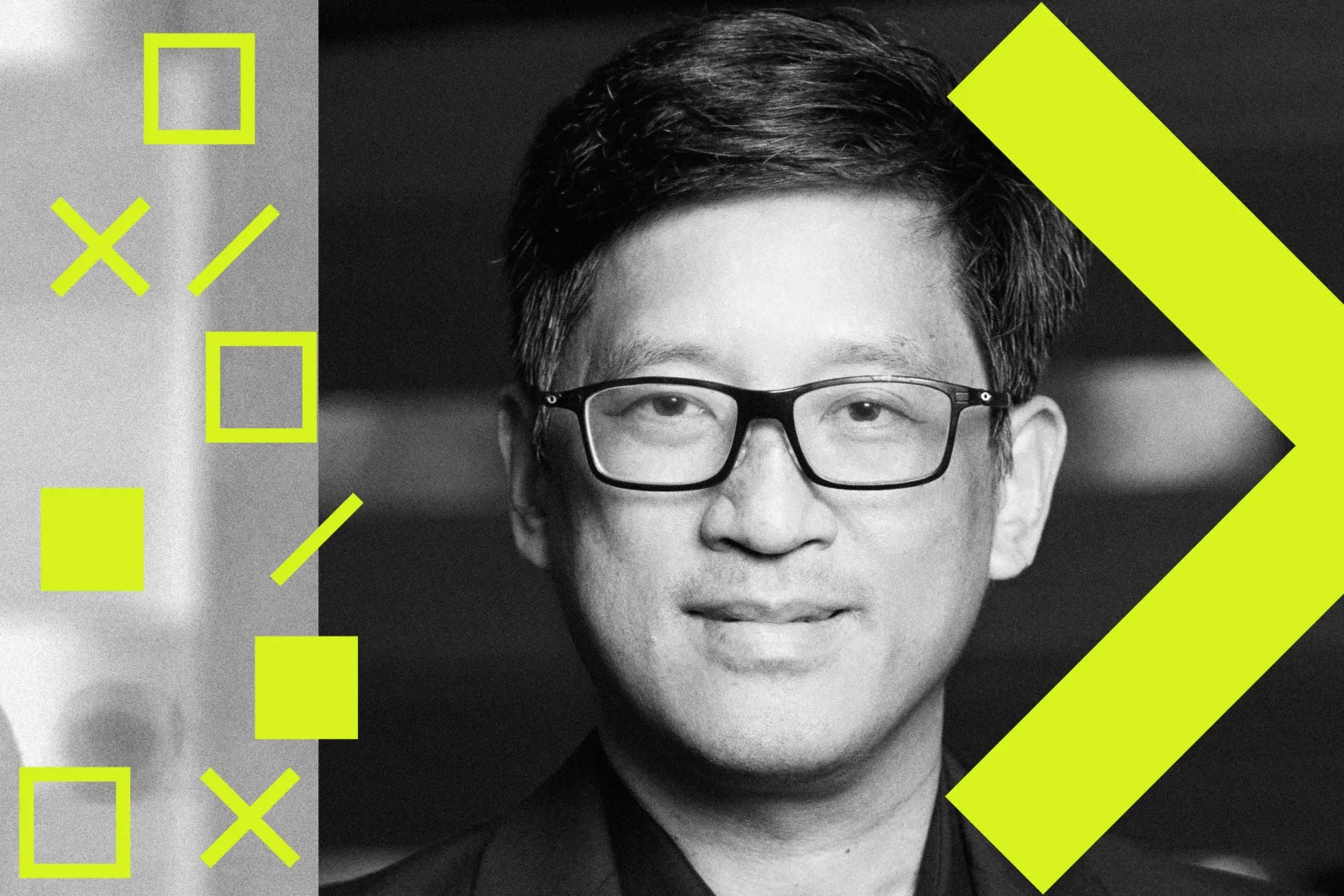
Xinzhou Wu, Nvidia’s head of automotive, says the industry is moving from “software-defined vehicle” to an “AI-defined vehicle” by rewriting car software with generative AI. For automakers and investors, that shift also turns the biggest constraint into a business one: securing centralized compute when Nvidia’s AI boom fights for the same capacity.
Xinzhou Wu, Nvidia’s head of automotive, walks right into the obvious contradiction of the moment: the company powering the AI arms race also supplies the brains inside modern cars. And according to Wu, that means he has to “compete for resources and capacity” against Nvidia’s booming AI business, even when automakers are slow and cost-averse. In other words, the compute race is not just about driving performance. It’s about who gets the chips and systems that make autonomy possible.
That tension sits underneath Wu’s bigger claim about where the car industry is headed. He argues the “software-defined vehicle” era is basically arriving, then rapidly upgrading into what Nvidia calls an “AI-defined vehicle.” The software-defined vehicle idea, as Wu puts it, is a shift away from many separate electronic control units (ECUs) toward one or two centralized compute centers running more of the car’s functions. Wu says generative AI now pushes that further by using AI to “rewrite most of the software in the car,” accelerating vehicle capability and changing how the industry defines what a car is in the first place.
Why does this matter right now? Because the transition is colliding with pressure on multiple fronts at once. The interview frames the US EV market as “fully off track,” with self-driving still stuck trying to solve the “final 20 percent of situations.” Meanwhile, cars are getting more expensive as inflation and rising energy prices squeeze consumers. Put together, that’s a brutal environment for long development cycles and big bets that have to pay off late. Central compute is meant to be a way through the maze, because fewer architectures means faster upgrades and less duplication across hardware and software.
Wu’s background helps explain his confidence. He worked in Qualcomm’s automotive team, then spent five years at a Chinese OEM, heading an autonomous driving team, before joining Nvidia. In his view, he got to witness how fast the architecture debate can flip when the competitive bar rises. He says the industry in China went through a “massive change just in five years,” from 2018 to 2023, where both new and legacy OEMs had to adapt to a “single central compute kind of electrical architecture” to compete.
This is where the conversation becomes less motivational and more scoreboard-like. Wu contrasts the startup and legacy approaches to central compute. He says the newer auto OEMs reached a point where they could credibly claim a software-defined vehicle with “one or two big computers in the car controlling every system.” By contrast, legacy automakers “for the most part have not succeeded yet,” though he notes an asterisk on Ford and says the industry does not yet know whether Ford’s effort will work. He also highlights the risk of waiting too long to standardize: if software becomes the product, then the architecture becomes the factory, and capacity becomes the bottleneck.
Nvidia’s place in this is strategic and very practical. Wu says that through Nvidia’s Drive and Drive autonomous vehicle collaboration with Mercedes, Mercedes’s “current generation” uses an “essential computer-based architecture” that will appear across future vehicles. For other OEMs, Wu describes Nvidia working with them to convert or upgrade architectures to the “one or two computers route” so the same centralized platform can handle infotainment, basic driving, advanced driver assistance systems (ADAS), and ECU functions. The point is not just reducing complexity. It is enabling software to evolve without requiring the kind of hardware redesign cycles that slow everything down.
Now, overlay the compute competition with the generative AI boom and you get the part Wu does not dress up. Nvidia is simultaneously chasing demand from the AI market and selling into automakers. Wu says his “three years” at Nvidia have been a “rapid learning experience,” and that winning the arguments for resources looks like understanding what convinces both sides. He says the “customers” in automotive are “slow and cost-averse,” so the bar for capacity commitments is higher. Even when the auto roadmap depends on those commitments, the AI roadmap can crowd it out.
Finally, Wu connects the architecture story to the autonomy story. He says Nvidia’s approach brings together what he calls the “classical” stack and the ability for “reasoning models” to operate the car. In that framing, the system is not just perception and control. It is also reasoning, including the idea of an AI model “talking to itself” to figure out how to drive. The interview also turns directly to Tesla and Elon Musk claims about full self-driving without lidar, with Wu answering when asked whether Tesla can do what Musk claims without lidar. The takeaway for peers is less about who is right on lidar and more about the reality that autonomy is becoming compute and software architecture problems, not just sensor or algorithm problems.
For executives, the strategic stake is straightforward: if the industry is moving toward centralized, AI-defined vehicle compute, then the winners will be the ones that secure the compute supply chain and architecture decisions in time. Wu’s account makes that supply chain about more than engineering. It is about capacity arguments inside Nvidia at the same moment when automakers are under consumer and regulatory pressure to move faster.
This story's Key Insights and Take-aways are locked.
Create a free account to unlock Executive Actions for one credit.
Register to UnlockAlways free for Executives Club members. Join the Club
More in Technology

Google quietly links your phone number to every Android account on your SIM
Adding a SIM now ties your phone number to all Google accounts - and future accounts inherit it. Here's the security and privacy stakes.

Hijacker AI 'Skynet mode' runs 100,000 attack steps against exposed models
Symantec caught a criminal AI agent that borrows other models, steals data, and mines crypto; the only relief is no confirmed victims yet.

Nvidia's AI-financier shift faces its first big test as neoclouds stumble
A rout in neocloud stocks is forcing investors to weigh Nvidia's hidden exposure as both supplier and lender to the AI buildout.