

Xpeng, Nio, Li Auto slide in July as China EV demand softens
Three premium EV makers reported month-on-month declines, reviving fears of another brutal China price war.
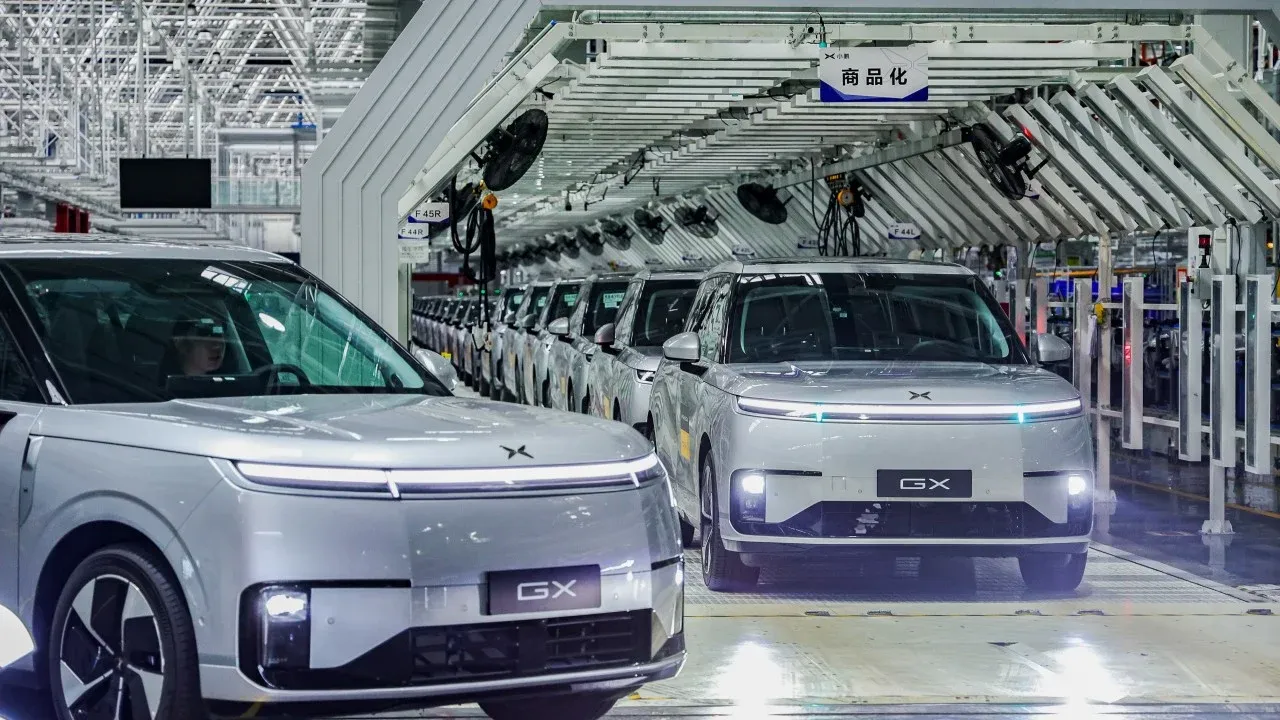
Xpeng, Nio, and Li Auto all reported weak July sales and month-on-month declines, as demand for “intelligent cars” weakened amid economic slowdown in mainland China. For decision-makers, the immediate risk is margin compression and faster market share battles as incentives turn into pricing pressure.
China’s premium EV market just sent another loud signal that “peace” is not the default setting. After three carmakers in the intelligent EV segment reported woeful July sales figures, bearish sentiment intensified and the market started circling a familiar threat: another brutal price war. The common thread across the names is not a niche product failure. It is demand softening, and it shows up in month-on-month declines as customers pull back.
The headline numbers that matter most are the month-to-month drops reported for July. Xpeng delivered 38,027 vehicles to customers in July, down 5.2% from June. Xpeng’s result fits a broader pattern. The sector news also notes that Nio and Li Auto reported month-on-month sales declines in July as well, pointing to weakening demand for intelligent cars across the premium EV crowd, not just one company’s execution.
Why this is such a big deal is how quickly pricing dynamics can shift when demand cools. In a market where many players are selling vehicles that promise similar high-level features, the buyer’s decision often comes down to price, promotions, and perceived value. When sales slip, companies face a brutal operational math problem: fixed costs do not shrink because demand softened, but revenue does. The typical response is to add incentives. Over time, incentives can become embedded into the baseline transaction price. That is where “price war fears” turn from a headline phrase into a margin problem.
The source frames the demand slowdown as tied to mainland China’s broader economic slowdown. That matters because consumer confidence tends to be a leading indicator for discretionary purchases like cars, especially premium ones. When the macro backdrop deteriorates, even customers who like the tech can delay a purchase. For intelligent EV makers, that delay is more painful because the market is also judged on software features, ongoing improvements, and a narrative of forward momentum. If the narrative pauses, the commercial leverage moves toward buyers and away from sellers.
There is also a strategic timing angle for boards and investors. July sales are not just “one month.” They are a real-time scorecard that can influence how aggressively firms plan for the next quarter. If multiple premium EV brands report declines together, it can squeeze each company’s internal options. Cutting production or slowing spend may help cash flow, but it can also reduce marketing reach and product pipeline momentum. Betting bigger on demand can work only if the market meaningfully re-accelerates. When the source points to market-wide softening for intelligent cars, that second bet gets riskier.
For Xpeng, Nio, and Li Auto, the month-on-month declines are also a warning about competitive posture. Premium EV makers are not insulated from each other. They compete for similar customers, share similar messaging themes, and often face overlapping financing and incentive tactics. If three competitors are seeing the same demand pressure, the temptation is to respond with stronger offers to win customers in the short run. But the second-order effect is that when every company offers a bigger discount, the industry can end up selling more units, not at better profits. That is the classic setup for a price war: a race to protect volume that quietly erodes profitability across the board.
Regulatory and policy expectations can complicate the calculus too, even when the immediate story is sales figures. China’s EV sector has long been shaped by government industrial priorities, which can shift over time toward newer technology, charging infrastructure, or production standards. When demand dips and competition intensifies, firms tend to focus on staying within the rules while chasing commercial momentum. Boards then face a familiar tradeoff: invest to meet evolving expectations while also protecting margins during a demand slump.
The strategic stakes for executives are straightforward. If the market is headed for another brutal price war, then the winner is not necessarily the company with the flashiest tech. It is often the company with the most resilience: stronger unit economics, better ability to withstand incentive escalation, and credibility with customers so discounts do not become the only reason to buy. Xpeng’s July delivery figure of 38,027 vehicles, down 5.2% from June, is the most specific datapoint provided here, but it sits inside a broader July pattern that also includes Nio and Li Auto reporting month-on-month declines. If you lead one of these firms, the question is not whether demand is softening. It is how quickly pricing pressure spreads once multiple premium players confirm the same trend.
This story's Key Insights and Take-aways are locked.
Create a free account to unlock Executive Actions for one credit.
Register to UnlockAlways free for Executives Club members. Join the Club
More in Business

Anthropic’s Levant Alpöge cracks the Jacobian conjecture after 87 years
A Harvard valedictorian used Claude to hit a 1939 breakthrough, but the missing “why” is the real problem.

Uber buys Delivery Hero for nearly $15B, vaulting to top food delivery outside China
The deal doubles Uber's dual-services footprint and pushes a ride-and-eats bundling play into 50 more markets.

Epic and Google drop settlement bid, forcing rival Android app stores by July 22
Google told the court it is ready to carry third-party app stores starting Wednesday, July 22.