
Xpeng's robotics unit raises $900M to out-Tesla in embodied AI
The EV maker's Dogotix unit banks a record robotics round from Alibaba and IDG, valuing it at $6.3B - even as core auto losses widen.
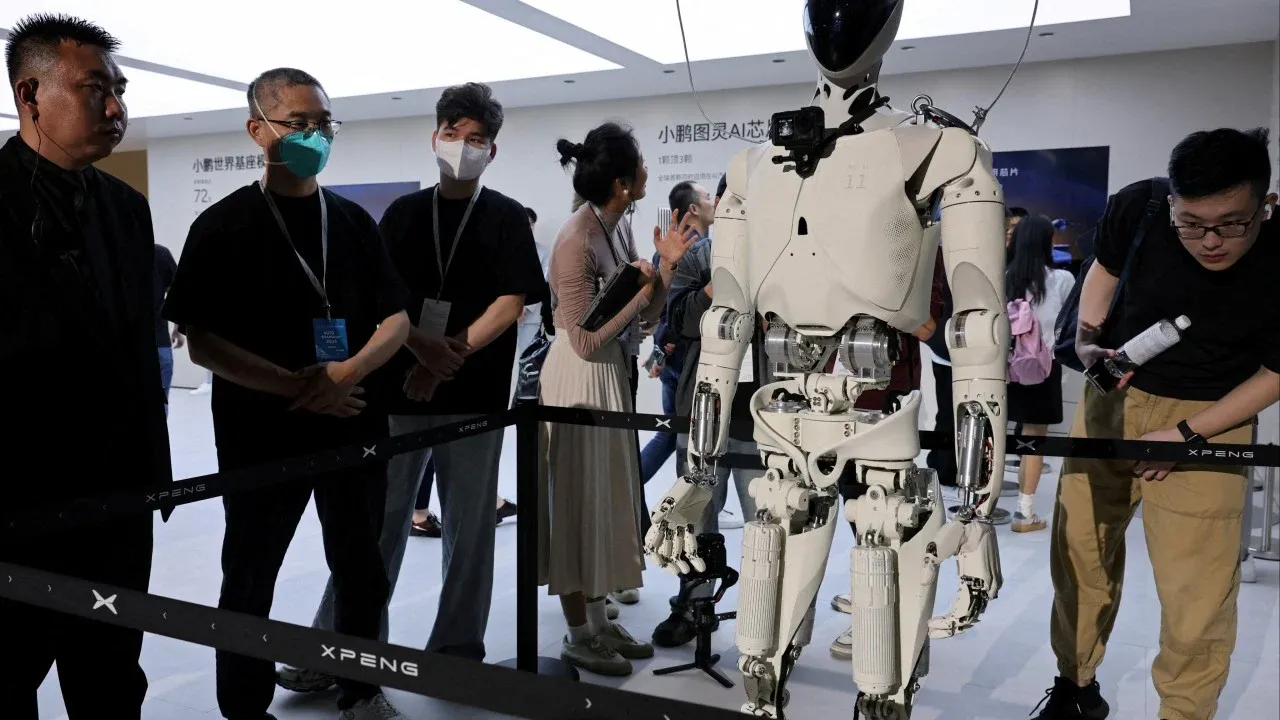
Xpeng's robotics subsidiary Dogotix raised $900M from Alibaba and IDG Capital, valuing the unit at $6.3B. The funding arms Xpeng to compete directly with Tesla in embodied AI, while its core EV business posts a deepening second-quarter loss.
Chinese EV maker Xpeng just drew a $900 million line in the sand against Tesla - but not in cars. Its robotics subsidiary, Dogotix, closed a funding round from heavyweight investors Alibaba and IDG Capital that values the unit at $6.3 billion, the company said Monday. That makes it the largest single private-equity deal ever struck with a Chinese robotics maker, a record that lands as Xpeng's core EV business bleeds red ink. The message is unmistakable: Xpeng is betting its future on embodied AI - machines that can think, move, and act in the physical world - and it is pulling some of China's most powerful capital along for the ride. For anyone watching the race to put humanoid robots in warehouses, factories, and homes, this is the loudest funding signal yet that the fight is no longer just about batteries and steel. It is about computing power, perception systems, and the software stacks that turn robots into intelligent workers. Xpeng has essentially said: Tesla is not the only one chasing a humanoid future; we are coming for the same prize, and we have the checkbook to prove it. The $6.3 billion valuation is a stamp of investor belief in that vision, especially at a moment when Xpeng's EV division is reporting deeper quarterly losses. For a company that has spent years fighting for share in China's brutally competitive auto market, this move is a deliberate hedge - a bet that the next decade's growth will come on legs, not just wheels. Embodied AI is not a sidelines project. It is the frontier that industry watchers have pointed to as the logical next step after large language models: giving AI a physical body. Tesla's Optimus robot, showcased repeatedly by Elon Musk, has dominated that narrative in the West. Now Xpeng - via Dogotix - is signaling it intends to be the Chinese counterweight mathematics. The funding round, the largest private-equity deal in China's robotics sector, cements Dogotix's position as a serious contender, not a side experiment. The timing is notable. Xpeng reported a widened net loss for the second quarter, a stark reminder that its core automobile business is still burning cash as it scales. Yet investors like Alibaba and IDG are doubling down on the robotics arm. That suggests they are pricing in a future where Xpeng's valuation hinges less on vehicle sales and more on its ability to commercialize embodied AI. Alibaba's participation is particularly telling: the e-commerce giant has been building out its own warehouse automation and last-mile logistics, and a stake in a robotics maker gives it a front-row seat - and potentially preferred access - to next-generation machines. IDG, a longtime tech investor, adds credibility and a global network. The $900 million infusion gives Dogotix the war chest to hire top robotics engineers, secure supply chains for actuators and sensors, and scale production from prototypes to practical deployments. For context, this is roughly the size of many late-stage funding rounds in the autonomous-driving sector, but the addressable market for embodied AI - from manufacturing to elder care - is arguably larger flag. Still, the path is steep. Tesla's Optimus has generated massive buzz but has yet to achieve mass deployment. Xpeng's advantage could be its manufacturing experience: building cars at scale teaches you how to manage supply chains, quality control, and cost reduction - transferable skills for building humanoid robots. Yet the widening EV losses raise a critical question: can Xpeng sustain this dual-track strategy? The robotics unit will need to generate revenue before the car business stabilizes, or Xpeng will face the classic dilemma of a multi-frontier company with limited capital. The deal also signals a broader shift in China's tech investment landscape. For years, the funding headlines were dominated by AI models and autonomous driving; now, embodied AI is taking the baton. Beijing has been actively championing robotics as a strategic industry, with local governments offering subsidies and pilot programs for humanoid robots in factories. Xpeng's record round could trigger a wave of follow-on investments in Chinese robotics startups, as VCs scramble to back the next Dogotix before valuations climb further. For founders and operators, the lesson is stark: the capital is moving toward physical AI, and the players who can demonstrate both a vision and a production path will command premium valuations. For those competing with Xpeng, this round raises the bar on execution speed. The implied valuation of $6.3 billion means Dogotix will be measured against the most ambitious robotics roadmaps in the world. If it stumbles, the fall will be just as visible as the raise. But if it delivers even a fraction of what the funding implies, Tesla's lead in embodied AI may not be as safe as it looks. The race is no longer just about who builds the smarter robot; it is about who can mass-produce it at a cost the market will accept. Xpeng just bought itself a seat at that table. The real question is whether it can convert cash into a product that out-innovates, out-prices, and out-executes the field - and do it before the next funding round becomes a necessity rather than a choice.
This story's Key Insights and Take-aways are locked.
Create a free account to unlock Executive Actions for one credit.
Register to UnlockAlways free for Executives Club members. Join the Club
More in Business
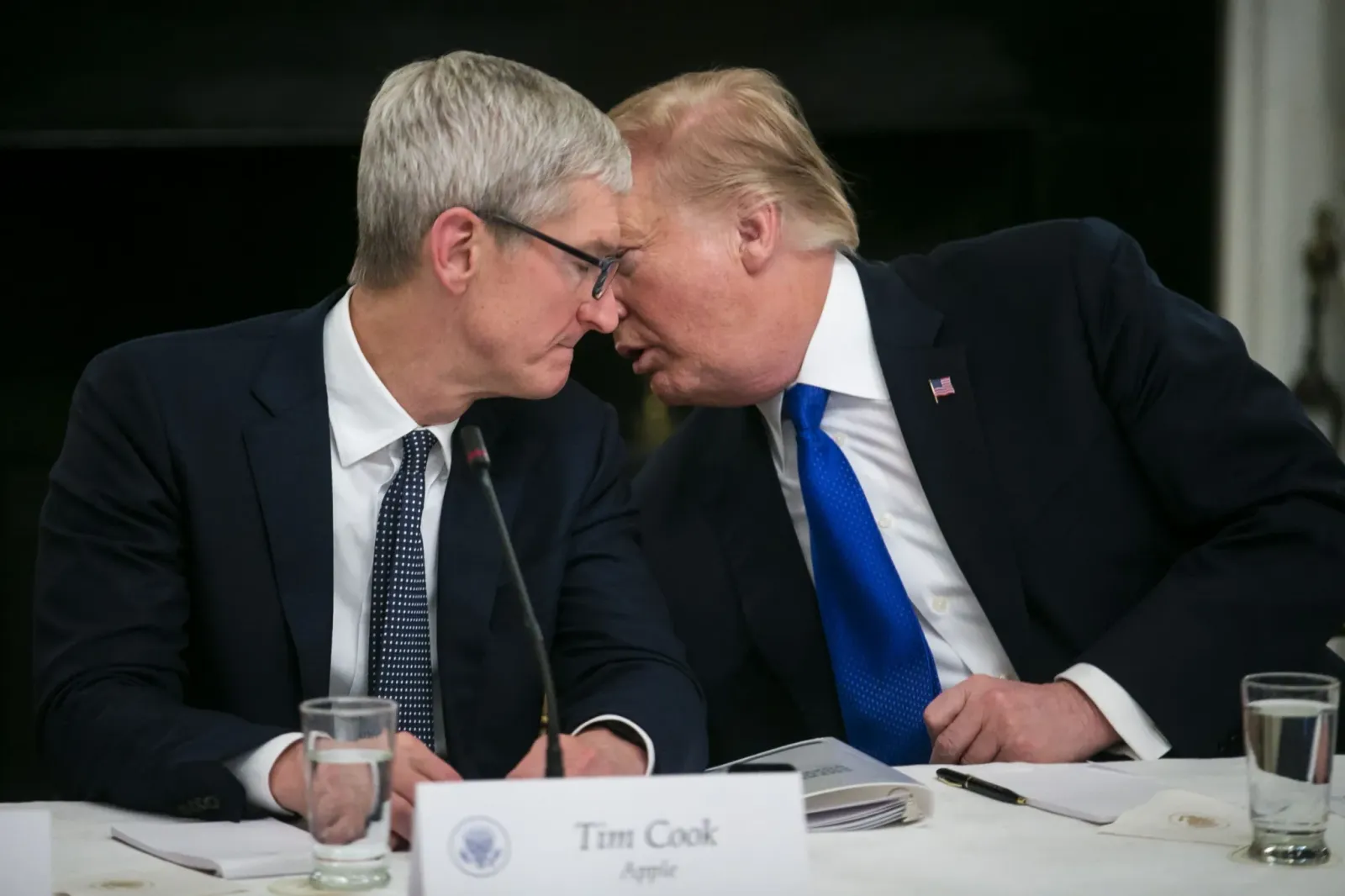
Tim Cook steps down as Apple CEO, stays on as chair with $45M equity
The 'Trump whisperer' keeps his White House and Beijing access as Apple navigates tariffs and a $4.6 trillion market cap.
Snowflake shares surge as AI data demand crushes estimates, lifting full-year forecast
Stocks jumped on stronger-than-expected guidance, signaling enterprise AI workloads are accelerating faster than Wall Street priced in.
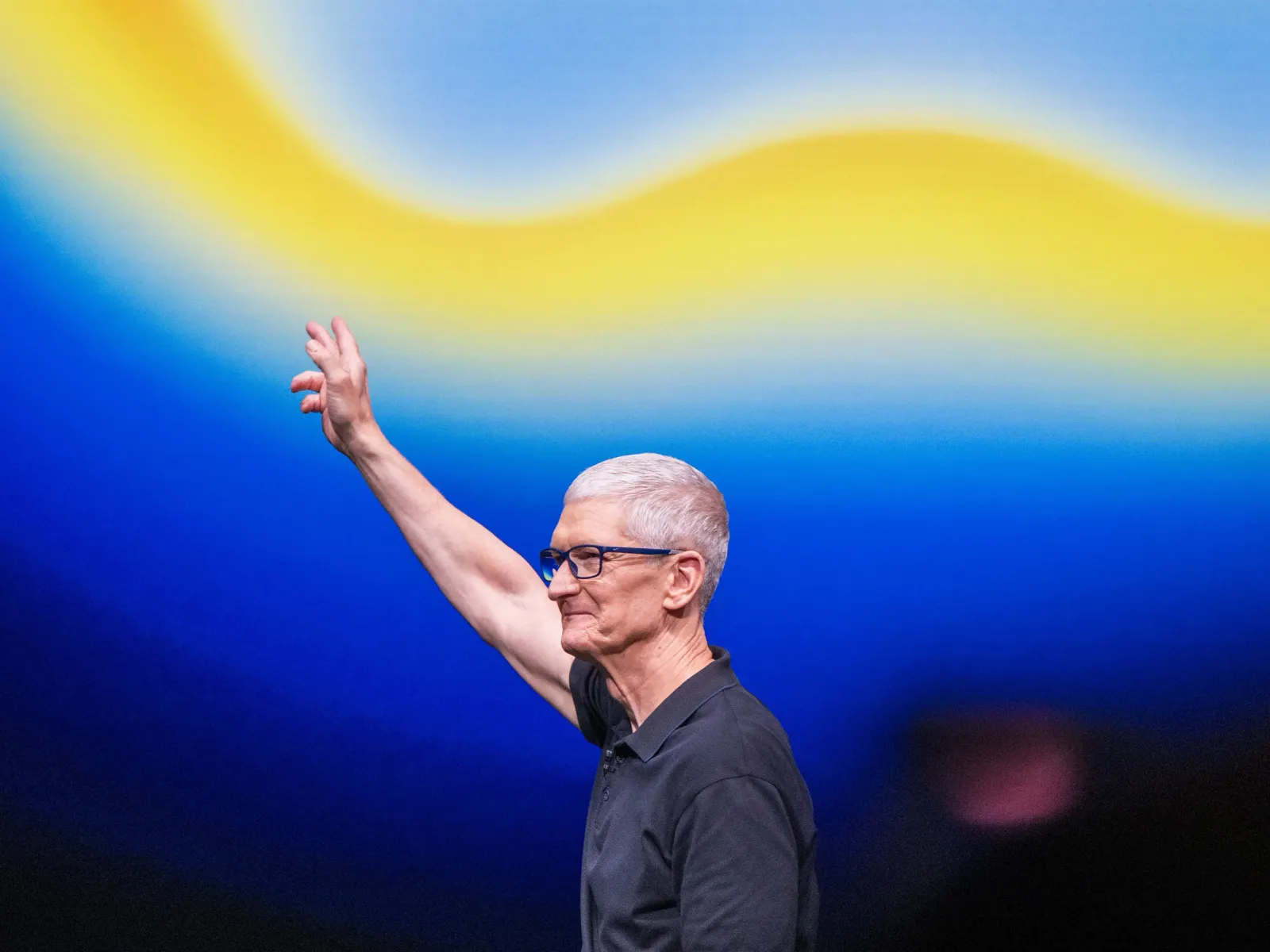
Tim Cook's 15-year Apple CEO run ends: 3 lessons for any successor
After 15 years, Tim Cook hands Apple to John Ternus - here's how he turned a $350B company into a $4.6T juggernaut.