

Yash Raj Films invests in Rusk Media’s Alright! TV to chase Gen Z vertical
Bollywood’s biggest studio backs a digital-first Gen Z and Gen Alpha platform, without disclosing terms, signaling a push into India’s vertical economy.

Yash Raj Films has made a strategic investment in Rusk Media, the digital-first entertainment company behind Alright! TV. For decision-makers, the move is a signal that vertical entertainment and audience-first original content are becoming board-level priorities in India.
Yash Raj Films has made a strategic investment in Rusk Media, the digital-first entertainment company behind the Alright! TV platform. Financial terms were not disclosed. The point is not subtle. This is Yash Raj Films, a Bollywood heavyweight, putting money behind an original-content platform built for Gen Z and Gen Alpha, while it tries to establish a foothold in India’s fast-growing vertical content economy.
For executives watching the media landscape, this matters because “vertical entertainment” is no longer a side project, it is the battleground for attention. Alright! TV is positioned around audiences defined by viewing habits and platforms, not just stars and genres. By backing Rusk Media, Yash Raj Films is effectively choosing a route where distribution and formats are shaped for younger cohorts from the start, not retrofitted after the fact. And since the investment terms are undisclosed, the strategic intent carries more weight than the number.
Zoom out and the incentives get clearer. The economics of attention are brutal: audiences fragment, switching costs are low, and algorithms reward consistency. Vertical platforms tend to win by building repeatable content pipelines tailored to a specific viewer profile, often across multiple short-form or episodic formats. That is a different operating system than traditional film and TV models, where a smaller number of big releases can carry a year, and audience targeting is more indirect. When a legacy studio invests in a digital-native company like Rusk Media, it is not just buying a stake. It is trying to borrow speed and learning loops from a business built for the present-tense entertainment market.
Rusk Media’s identity is key here. The source describes it as digital-first, and it specifically calls out Alright! TV as a platform specializing in original content for Gen Z and Gen Alpha. Those are not just demographic labels. They imply different content requirements, such as how quickly a show needs to find its audience, how creators respond to engagement signals, and how merchandising or fandom can extend beyond screens. In many markets, younger audiences are also more likely to discover content via recommendations, communities, and platform-native discovery. That shifts the leverage away from traditional broadcast relationships and toward creative output plus platform distribution.
There is also a governance angle that boards will care about. Strategic investments in startups or digital-first operators often come with expectations that are not strictly financial. Even when funding is structured as equity, a legacy brand can bring production capabilities, IP, and distribution relationships. In return, the digital operator can contribute an audience and a format playbook. The collaboration described in the source suggests Yash Raj Films is not going around Rusk Media, it is aligning with it. For boards, that means diligence on integration risk becomes as important as diligence on growth.
Regulatory framing, in broad terms, also matters for anyone allocating capital in India’s media ecosystem. India has an evolving set of rules and oversight mechanisms that cover media content platforms and their distribution. While the source does not discuss specific regulations tied to this deal, the broader environment influences how companies structure content, approvals, and risk management. Vertical-first platforms typically try to move quickly, but they still need compliance workflows that can scale with content volume. When a studio like Yash Raj Films pairs up with a digital-first operator, it can help de-risk those workflows, especially for original programming.
Second-order effects are where the real boardroom value shows up. If Yash Raj Films, a brand synonymous with mainstream Indian cinema, backs a Gen Z and Gen Alpha vertical platform, it can pressure other studios and media groups to accelerate similar moves, even if they do not disclose their strategies as clearly. It also raises the competitive bar for creator platforms. Once legacy players show they will fund digital-native entertainment, independent operators have a new negotiating landscape: higher expectations, tighter partnerships, and greater scrutiny on audience metrics. In other words, this is not just a “studio investing in a startup” story. It is a signal that the vertical content economy in India is attractive enough to pull in premium capital.
If you are a founder, investor, or operator in adjacent media categories, the stake is straightforward: where attention goes, distribution and capital follow. For Yash Raj Films and Rusk Media, the investment and collaboration are a bet that original content built for younger cohorts can scale in a vertical environment. For everyone else, the warning is that “legacy” does not automatically mean “stays in charge.” The winners are likely to be the studios and platforms that can combine brand power with the speed and audience intimacy of digital-first execution.
This story's Key Insights and Take-aways are locked.
Create a free account to unlock Executive Actions for one credit.
Register to UnlockAlways free for Executives Club members. Join the Club
More in Business

A flaw in PHP just forced governments to pull their own sites offline
European agencies from Belgium to Germany took websites dark to patch a critical weakness in the language behind almost 70% of the web, and the blast radius extends far beyond government portals.
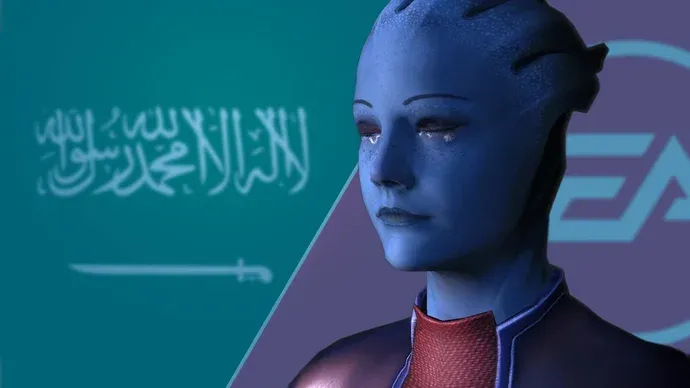
BioWare shuts down, Mass Effect 5 dead after $55B EA buyout
The legendary RPG studio's closure lands months after a $55 billion investment group buyout of EA, raising tough questions for gaming's biggest acquirers.
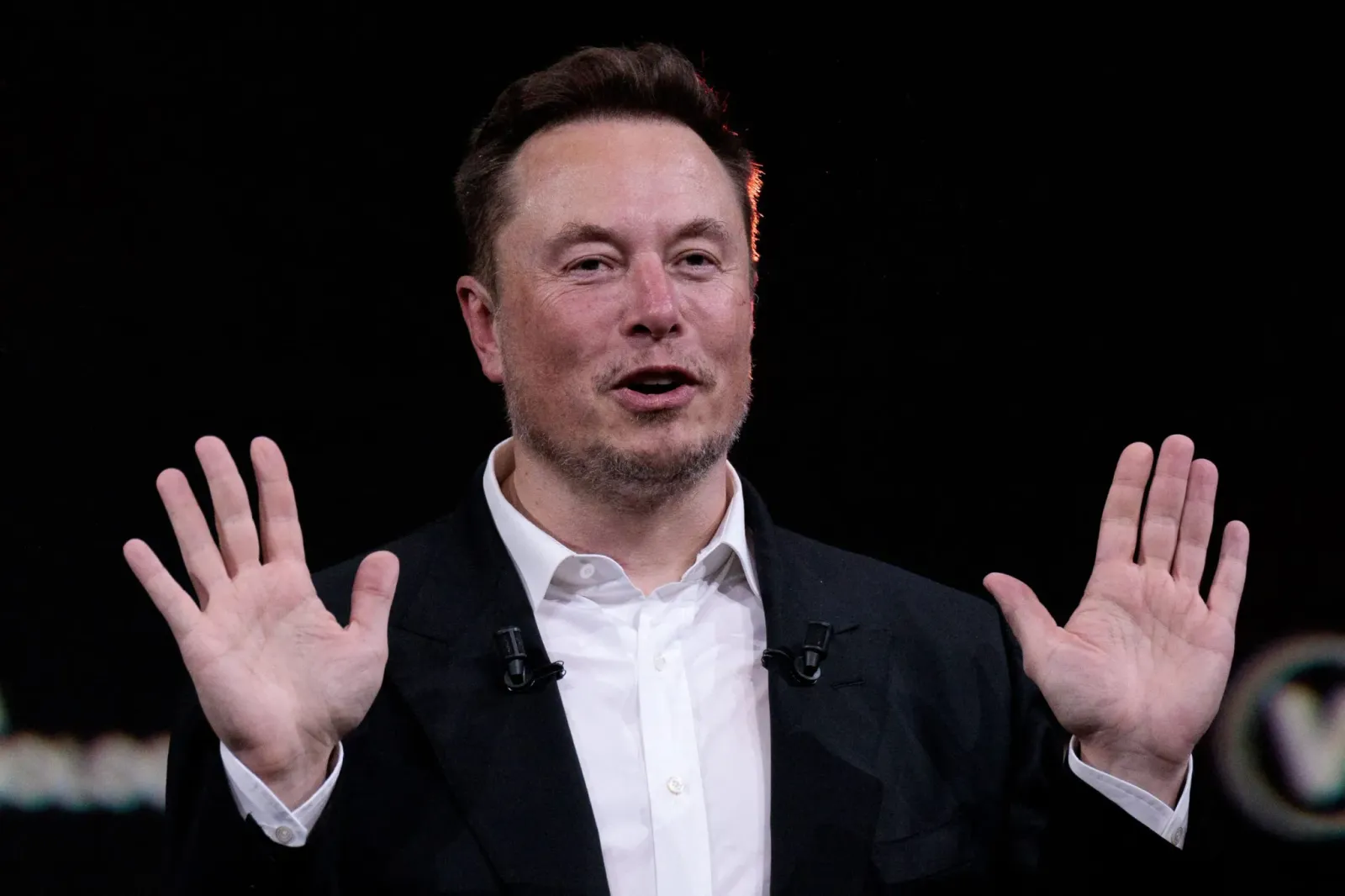
Musk barred from the room as Tesla, SpaceX boards weigh $3.5 trillion merger
The CEO of both companies is a 'conflicted party' watching independent directors negotiate a tie-up that would create a $3.5 trillion giant he would own about a third of.