

YouTube settles before July 27 LA bellwether trial as Meta, TikTok, Snap face jurors
A confidential deal shields YouTube and Google from the July 27 jury, while the next bellwethers continue to pile up.
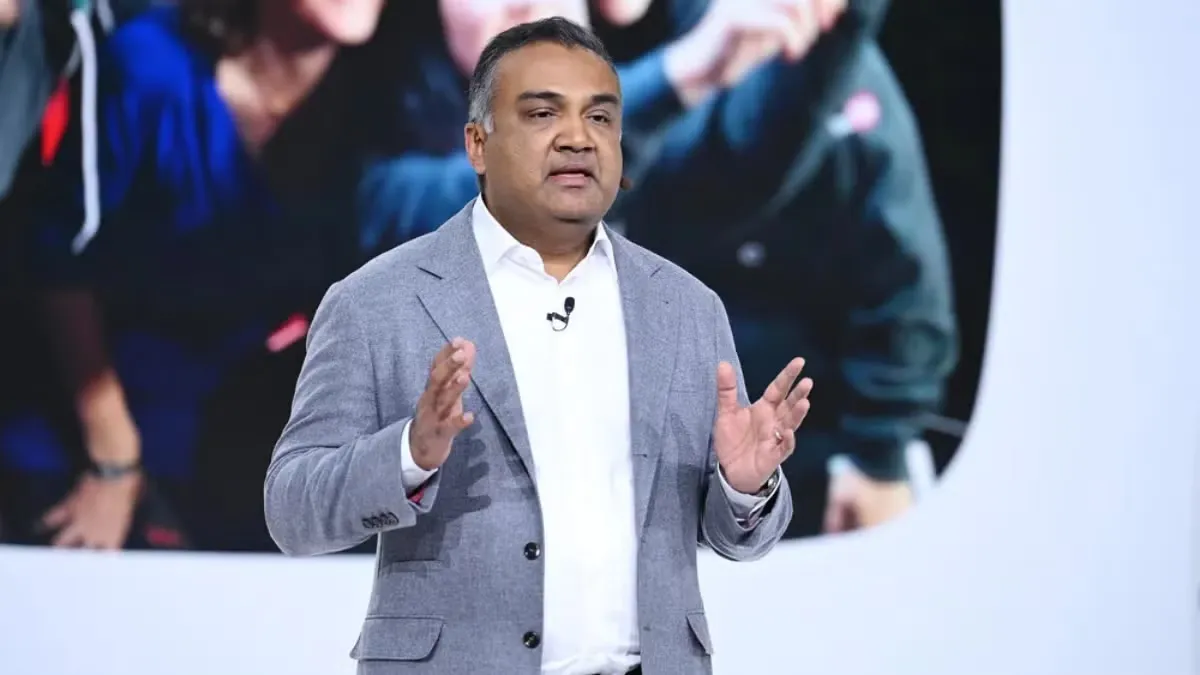
YouTube and its parent, Google, reached a confidential settlement a month before a scheduled Los Angeles social media harm trial. Meta, TikTok and Snap will still face the July 27 bellwether case, raising pressure for every board member watching the emerging legal and regulatory timeline.
YouTube and Google just stepped out of the courtroom spotlight, settling a bellwether social media harm case a month before a scheduled Los Angeles trial. The trial was set to begin July 27 in Los Angeles, but YouTube’s decision to resolve the matter before jurors is exactly what the plaintiff’s attorneys said “speaks for itself.” Meanwhile, Meta, TikTok and Snap still appear in court next month, meaning the next stage of this fight will play out without YouTube on the defendant list.
The case that YouTube exited involves a 15-year-old Black teenager, R.K.C., who claims that being on social media from the age of eight negatively contributed to his mental health. Plaintiff's attorneys John Morgan and Emily Jeffcott said that, in earlier “bellwether” proceedings, jurors saw how leadership at social media companies have been strategizing “for years” to hook children early and maximize usage with features like autoplay and infinite scroll. They framed it as the increasing use of “insidious features” done “with the aim of increasing profits at the expense of the mental health of our youth,” adding that “the tide of the law and public opinion are shifting.” YouTube did not disclose the amount it paid in the confidential settlement, but Google spokesman Jose Castañeda told TheWrap the focus remains on “building age-appropriate products and parental controls that deliver on that promise.”
For executives, this is a classic moment where legal posture intersects with incentives. Bellwether cases are designed to test narratives and damages theories before a wider set of plaintiffs. If a bellwether jury accepts a plaintiff’s framing and pricing of harm, the rest of the docket starts to look less like a one-off lawsuit and more like a settlement math problem. That matters even if the settlement amount stays confidential, because investors and boards rarely need the exact number to understand the direction of travel. In this case, YouTube’s exit also preserves optionality, letting the company avoid a jury and potentially reduce uncertainty while competitors continue to absorb the trial risk.
The broader context is already thick. The TheWrap report notes that this mirrors an earlier case from earlier this year: Kaley G.M., a 20-year-old woman, was awarded $6 million in damages, with 70% paid by Meta and 30% paid by Google. TikTok and Snap both reached confidential settlements with Kaley in the weeks before her trial. The parallels are strategic and legal at the same time. When companies repeatedly settle in advance of trial, it signals either a desire to reduce trial uncertainty, concerns about evidentiary exposure, or a calculation that the risk-adjusted cost of litigation is higher than the settlement price. When companies do go to trial and lose or face high damages, it pressures every defendant in similar cases to revisit settlement posture.
R.K.C.’s claim is not just “social media harmed me.” The report highlights that his case differs from Kaley’s because he is five years younger and a minor, and that his allegations more heavily focus on the addictive nature of autoplay and infinite scroll. Kaley’s case “primarily dealt with body dysmorphia.” Those distinctions matter for trial strategy because they influence what a jury hears about product design, harm mechanisms, and what features are considered causally connected. For boards, it means the technical details of user engagement and product behavior can become financial variables.
The suit itself is part of a Southern California effort involving nearly 2,500 plaintiffs. The reported allegations are that social media and streaming platforms were designed to increase addiction and worsen depression, anxiety, and body dysmorphia in minors. That is why the bellwether concept matters. Even if each case has different facts, the shared allegation can create a repeating pattern for juries and judges to latch onto, which then influences settlement negotiations across the remaining plaintiffs.
It also sits in a wider legal ecosystem beyond California. The report points to an additional March case in New Mexico where Meta was found liable for misleading consumers about the safety risks its platforms pose to children. In that case, the jury ordered Meta to pay $375 million in damages. The existence of that kind of verdict changes how every executive thinks about “future liability,” even if their company did not lose that case, because it strengthens the plaintiff playbook and can inform how courts interpret similar claims.
Finally, the report says there are eight more bellwether trials in the works. If those cases reach similar verdicts, they could be used in a larger global settlement that “could see the companies paying out billions.” YouTube’s settlement does not remove risk from the category; it reallocates it. By stepping away, YouTube and Google may reduce their immediate exposure, but Meta, TikTok and Snap still face juror scrutiny in the July 27 timeline. For executives and boards, the takeaway is blunt: the litigation calendar is becoming a parallel market signal, and every new bellwether trial can tighten the range of outcomes for the industry as a whole.
This story's Key Insights and Take-aways are locked.
Create a free account to unlock Executive Actions for one credit.
Register to UnlockAlways free for Executives Club members. Join the Club
More in Business

A flaw in PHP just forced governments to pull their own sites offline
European agencies from Belgium to Germany took websites dark to patch a critical weakness in the language behind almost 70% of the web, and the blast radius extends far beyond government portals.

BioWare shuts down, Mass Effect 5 dead after $55B EA buyout
The legendary RPG studio's closure lands months after a $55 billion investment group buyout of EA, raising tough questions for gaming's biggest acquirers.
Musk weighs Tesla-SpaceX mega-merger as boards form review panels
Special committees at both companies will examine a tie-up that could fuse electric vehicles and space launch, forcing a fresh look at governance and valuation.