

ZA/UM announces layoffs after Zero Parades flops commercially
The Disco Elysium studio says Zero Parades: For Dead Spies missed expectations, triggering job cuts.
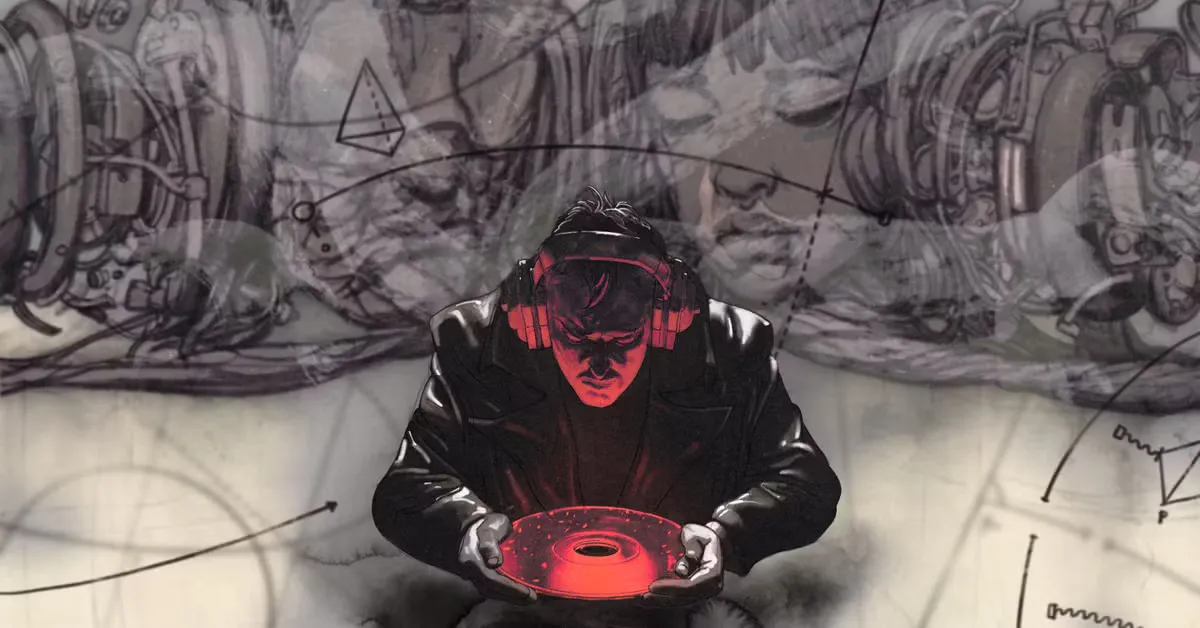
ZA/UM, the studio behind 2019 narrative RPG Disco Elysium, announced layoffs after its latest game, Zero Parades: For Dead Spies, failed to perform commercially. For decision-makers, the message is simple: when the newest product misses the money test, staffing is the fastest lever.
ZA/UM has announced a round of layoffs today after its latest game, Zero Parades: For Dead Spies, failed to perform commercially. The studio is best known for developing the 2019 narrative role-playing game Disco Elysium. In other words, the swing for the fences did not convert into the kind of commercial result studios need to protect headcount.
This is not a slow, vague “we are adjusting strategy” moment. It is a direct sequence: a commercial underperformance leads to layoffs. If you are an executive at a game studio, investor in a creator ecosystem, or operator funding live development cycles, that cause-and-effect is the takeaway. Your product pipeline can be ambitious, your art direction can be strong, but the board still has to manage cash conversion and long-term viability. When sales and engagement miss expectations, the studio’s next move is often to reduce fixed costs, and layoffs are the blunt instrument that hits the fastest.
To understand why this matters beyond one studio, zoom out to how game studios typically fund and staff their next moves. Narrative and role-playing games often involve long development timelines, specialized creative talent, and high payroll commitments. When a flagship title like Disco Elysium sets a high internal bar for quality and reputation, it can also raise the economic expectations for the next release. A studio can build brand equity, but it still runs a business that has to pay for production, publishing support, and overhead until the next title lands.
That creates a brutally practical incentive problem for studios like ZA/UM. Even if a game is culturally meaningful, commercial performance is what determines how much runway remains for iteration, localization, marketing, and follow-on work. Underperformance can force difficult tradeoffs, including whether to scale down new production or redirect resources into smaller experiments. Layoffs are sometimes framed as a “restructuring,” but operationally they are a way to bring burn rates down quickly while leadership reassesses product-market fit for the next cycle.
There is also a second-order governance layer. Most studios are ultimately accountable to stakeholders who care about risk controls: boards, investors, and parent entities if applicable. When the latest release misses commercially, it is not just a revenue problem. It is a forecasting problem. Leadership has to explain why the trajectory did not match the model, and stakeholders then pressure the organization to tighten execution. The quickest tightening is staffing, because salaries and benefits are among the largest operating expenses a studio carries.
From a capital allocation standpoint, the headline consequence is immediate, but the longer-term impact shows up in how teams plan their next announcements. After layoffs tied to a specific release, studios often become more conservative about timelines and scope. They may lean harder into proven formats, reduce the number of simultaneous projects, or shift investment toward initiatives that can show measurable progress sooner. That is not guaranteed. But when a studio’s recent commercial performance becomes the trigger for staffing cuts, the organization’s tolerance for uncertainty tends to shrink.
For peers and decision-makers across the industry, this is the kind of story that tends to spread quietly inside boardrooms. ZA/UM’s identity is tightly linked to Disco Elysium, a game that helped define modern narrative RPG expectations. That brand halo can attract attention, but it does not stop economic reality from showing up in the sales ledger. The strategic stake is straightforward: if you lead a studio or sit on an oversight committee, you are watching the market response to your release, and you are also watching how quickly fixed costs get reined in when results disappoint.
Bottom line: ZA/UM is cutting jobs today because its latest release, Zero Parades: For Dead Spies, failed to perform commercially. The story is a reminder that in game development, execution and creativity matter, but commercial performance is the gatekeeper for organizational stability. If you are building the next pipeline, this is the moment to re-check your assumptions, your runway math, and how your organization will respond if the product does not land the way you planned.
This story's Key Insights and Take-aways are locked.
Create a free account to unlock Executive Actions for one credit.
Register to UnlockAlways free for Executives Club members. Join the Club
More in Entertainment
12TB Steam 'teraleak' goes beyond Valve: GTA 3, Mafia 2 prototypes exposed
A 12-terabyte dump of Steam data reveals prototypes and builds of third-party classics like GTA 3 and Mafia 2, plus unreleased Valve content, rewriting game history.

LinkedIn's romance problem: 1 in 4 workers say dating on it is fair game
A new survey shows a quarter of U.S. employees treat the professional network as fair game for romance, even as LinkedIn bans it and removes hundreds of thousands of offending posts.

Enhypen's first No. 1 album breaks K-pop's Billboard 200 streak
The K-pop group's 98,000-unit debut tops the chart while Dolly Parton's catalog reentry shows how death reshapes streaming.