

Zach Cregger’s Resident Evil trailer sets up an alternate RE2-era storyline on September 18, 2026
The director of Barbarian and Weapons explains why this film dodges the usual game-and-movie mismatch and looks genuinely fun.
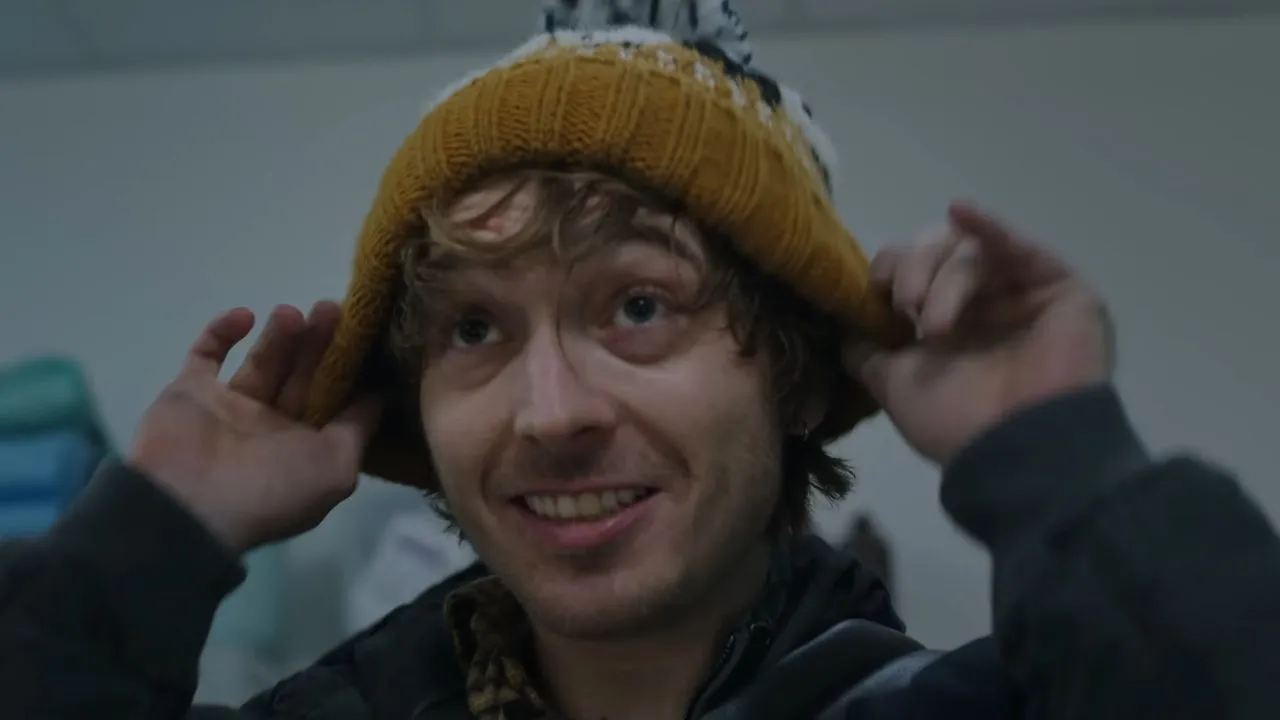
Zach Cregger, the director of Weapons and Barbarian, has released the full trailer for his upcoming Resident Evil film. It takes place alongside Resident Evil 2 events, but it avoids including those game characters, with a September 18, 2026 release date.
The full trailer for Zach Cregger’s Resident Evil is out, and it tackles a specific problem that has haunted the franchise in the movies: familiarity. Cregger’s film is set to hit screens on September 18, 2026, and it explicitly takes place alongside the events of Resident Evil 2 while not including any of them, or anyone you know from the game. That is a big creative fork, and it is the kind of choice that can either feel safe and meaningless, or weirdly liberating.
The trailer’s “alternate storyline” premise is not just a lore footnote. Cregger described it as a story that exists on the periphery of the hero’s storyline, a plot that could be happening without necessarily breaking the universe the games are telling. In other words, it is designed to let the film live in the same world, without demanding it cosplay as a direct adaptation. For viewers who have been burned by Resident Evil movies before, that matters. It is a clear signal that this version is aiming for a different contract with the audience: less “here are the game beats you already know,” more “here is what horror looks like when you stumble into it from the outside.”
Cregger also framed the project around the feeling of being catastrophically unprepared. In May, he said the film reflects what would happen if he were thrown into a Resident Evil situation in real life, utterly unprepared or unequipped for the situation. The line about “following someone with no combat experience whatsoever as they're walking through hell with a machine gun” is basically the pitch in one sentence. The trailer leans into that mismatch between ordinary life and apocalyptic violence, centering Austin Abrams as an average guy who gets pulled, headfirst, into awfulness.
What makes that premise feel like more than just marketing fluff is how the trailer sprinkles levity through horror. PC Gamer points to moments that feel reminiscent of Sam Raimi’s Evil Dead films, like the “zoom-in on the shotgun over the mantle,” described as a dead lift from Raimi’s splatter classics, and Abrams’ reaction as he looks out the window and sees the zombie running toward the house. That kind of staging is not just visual style. It is a pacing tool. If you are trying to sell dread, you often need contrast. The humor is not there to erase fear. It is there to make the dread land harder, because it shows how fast normal reality can collapse.
And yet, Cregger is also on record about what he values about survival horror and Resident Evil in particular: the “overwhelming feeling of dread.” That sets up an important expectation for how the movie might play across its runtime. Individual moments of levity do not automatically mean the whole experience is a comedy. Survival horror stories tend to work when they hold a steady emotional tone, then let humor peek through as a symptom of panic or disbelief. The trailer suggests Cregger understands that tension.
For executives and board members watching film and IP adjacent industries, this is also a story about incentive alignment. Resident Evil is a long-running universe with games that have their own internal momentum and audience expectations. When studios try to force movies into a direct translation of game events, they inherit two problems at once: they need to satisfy lore fans, and they also need to make a coherent story for newcomers. An alternate storyline “on the periphery” is a structural decision that reduces both pressures. You can still use the setting, the vibe, and the horror machinery, without getting trapped in “use the right characters, at the right time, in the right sequence.”
There is also a second-order implication here for how franchises manage creative risk. PC Gamer opens with Elie Gould, who said, “Don’t give me hope,” when the film got a teaser in April, referencing that previous Resident Evil movies have let audiences down. That context matters because it implies the market reality: the franchise has credibility to rebuild. A creative approach that avoids copying game heroes while still promising a lived-in universe is one way to re-earn trust. If it works, it becomes a template for future adaptations: stay adjacent to the canon, but do not treat canon like a cage.
None of this guarantees quality. But grounded in what the source actually lays out, Cregger has chosen a specific method to increase the odds of a satisfying outcome. He builds from dread, he leans on situational humor that resembles a proven horror-comedy rhythm, and he reduces the burden of “including any of them, or anyone you know from the game” by making the film a parallel that could be happening without breaking the game universe. If you are the kind of decision-maker who has to think about slate performance, audience trust, and brand recovery, that is the real stake. September 18, 2026 is the date, but the strategic question is whether this alternate approach can convert skepticism into a winner when the trailer already looks like it knows what it is doing.
This story's Key Insights and Take-aways are locked.
Create a free account to unlock Executive Actions for one credit.
Register to UnlockAlways free for Executives Club members. Join the Club
More in Entertainment

'It's a Magic Trick': Ballet Experts Say Rosalía's SNL Pose Is Impossible
Three ballet experts tell Rolling Stone Rosalía's gravity-defying SNL stillness shouldn't be possible - and why the debate is now part of the show.

Activision CMO: GTA 6 Will Boost Call of Duty, Not Bury It
Activision's top marketer says Rockstar's blockbuster will drive players back to consoles and into Modern Warfare 4, even as the company admits its recent strategy failed.
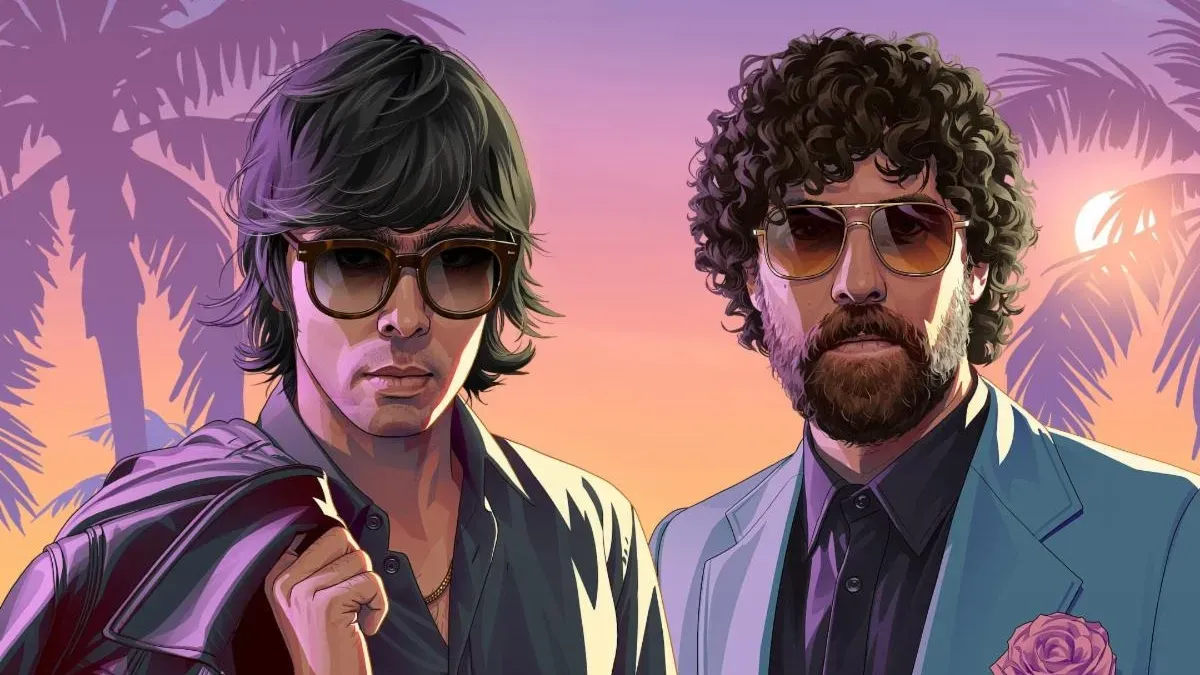
Justice to Score GTA 6, Share New Song with Tame Impala, SZA, King Gizzard
Rockstar taps the French duo for the GTA VI score, and the first taste is a genre-melting collab with Tame Impala, SZA, and King Gizzard & The Lizard Wizard.