
Zach Heinzerling heard his Emmy nod for 'Rafa' at Wimbledon, not a boardroom
How Zach Heinzerling’s Netflix tennis series earned an Emmy nomination while he watched play at Centre Court.
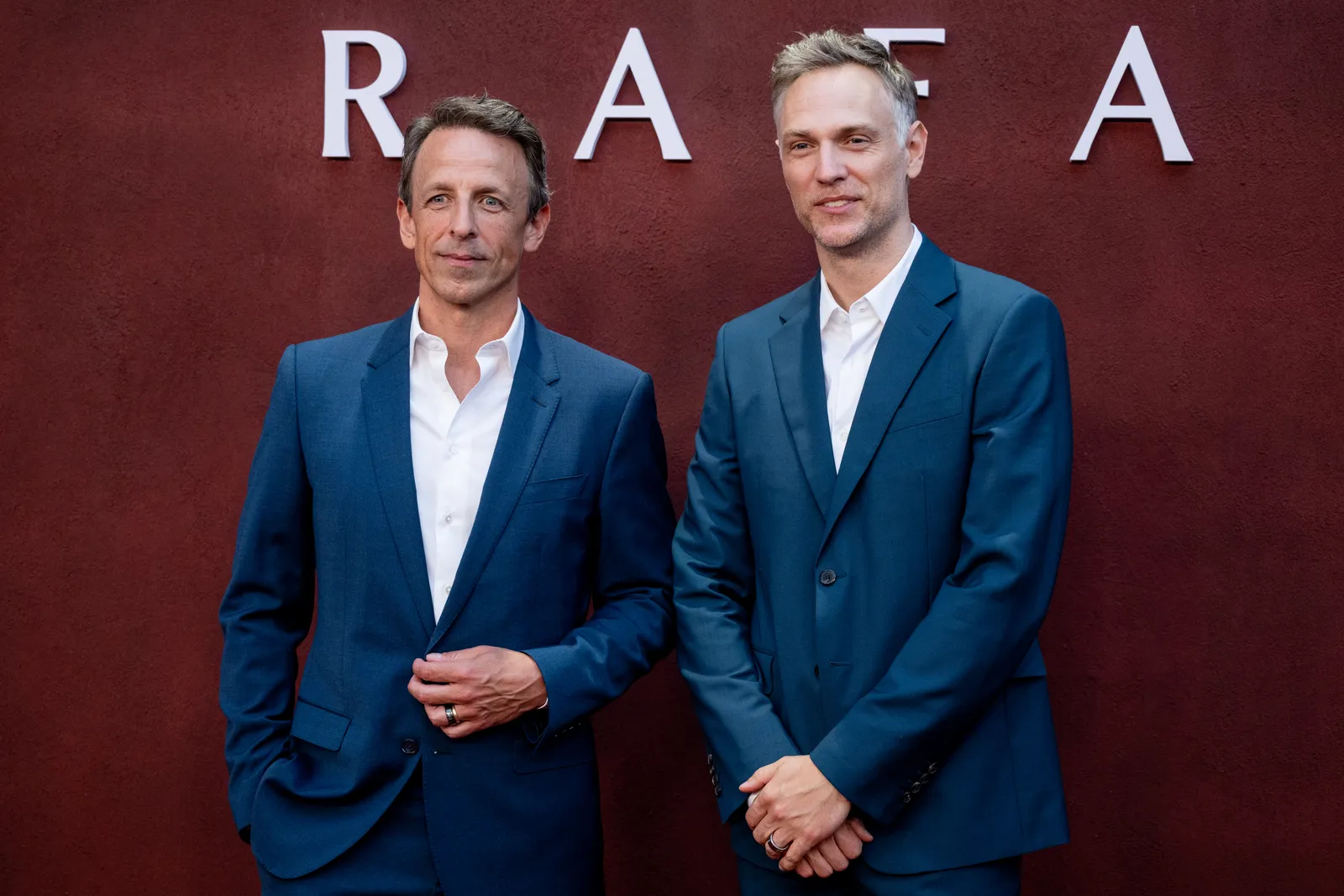
Zach Heinzerling, the filmmaker behind Netflix’s Rafael Nadal series 'Rafa,' learned his work earned an Emmy nomination while attending a Wimbledon men’s quarterfinal on Wednesday. For decision-makers, it’s a reminder that awards momentum can show up where audiences and credibility already live, not just in PR plans.
Zach Heinzerling got the news the way only Wimbledon can deliver it: while he was sitting at Centre Court. Deadline reports that the filmmaker behind Netflix’s 'Rafa,' a series about tennis great Rafael Nadal, learned his show earned an Emmy nomination while attending a men’s quarterfinal match at the All England Club on Wednesday. Heinzerling’s phone started ringing mid-match, pulling him out of the crowd and into the kind of industry moment people build careers for.
The timing matters more than it sounds. This wasn’t an Emmy nod announced in a press briefing, and it wasn’t something he heard after stepping away from the craft. It happened in the same environment the subject of his show lives in: Wimbledon. Deadline notes he was watching a match between Flavio Cobolli and Arthur Fery when he received the update. That detail is the whole setup for the story. Heinzerling’s series is about one of the sport’s biggest names, and the nomination arrived while he was literally in tennis mode.
So what does an Emmy nomination actually change for someone like Heinzerling and for the Netflix machine behind the series? Awards are not just trophies. They function as third-party validation, which can influence audience curiosity, internal greenlights, and the leverage producers get in negotiations. For streaming platforms and studios, nominations signal that a title has crossed from “content” into “prestige.” Prestige titles tend to be easier to sell to a wider audience because they come with an implied credential, even for people who do not follow the Emmys like they follow their favorite sports teams.
There is also an execution incentive baked into the situation. Heinzerling is not a studio executive reacting to a quarterly dashboard. He is a filmmaker building a narrative around Rafael Nadal. In entertainment, the path to nominations often rewards craft: storytelling structure, authenticity, performance, and the ability to translate something real into something screenable. The fact that the news reached him during Wimbledon suggests how tightly his work, his subject matter, and his present-day access to the sport may have intertwined. It is hard to produce credible sports storytelling without spending time in the world you are depicting.
Deadline also frames the story around support from his family network, including an assist from his brother-in-law, Seth Meyers. The article’s title points to that angle, and it matters for how deals and messaging work in the media ecosystem. Late-night talent and their teams can accelerate awareness, and awareness can accelerate votes. Even without getting into speculation beyond what the source provides, the headline itself tells you this story is not only about craft. It is also about the diffusion of momentum, how a project gets eyes, and how those eyes turn into industry recognition.
From a board-level lens, entertainment nominations can function like a soft signal for future cash flows. They may not guarantee renewals, but they strengthen bargaining positions and can justify marketing spend. If Netflix and its partners view awards as a proxy for long-term value, a nomination can reinforce investment in similar projects or in the same talent pipeline. When executives decide what to fund next, the question is usually: does this title expand our brand and reduce uncertainty about what audiences and critics will respond to? Emmy recognition answers part of that question.
There is a broader strategic point here for anyone running a media business: the awards conversation is increasingly intertwined with mainstream distribution moments. Wimbledon is mainstream sports culture. A Netflix series about Nadal is mainstream sports content translated into a prestige format. The fact that Heinzerling learned of the Emmy nomination while seated at Centre Court underscores that the separation between “sports audience” and “awards audience” is thinner than it used to be. People who care about the sport also care about how the sport is told.
For peers in production, distribution, and content strategy, the second-order implication is simple: authenticity and proximity can compound. Heinzerling’s experience suggests that being where the story happens can feed the work, and that work can come back with industry validation. For executives, that is a competitive advantage you can actually operationalize: invest in creators who can access the world they depict, support projects that translate that access into compelling storytelling, and recognize that recognition may arrive at the exact intersection of audience attention and credible institutions, not just inside your own calendars.
This story's Key Insights and Take-aways are locked.
Create a free account to unlock Executive Actions for one credit.
Register to UnlockAlways free for Executives Club members. Join the Club
More in Entertainment

12TB Steam 'teraleak' goes beyond Valve: GTA 3, Mafia 2 prototypes exposed
A 12-terabyte dump of Steam data reveals prototypes and builds of third-party classics like GTA 3 and Mafia 2, plus unreleased Valve content, rewriting game history.

LinkedIn's romance problem: 1 in 4 workers say dating on it is fair game
A new survey shows a quarter of U.S. employees treat the professional network as fair game for romance, even as LinkedIn bans it and removes hundreds of thousands of offending posts.

Enhypen's first No. 1 album breaks K-pop's Billboard 200 streak
The K-pop group's 98,000-unit debut tops the chart while Dolly Parton's catalog reentry shows how death reshapes streaming.