
Zelensky proposes replacing PM Yulia Svyrydenko in a government reshuffle
A proposed leadership swap signals Zelensky wants a faster pivot toward an “updated political strategy” with new momentum.
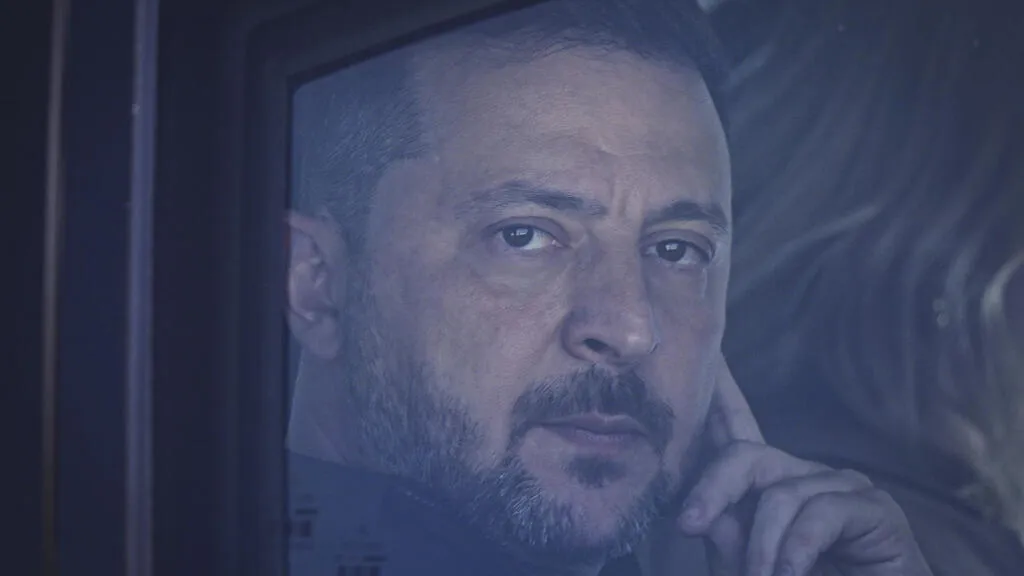
President Volodymyr Zelensky proposed replacing Prime Minister Yulia Svyrydenko as part of a broader government reshuffle. For decision-makers, it raises the stakes around how Ukraine will retool policy execution and political alignment.
Ukrainian President Volodymyr Zelensky said on Sunday that he proposed replacing Prime Minister Yulia Svyrydenko as part of a broader government reshuffle. In other words, this is not just a routine personnel tweak. It is an attempt to reset who leads the machinery of government while Ukraine tries to implement what Zelensky described as an “updated political strategy.”
That framing matters because the Prime Minister role in Ukraine is tightly connected to day-to-day policy implementation, coordination across ministries, and the practical translation of presidential priorities into legislation and execution. So when Zelensky publicly connects the proposed change to an “updated political strategy,” he is telling the country and, indirectly, the international audience watching closely that the current approach may need a sharper turn. The reshuffle is being presented as a mechanism to make the strategy real, not just rhetorical.
For executives and investors, personnel moves in high-stakes governments are rarely only about internal politics. They are about incentives, continuity, and the credibility of policy timelines. A prime minister who is replaced, or a government that is reshuffled, can change the operating cadence of ministries: which reforms get accelerated, which get delayed, and which relationships get renegotiated. Even without new laws announced immediately, leadership changes can shift how quickly bureaucracies move, how confidently agencies commit resources, and how risk is managed when decisions are contested.
There is also the practical reality that political strategy in wartime and crisis conditions tends to evolve quickly. When leaders say they are implementing an “updated political strategy,” it usually implies that the old plan is no longer sufficient, or that circumstances have shifted enough to demand a new emphasis. A government reshuffle is one of the fastest ways a president can align the team around that new emphasis. It can also serve as a signal to partners that Ukraine is responsive and capable of reorganizing itself.
The timing is another piece of the puzzle. Zelensky made the proposal on Sunday, framing it as part of broader reshuffle plans. That suggests a deliberate sequence rather than an isolated, last-minute decision. In systems where government survival depends on maintaining coalition support and political consensus, leaders often use reshuffles to rebalance factions, reward allies who deliver, and bring in figures who are perceived as better suited to the next phase. Whether that is happening here is not spelled out in the report, but the stated objective, implementing an updated strategy, points to the “next phase” logic.
There are second-order implications for anyone who needs predictability from the state, including businesses operating in Ukraine and stakeholders allocating capital in the region. When cabinet-level leadership changes, counterparties often reassess how policy will land: licensing, procurement, regulatory enforcement, budget priorities, and the pace of administrative approvals. Even when the macro direction is known, the micro details can shift with a new team. That can mean more or less friction, different oversight intensity, or altered priorities in how ministries work across borders and with international institutions.
It also matters for global stakeholders who watch governance changes as proxies for reform capacity. Reshuffles can improve execution if the new lineup is seen as competent and aligned with the strategy. But reshuffles can also introduce short-term uncertainty, especially if the transition causes delays in decision-making or if internal coordination takes time. The report does not provide outcomes or timelines beyond Zelensky’s proposal, so the only clean conclusion is that the president is actively trying to reshape the government to implement a new version of the political plan.
For peers in similar leadership roles, the lesson is straightforward. When a top executive says a strategy is being updated and ties personnel changes directly to that goal, the message is that implementation is the battleground. If you are managing a board, running a government-adjacent program, or leading a company exposed to regulatory and administrative timelines, watch not only who gets replaced, but what the leadership swap is designed to accelerate. Zelensky’s proposed replacement of Prime Minister Yulia Svyrydenko is being presented as the lever to deliver the “updated political strategy,” and that is the key stake today.
This story's Key Insights and Take-aways are locked.
Create a free account to unlock Executive Actions for one credit.
Register to UnlockAlways free for Executives Club members. Join the Club
More in Politics

Glacial collapse, not rain, killed 180 in Nepal's Himalayan flood
The Himalaya's extreme geography hid the true cause of Nepal's catastrophic flood, a glacial collapse that turned a geological battleground into a mass-casualty zone.

Iran’s Esmail Baghaei says Oman talks start shipping via Hormuz, not US talks yet
Temporary route plans with Oman aim to restart commerce while Tehran says Washington dialogue is not on the table.

Standards watchdog opens probe into Reform UK deputy leader Richard Tice over interests
The parliamentary standards commissioner says it began an investigation on 28 July into a possible undeclared interest.