

Zhongji Innolight IPO needs HK$51,009.29 to subscribe, Hong Kong’s highest threshold
A priced-at-HK$1,010 maximum IPO sets a retail barrier, while institutional bids still stack up.
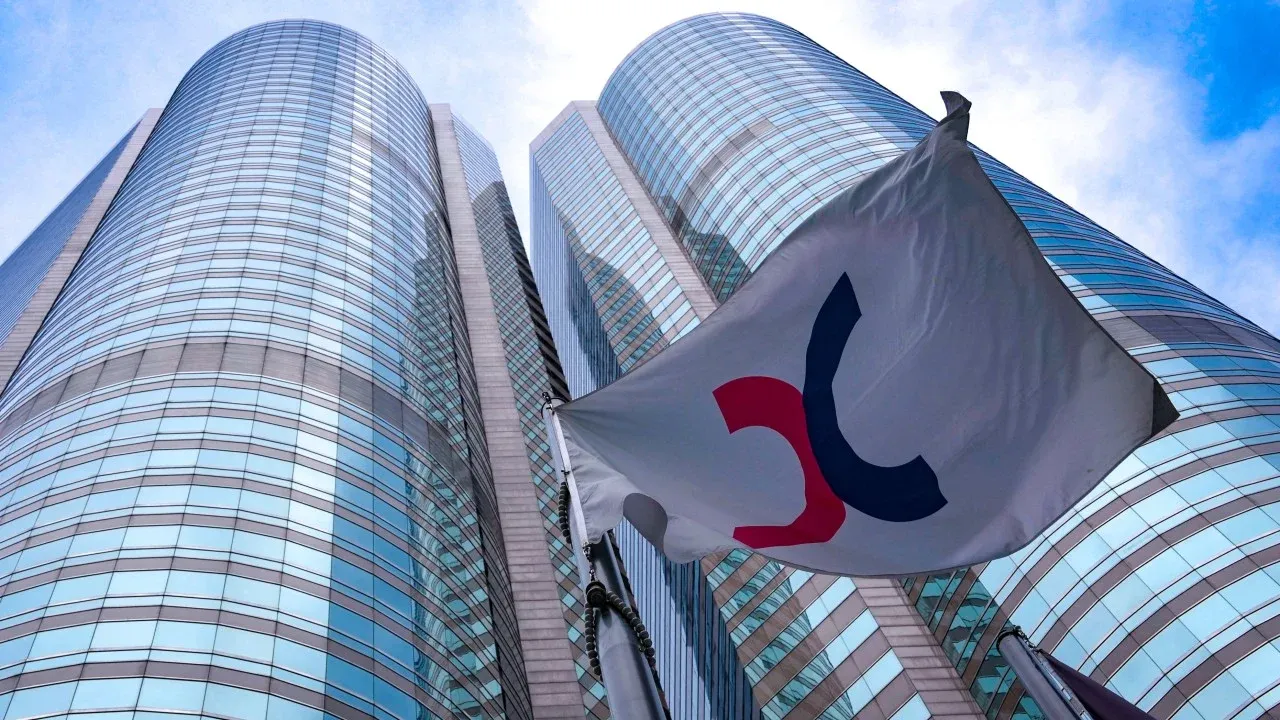
Zhongji Innolight, pegged at a maximum of HK$1,010 per share, set the highest subscription threshold in Hong Kong IPO history, requiring 50 shares per board lot. The move is already reshaping retail participation even as institutional demand remains strong and multiple oversubscriptions are placed.
Zhongji Innolight’s Hong Kong IPO just raised the cost of entry to a number that will make retail investors pause: the minimum subscription threshold is HK$51,009.29 (US$6,505.49). The deal is priced at a maximum of HK$1,010 per share and requires 50 shares per board lot, according to people familiar with the matter. For a market that often treats retail bidding as a meaningful part of the subscription story, this is a deliberately steep hill to climb.
The headline tension is simple, and the source confirms it. Zhongji Innolight, described as the largest IPO in Hong Kong in nearly seven years, has set the highest subscription threshold in the city’s history. That higher floor can dampen retail investors’ appetite. Yet the same people familiar with the matter also say institutional demand remains strong, with multiple oversubscriptions already placed. Translation: the gate is narrow for retail, but capital-market players are still showing up.
To understand why this matters, you have to look at how Hong Kong IPO subscriptions typically work in practice. Even before you get to market sentiment or company fundamentals, retail participation is mechanically constrained by price and lot size. When the IPO price is set at a maximum of HK$1,010 per share, and an investor must buy 50 shares per board lot, the math becomes unavoidable. Multiply those inputs and you land at the minimum threshold of HK$51,009.29. In other words, the subscription structure is not just a detail. It is the product’s packaging for smaller accounts.
Now add the timing and scale. Calling it the largest IPO in Hong Kong in nearly seven years is not throwaway language. Big, headline-heavy issuances tend to attract broad attention and, often, retail interest. So raising the barrier at the same time you’re trying to capture maximum attention creates a tradeoff. You may sacrifice some retail volume, but you can also reduce the “spray and pray” type of participation that can come from investors bidding at the margins. If institutional books are already showing oversubscription, the company and its sponsors may feel less pressure to optimize for retail participation.
There is also a second-order governance angle here, even if the source does not spell it out directly. In Hong Kong, IPO processes involve coordination among the issuer, underwriters, and regulators, and the subscription framework affects who can participate in the first place. When the threshold is the highest in the city’s history, boards and deal teams effectively signal a certain target profile for demand. That can influence how executives think about allocations, pricing power, and the post-IPO trading narrative.
The current setup suggests the deal team expects demand to come disproportionately from institutional investors rather than retail. The source explicitly states multiple oversubscriptions are already placed, and it distinguishes that strength from retail sentiment, saying the higher threshold dampens retail appetite while institutional demand remains strong. That matters because oversubscription is often a key input into pricing and allocation dynamics. Even without additional numbers in the source, the directional message is clear: the book is attracting buyers that can handle the minimum threshold.
For decision-makers watching from the sidelines, Zhongji’s move is a live case study in how IPO mechanics can be used to shape the investor mix. If you are a CFO or board member at another pre-IPO company, you learn that “retail access” is not purely about marketing or sentiment. It is about the math of entry, the lot requirements, and the maximum subscription price. In a market with historically familiar participation patterns, changing the threshold to a record-high level can recalibrate who shows up.
For peers and competitors in the Hong Kong pipeline, the strategic stakes are straightforward. The deal is priced at a maximum of HK$1,010 per share, it requires 50 shares per board lot, and the minimum threshold lands at HK$51,009.29. Those facts create a benchmark others may reference when they negotiate pricing and subscription structure. And because this IPO is positioned as the largest in nearly seven years, its design choices are likely to be scrutinized. If institutional demand stays resilient even with a record retail barrier, that could change how future issuers think about balancing retail participation versus investor-type concentration in a subscription book.
Ultimately, Zhongji Innolight is using the structure of the offering to manage demand composition: a record minimum threshold for retail, strong institutional oversubscription already in place, and a widely watched issuance that could set a new reference point for Hong Kong IPO economics. Whether you’re an investor or an operator, the lesson is that the subscription threshold is not background noise. It is a lever with real consequences for who can buy, how demand forms, and how the market interprets momentum on day one.
This story's Key Insights and Take-aways are locked.
Create a free account to unlock Executive Actions for one credit.
Register to UnlockAlways free for Executives Club members. Join the Club
More in Business

Anthropic’s Levant Alpöge cracks the Jacobian conjecture after 87 years
A Harvard valedictorian used Claude to hit a 1939 breakthrough, but the missing “why” is the real problem.

Uber buys Delivery Hero for nearly $15B, vaulting to top food delivery outside China
The deal doubles Uber's dual-services footprint and pushes a ride-and-eats bundling play into 50 more markets.

Epic and Google drop settlement bid, forcing rival Android app stores by July 22
Google told the court it is ready to carry third-party app stores starting Wednesday, July 22.