

Zuckerberg admits Meta spent $200B on AI with no proof it would work
Meta's CEO confirms the company poured up to $200B into AI infrastructure on faith, while free cash flow collapsed 91%, a cautionary tale for every AI-spending board.
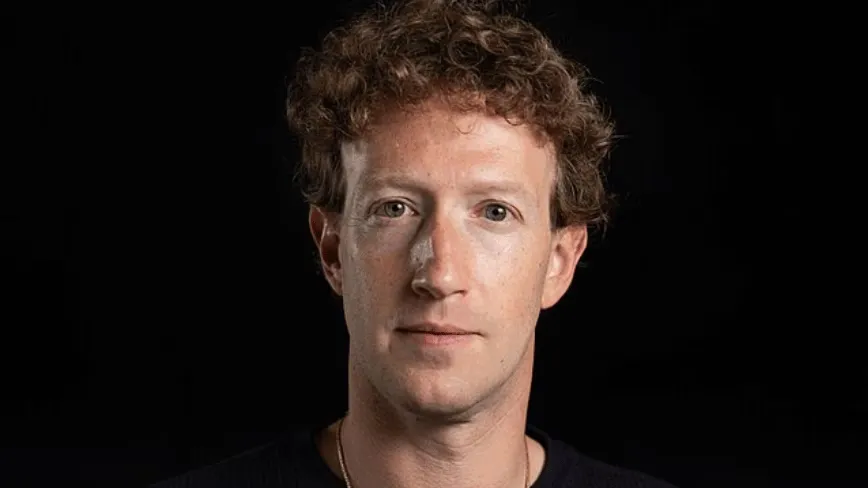
Mark Zuckerberg admitted Meta committed up to $200B to AI infrastructure without knowing it would work, and Meta's chief AI officer said success was not clear at all. The admission, paired with a 91% plunge in free cash flow, signals a faith-based capex strategy that could reshape how boards evaluate AI spending.
Mark Zuckerberg has admitted that Meta committed as much as $200 billion to AI infrastructure before anyone could tell him it would work. The CEO's confession was echoed by Meta's chief AI officer, who said the outcome was not clear at all, a rare moment of candor from a company that has staked its future on artificial intelligence. The admission is all the more striking because Zuckerberg has rarely acknowledged uncertainty in his public statements, often projecting confidence in Meta's ability to lead the AI race.
The scale of the bet is hard to overstate. $200 billion is more than the annual GDP of many countries, and it comes at a time when Meta's free cash flow fell 91% in the second quarter. That means the company's ability to generate cash from operations has nearly vanished, even as it continues to pour billions into data centers, chips, and research. For a company that once minted cash, the strain is visible. The 91% drop is a stark reversal from Meta's historical performance, where it routinely generated billions in quarterly free cash flow, and it underscores the financial risk of the AI buildout.
Zuckerberg has long positioned AI as the key to Meta's next act, promising investors that it will supercharge advertising, recommendation engines, and the metaverse. But his admission now confirms what skeptics have whispered for months: the company was building first and asking questions later. The fact that Meta's own AI chief could not say whether the investment would pay off is a striking acknowledgment that even insiders were flying blind. It also raises the question of whether the company's board was fully informed of the uncertainty before approving the spending.
Meta is not alone in this gamble. Microsoft, Google, and Amazon have all committed tens of billions to AI infrastructure, and the industry's collective spending has reached historic highs. Yet few executives have been as explicit about the uncertainty as Zuckerberg. His comments give ammunition to investors and analysts who have warned that the AI capex cycle is built on hope rather than proven returns. The difference is that Meta's free cash flow collapse makes the risk tangible. For other companies, the lesson is that even the biggest players are making bets without clear evidence of a payoff.
The regulatory backdrop adds another layer. Lawmakers and antitrust enforcers have increasingly questioned whether a handful of tech giants control the future of AI, and Zuckerberg's admission could complicate Meta's defense that its investments are prudent and necessary. If the company itself concedes that it does not know if the spending will work, regulators may ask whether such bets are a responsible use of corporate resources or a gamble that could destabilize the market. Regulators on both sides of the Atlantic have already been scrutinizing AI partnerships and investments, and this admission gives them a new line of inquiry.
It is also worth noting that the $200 billion figure is 'as much as,' meaning the final number could be lower. But even a fraction of that sum represents a massive commitment, and the fact that Zuckerberg chose to disclose the uncertainty suggests the company is bracing for scrutiny. The admission raises uncomfortable questions about internal decision-making: who signed off on a bet of this size without a clear business case, and what does that say about the board's oversight? For a company that has faced repeated governance criticisms, this is another data point.
For executives and boards across every industry, the Meta story is a case study in the tension between ambition and accountability. Zuckerberg's willingness to admit uncertainty is unusual, but the underlying dynamic is not: leaders are making multi-billion-dollar decisions on technologies whose returns are unproven. The key question is whether boards are asking the same hard questions that Meta's own AI chief apparently raised. If a company with Meta's resources can commit $200 billion on faith, what does that mean for smaller players trying to compete? The answer is that they need to be even more disciplined.
The strategic stakes are clear. Meta's AI bet could either cement its dominance or become a cautionary tale of overreach. For now, the company is betting that the infrastructure will eventually pay off, but Zuckerberg's own words suggest the path is anything but certain. For peers in similar roles, the takeaway is to demand evidence, set milestones, and be honest about what is known and what is not. The cost of blind faith, as Meta's free cash flow shows, can be brutal.
This story's Key Insights and Take-aways are locked.
Create a free account to unlock Executive Actions for one credit.
Register to UnlockAlways free for Executives Club members. Join the Club
More in Technology

Cop fired after sharing Flock login with ICE husband: 983 searches
A Savannah officer's shared credential let an ICE agent run hundreds of plate searches on Hispanic drivers, exposing a surveillance backdoor.

Elizabeth Holmes doc 'You Can See Everything' posts second-biggest doc debut ever
The true-crime draw shows fraud narratives still sell - a signal for media execs and a caution for founders.
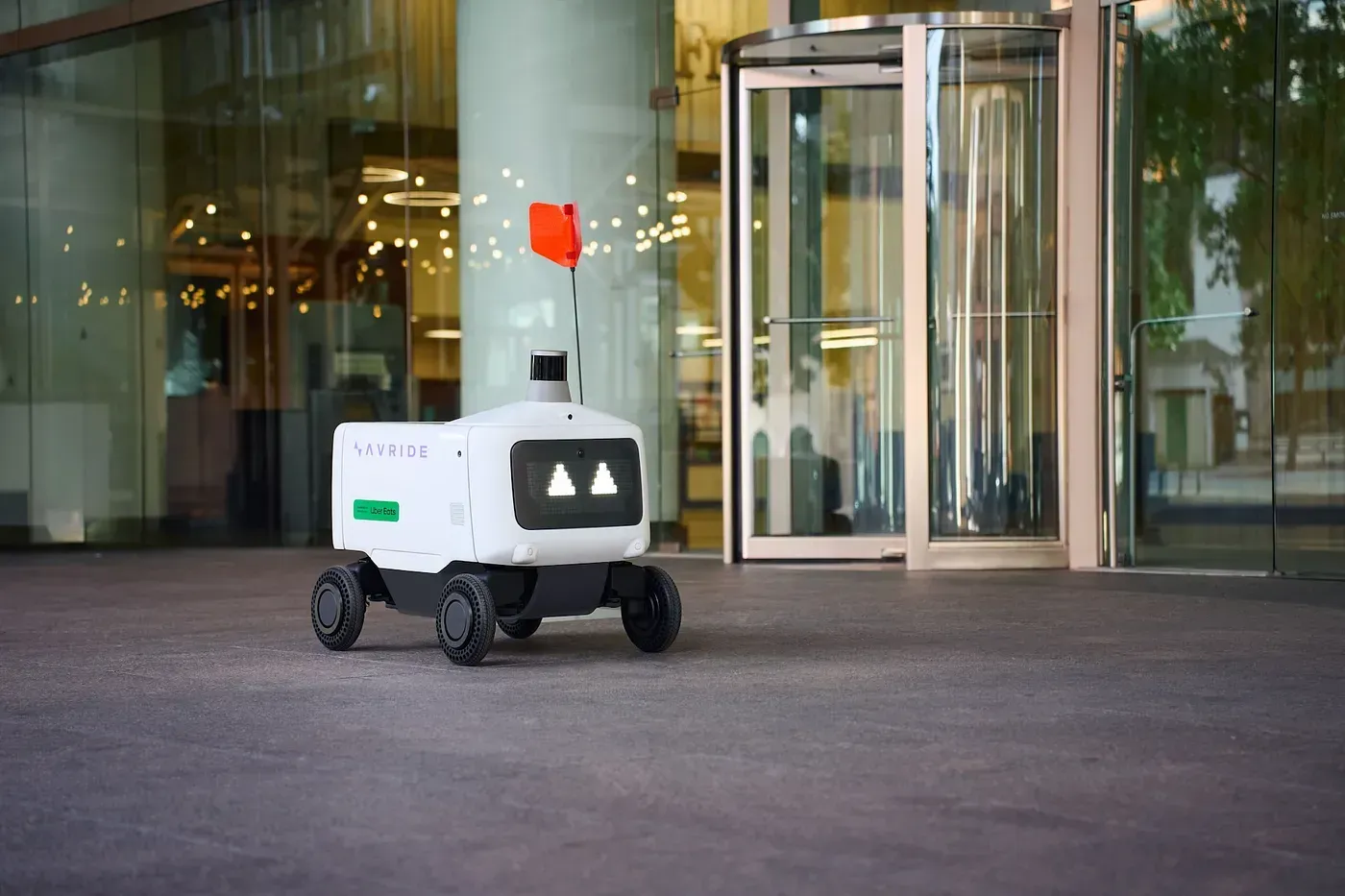
She blocked an Uber delivery robot to save jobs. Police arrested her.
Carolyn Marvin's disorderly conduct arrest turns a sidewalk standoff into a test case for how cities police the automation-versus-workforce debate.