
Zyzz died at 22 in Thailand; a new documentary traces the influencer machine behind the myth
Aziz Shavershian became a rage-bait fitness star on YouTube and Facebook, then died in Thailand in 2011.
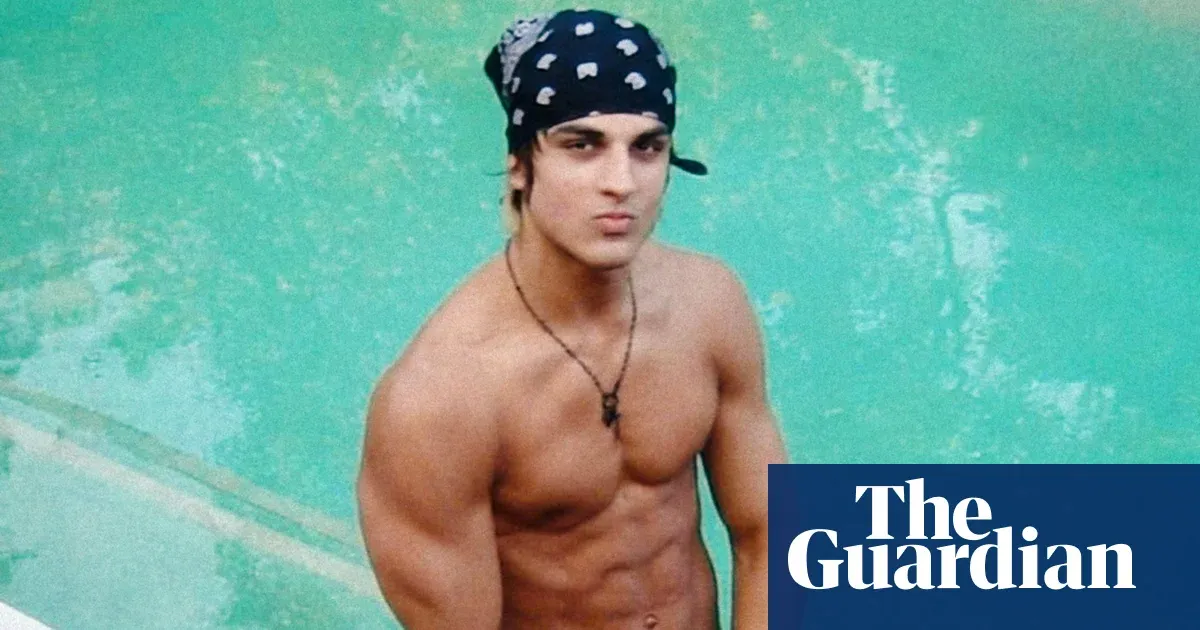
Aziz 'Zyzz' Shavershian, an Australian fitness influencer who posted workouts and rage-bait on YouTube and social media, died in Thailand in 2011. The new documentary claims to reveal what really happened, reframing how early influencer culture built the looksmaxxing era.
Aziz “Zyzz” Shavershian was famous online for posting workouts and rage-bait, then died in Thailand in 2011 at just 22. A new documentary now digs into what really happened, pulling the curtain back on the origin story of an internet aesthetic that later mutated into what people now call “looksmaxxing.”
To understand why his death still lands like a headline, you have to start with how Zyzz got famous in the first place. In the 2000s, the Australian teenager filmed his workouts and his thoughts about the world, using a Nokia camera, then posted those videos to YouTube. The appeal was not just fitness. It was performance. He flexed in unapologetically vain bodybuilding poses, with hair feathered like an anime character, and he talked in slang straight out of bodybuilding forums. One of the lines highlighted in the write-up captures the vibe: “U mirin’, brah?”
That tone mattered, because Zyzz did rage-bait before the term was mainstream. He mocked envy, turned attention into fuel, and even built redundancy into his trolling strategy. The source notes he created accounts to “troll himself in case the haters ever forgot to hate.” That is the core mechanic of the influencer machine at an early stage: engagement is the product, and controversy is the delivery system.
The documentary also points to a particularly telling move on Facebook. Zyzz started an anonymous page titled “10,000 likes and I’ll bash Zyzz.” When the goal was reached, the page flipped from hostility to branding, switching to one advertising his protein brand. This is not just a quirky internet footnote. It shows how influencer marketing incentives can turn audience behavior into inventory. If your “audience” is a crowd that has already chosen sides, you can monetize the momentum, even if the starting energy was negative.
For decision-makers who think in terms of media economics, this story is a reminder that early creator platforms were effectively unregulated attention engines. In the 2000s, YouTube and social networks offered creators an easy path to distribution, while the rules around health messaging, user safety, and platform accountability were far less developed than they are today. The source does not detail any specific legal actions or regulatory investigations tied to Zyzz’s death. But the broader lesson is clear: when content is designed to maximize attention, the downstream risks are harder to manage once a community forms around a body-image brand.
There is also a second-order implication for boards and executive teams in fitness, media, and creator commerce: brand identity can become inseparable from a person’s myth. Zyzz’s persona mixed bodybuilding culture, satire, and a kind of performative confidence. That blend made him memorable, but it also meant his message lived across platforms, accounts, and formats. The same mechanisms that grow a following can complicate crisis response, because stakeholders, fans, and advertisers may not be evaluating the person as a normal human profile. They are evaluating a character.
And now the documentary is doing what documentaries often do best: reframing the past using new information, pulling readers from “internet legend” into “investigative curiosity.” Zyzz’s life reads like an origin myth for the modern obsession with appearance, and his sudden death in Thailand turns the myth into a question with real stakes. What really happened is the central promise, and the source’s description makes the stakes feel personal: not just the fans who grew up with his videos, but anyone building platforms where workouts, aesthetics, and rage-bait can scale faster than safety norms.
This story's Key Insights and Take-aways are locked.
Create a free account to unlock Executive Actions for one credit.
Register to UnlockAlways free for Executives Club members. Join the Club
More in Entertainment

'It's a Magic Trick': Ballet Experts Say Rosalía's SNL Pose Is Impossible
Three ballet experts tell Rolling Stone Rosalía's gravity-defying SNL stillness shouldn't be possible - and why the debate is now part of the show.

Activision CMO: GTA 6 Will Boost Call of Duty, Not Bury It
Activision's top marketer says Rockstar's blockbuster will drive players back to consoles and into Modern Warfare 4, even as the company admits its recent strategy failed.
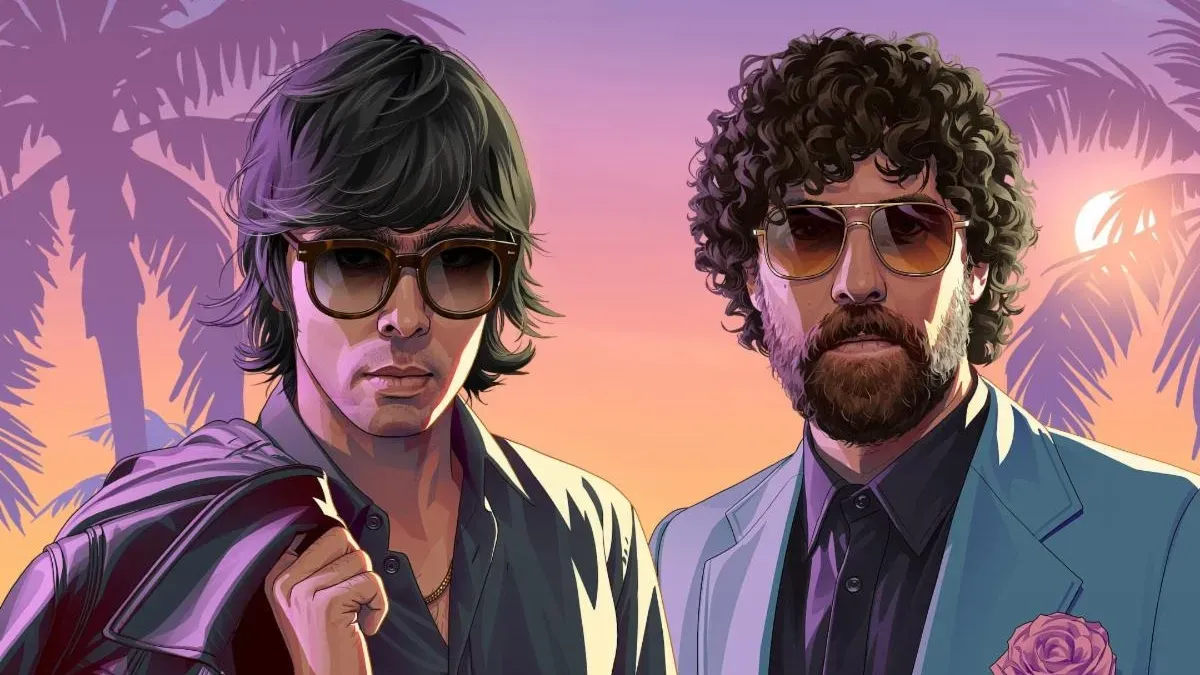
Justice to Score GTA 6, Share New Song with Tame Impala, SZA, King Gizzard
Rockstar taps the French duo for the GTA VI score, and the first taste is a genre-melting collab with Tame Impala, SZA, and King Gizzard & The Lizard Wizard.