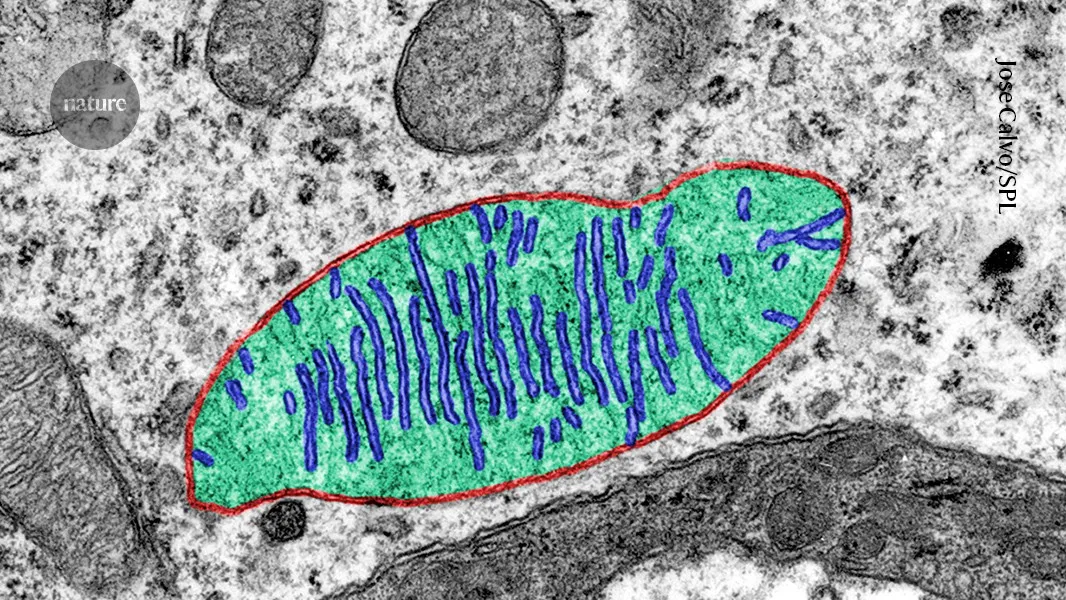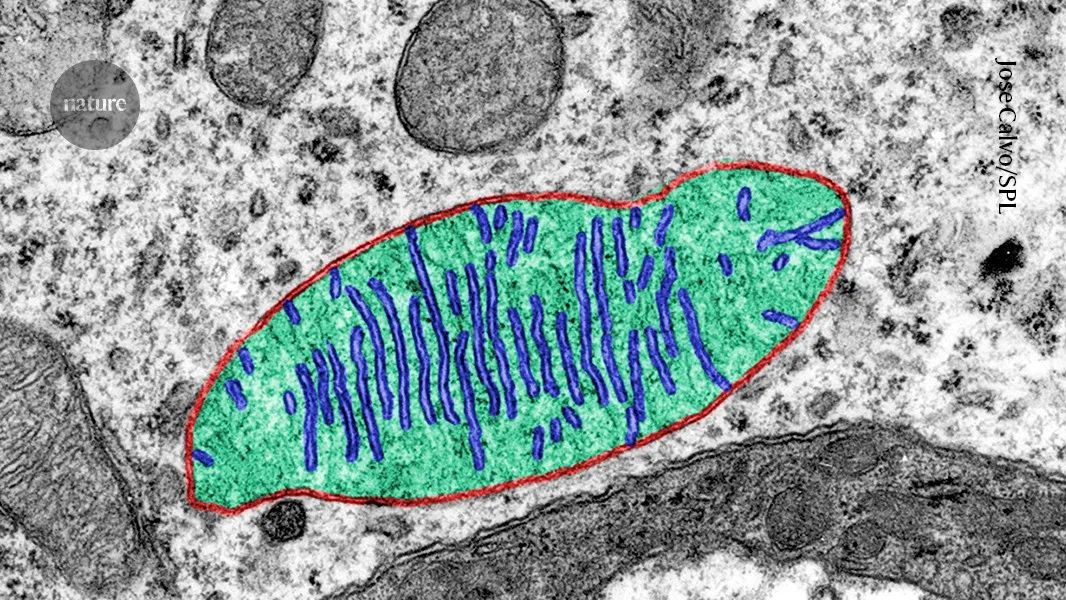
Space Station microgravity cut mitochondrial proteins in human cells, Nature study finds
The first direct sign that microgravity can reduce mitochondrial building blocks, with big implications for long-duration missions.
By Faisal Al-Qahtani·· 3 min

Loading briefings
Pulling the latest in this topic…
Research, space, health, climate, discovery
594 briefings briefings in Science
The first direct sign that microgravity can reduce mitochondrial building blocks, with big implications for long-duration missions.
A Nature study ties microgravity stress to mitochondrial protein loss, sharpening the case for countermeasures before long missions.
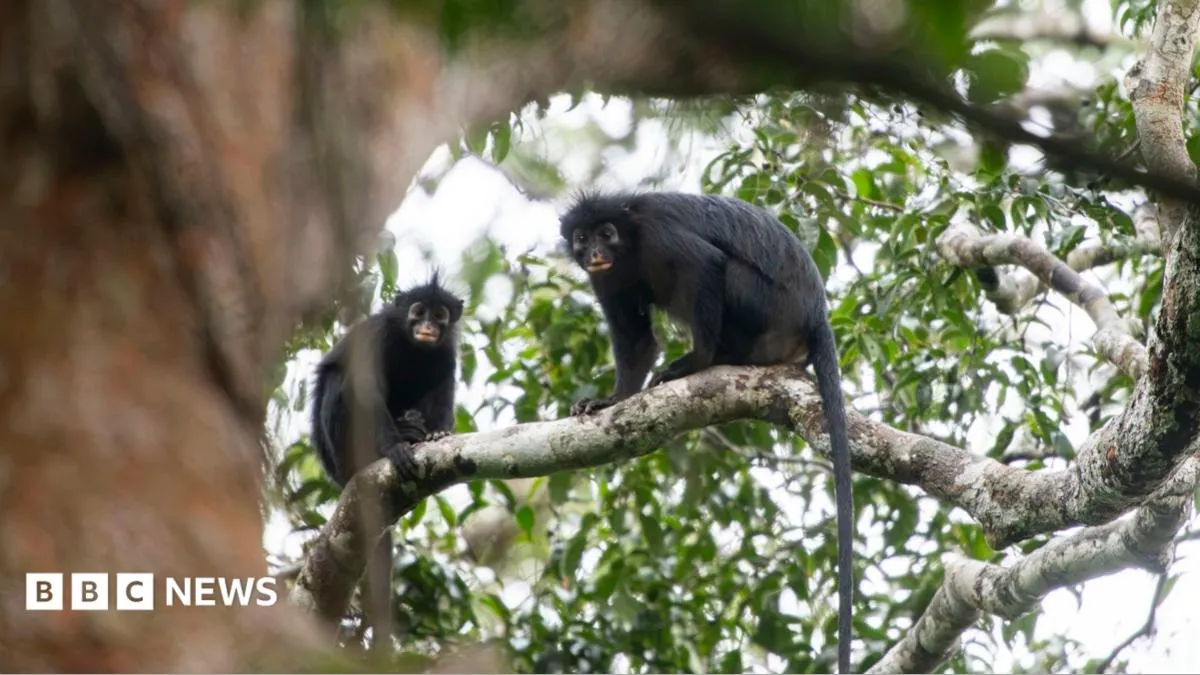
A face few knew existed is now documented, raising new questions about biodiversity, research priorities, and conservation funding.
University of Reading research suggests international cooperation on air quality can materially change monsoon rainfall outcomes.
A new study finds microplastics even 2,000 meters below the ocean surface, expanding where regulators and companies must care.
A research-backed approach uses AI to deploy beneficial microbes, aiming to curb antimicrobial resistance in built environments.
A Windows elevation-of-privilege bug surfaced as Microsoft pushed out a record patch run, forcing another scramble.
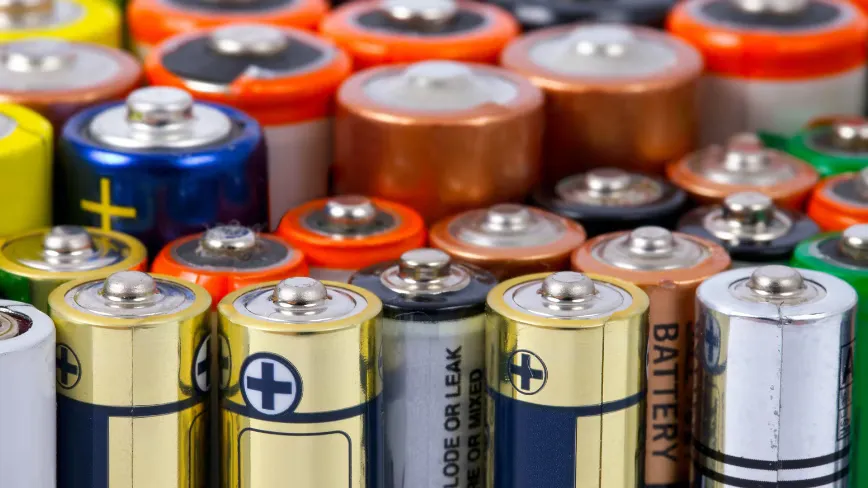
China honors Lu Yaxiang for a sodium metal battery that reaches near-full performance fast, challenging lithium dependency.
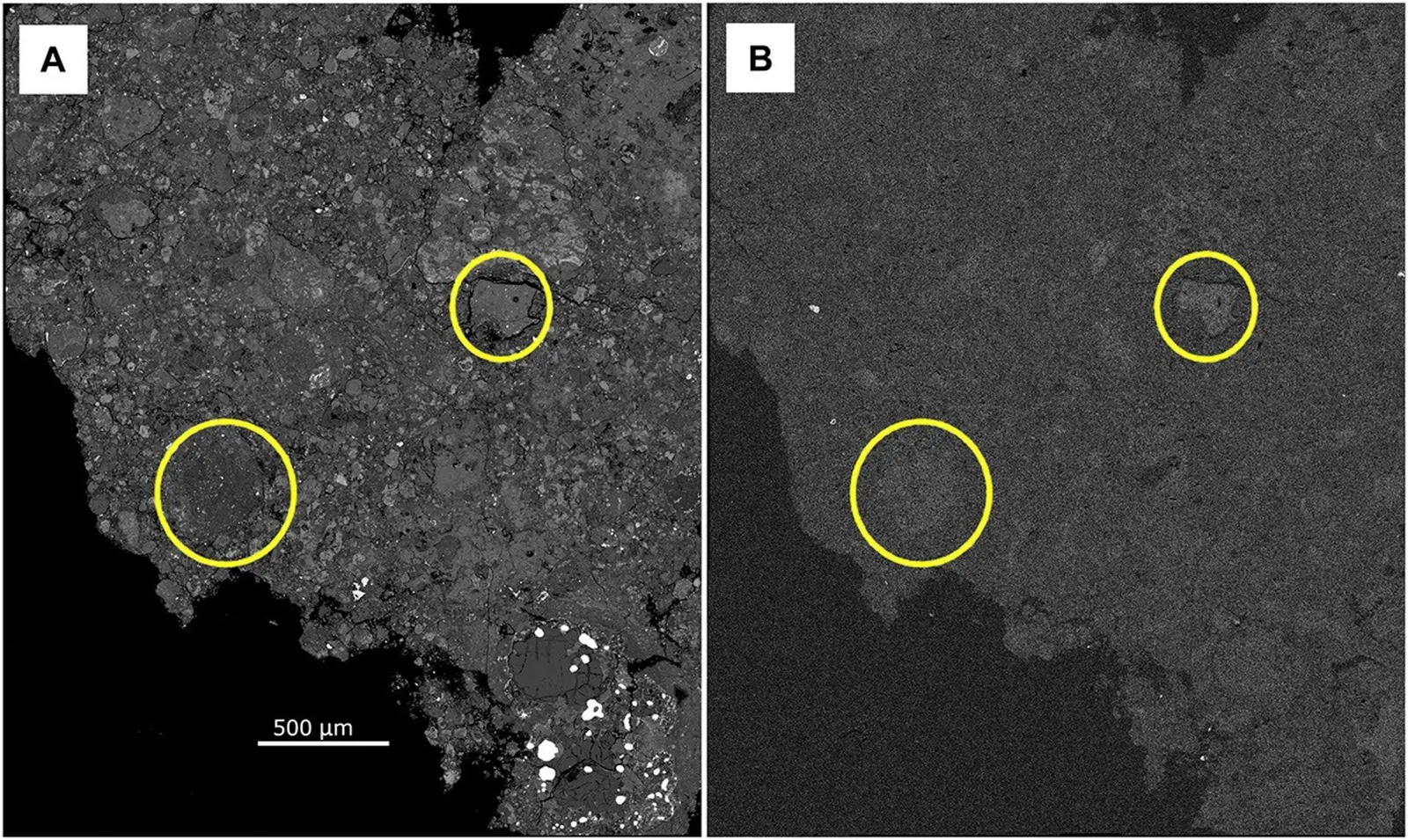
NASA traced sodium-rich fractures and complex amino acids to ancient salty water, reshaping how we read primitive asteroids.
NASA turns 2027 into a dress rehearsal for crewed lunar missions by running two commercial lander rendezvous-and-docking phases with Orion.
A rare taxonomy win, but it also exposes how slowly biodiversity evidence reaches conservation and policy decisions.
A team shows how to make oxide twistronic materials bigger and more tunable, unlocking more practical future electronics.