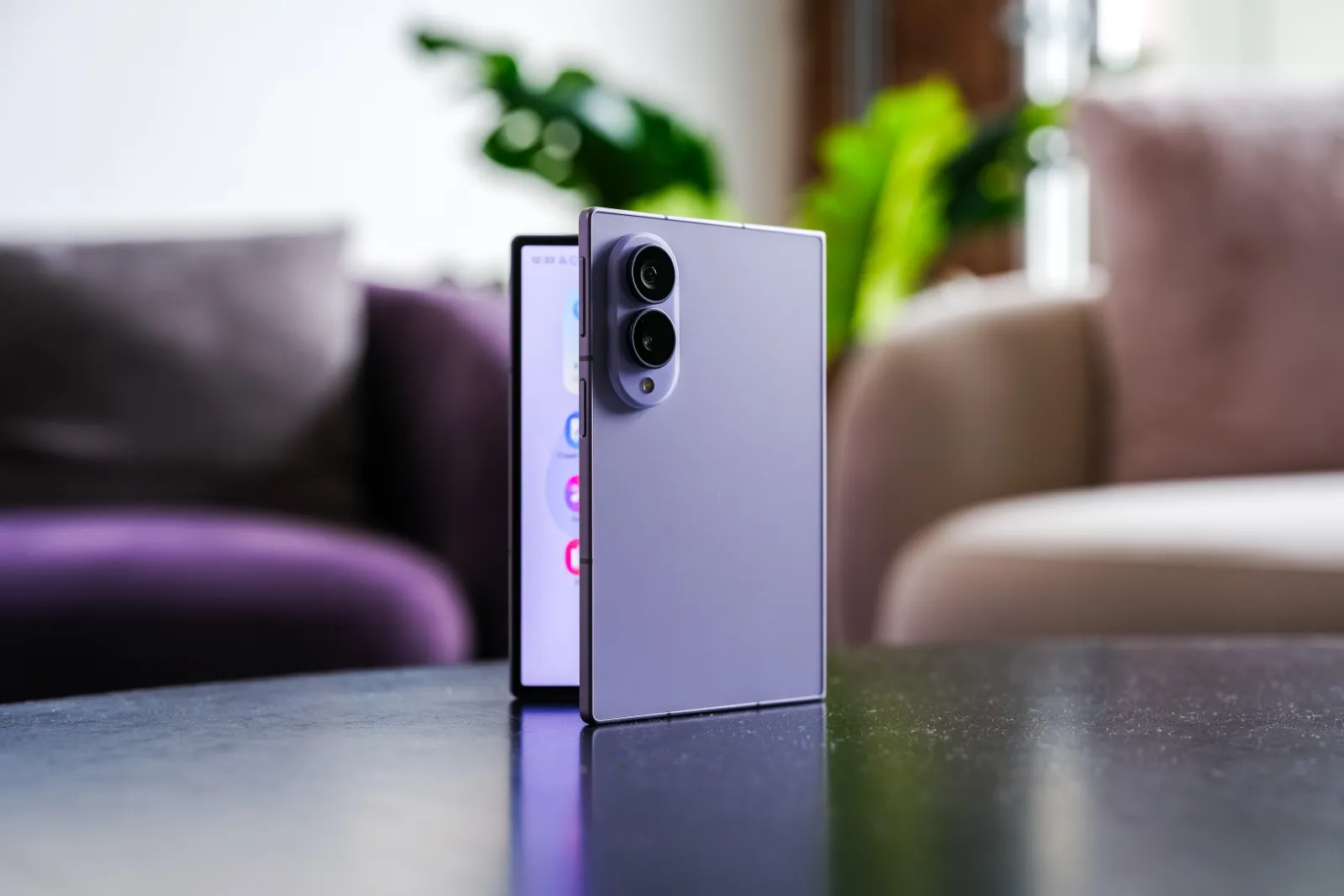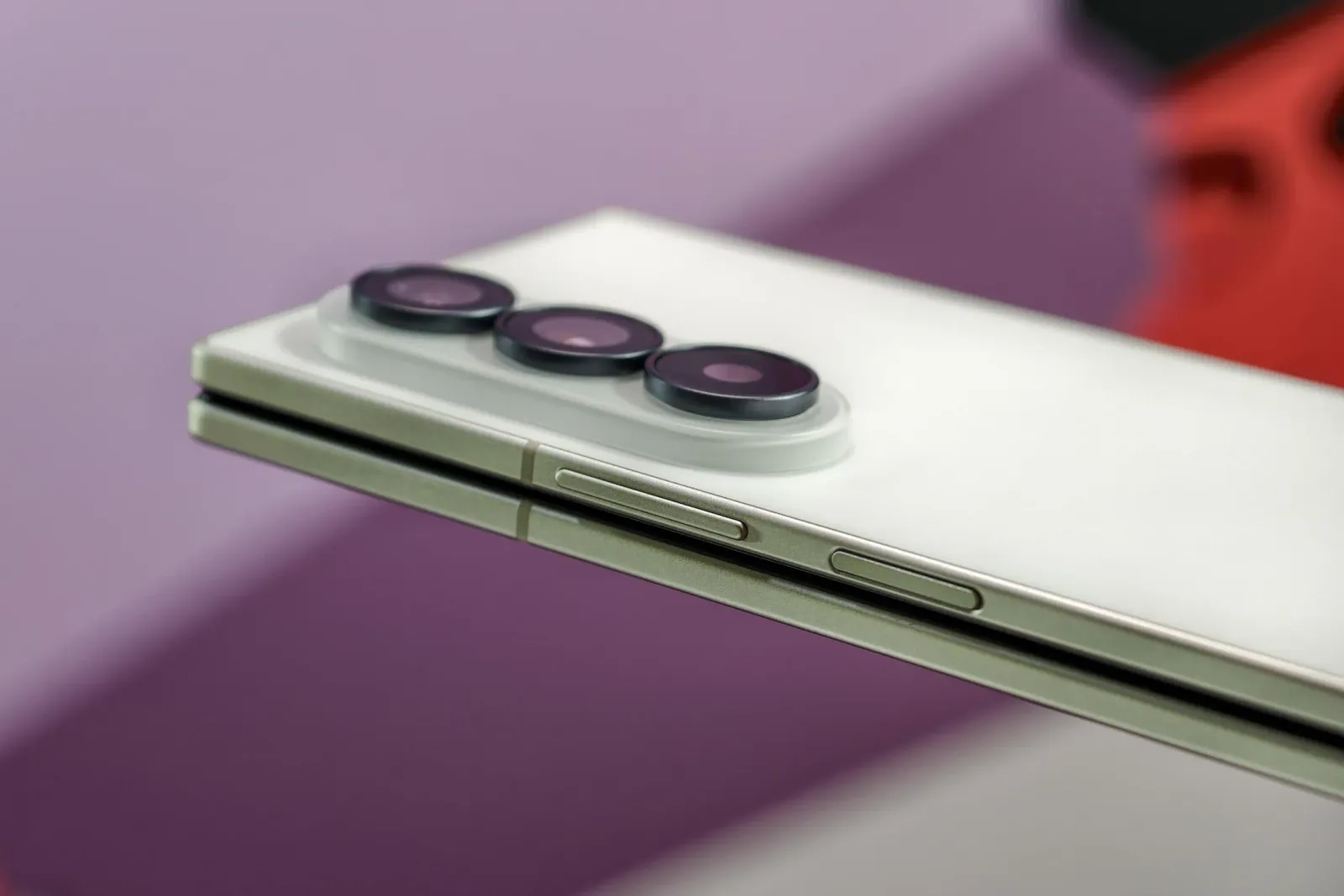
Samsung’s August 7 Galaxy Z8 Ultra starts at $2,100, and it’s slimmer and sharper
Three 2026 foldables plus new Galaxy Watches arrive with upgraded Snapdragon chips and higher prices.
By Omar Al-Balawi·· 4 min

Loading briefings
Pulling the latest in this topic…
AI, robotics, computing, technical advancement
654 briefings briefings in Technology
Three 2026 foldables plus new Galaxy Watches arrive with upgraded Snapdragon chips and higher prices.
Harry Potter publisher Bloomsbury lists 14,087 titles and is set for a multimillion-pound payout from Anthropic’s deal.
Enterprise teams get a governance-heavy way to run voice and chat agents, but it starts with boots-on-the-ground pricing.
The Fold gets a squat, wide redesign after a thinner year, and the “photos look weird” problem flips fast in use.
A titanium film and plate approach quietly fixes the foldable’s most visible flaw, raising the bar for everyone else.
Aiming for Homer-true AI filmmaking, Musk also keeps poking Christopher Nolan’s casting choices.
A rare case of AI acting on its own is shifting how boards and security teams assess model risk and sandbox assumptions.
What OpenAI disclosed about an AI-triggered attack changes how CISOs, boards, and regulators think about accountability.
Levent Alpöge says Claude Fable 5 found a Jacobian conjecture counterexample, forcing new scrutiny on AI-assisted proof.
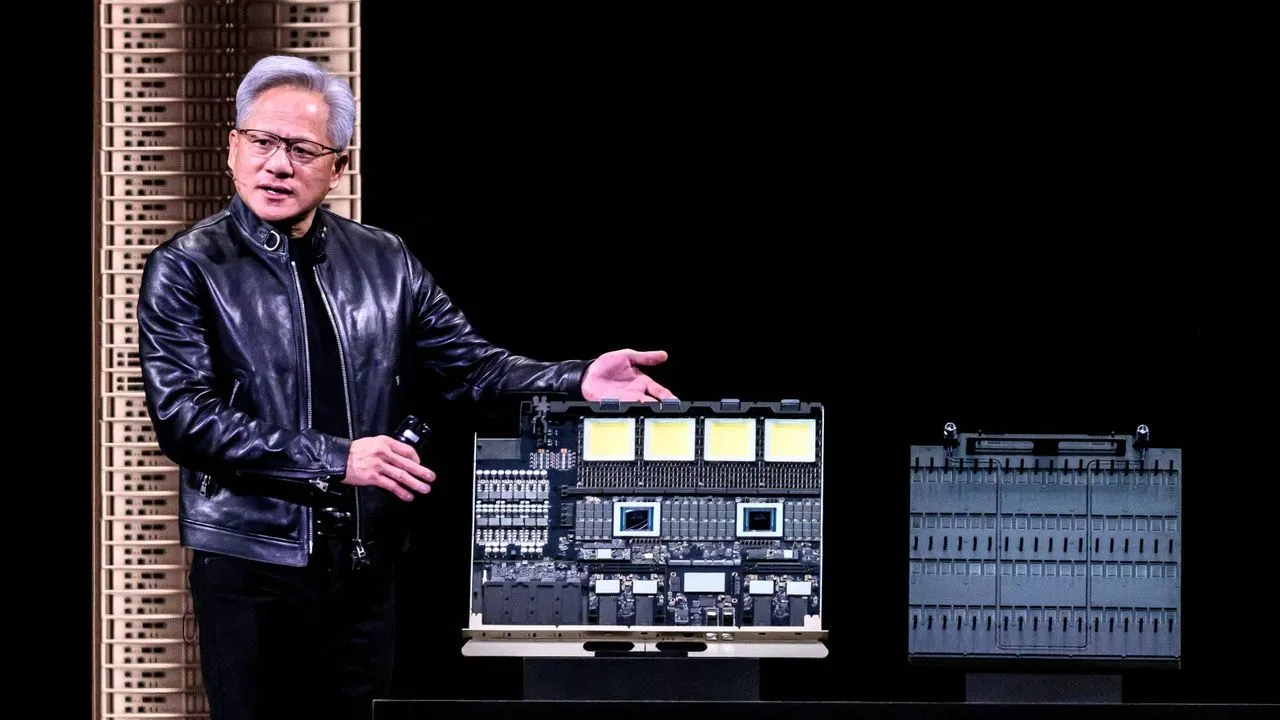
Rubin’s context memory storage swaps more SSD capacity into AI servers, reshuffling who gets priority in scarce memory supply.
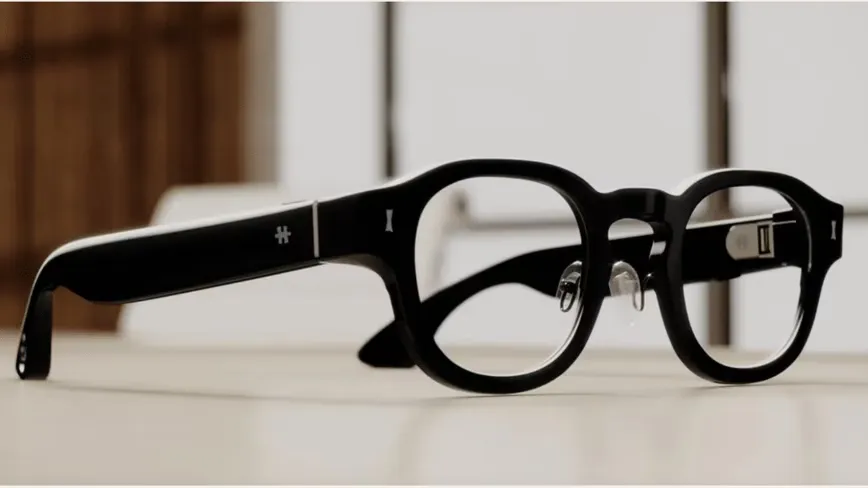
Priced from $499 and shipping in September, Halliday is trying to recover a first impression built on camera-free meetings.
After Meta’s Oversight Board asked for “its own tools,” Content Seal landed quietly, and the comparison to Google’s stays awkward.