

1001 raises $30M Series A to build sovereign AI for GCC critical infrastructure
Lux Capital leads as PIF-owned Sanabil and strategic angels back systems meant to be built, owned, and governed locally.
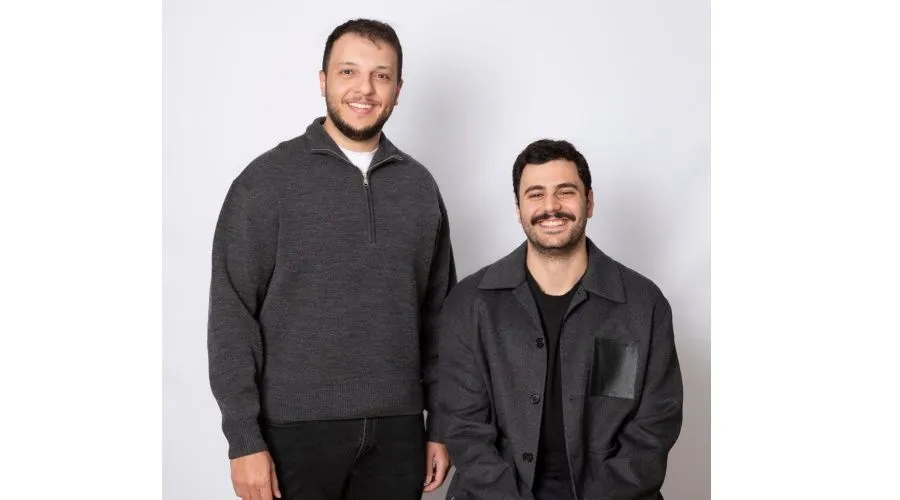
1001, a GCC- and London-based company building sovereign AI for critical infrastructure, announced a $30 million Series A led by Lux Capital. The round includes participation from PIF-owned Sanabil Investments, 9Yards, and Hanabi, plus increased commitments from General Catalyst, CIV, and Stanford AI researcher Chris Ré.
On 30 June, 2026, 1001 announced a $30 million Series A to build sovereign AI for critical infrastructure, led by Lux Capital and joined by PIF-owned Sanabil Investments, 9Yards, and Hanabi. Existing backers General Catalyst, CIV, and Stanford AI researcher Chris Ré also increased their commitments, signaling that this is not a small “move fast” raise. It is capital backing a bet: in the GCC, the biggest infrastructure decisions may soon depend on AI systems that are built, owned, and governed locally.
That local control part is doing a lot of work. 1001’s founder and CEO, Bilal Abu-Ghazaleh, frames the problem as more than wanting “pilots” or prototypes. Operators overseeing critical assets need “sovereign systems” that deliver measurable results and help make thousands of real-time decisions they can trust. According to the company, its approach sits above the systems an operator already runs, modeling the live operation itself by tracking assets, processes, dependencies, and constraints. The promise is practical: identify what is about to go wrong and recommend or execute the best action earlier and faster than was possible before.
Here is why this funding moment matters beyond 1001’s cap table. The Middle East has been a serious technology buyer for years. The shift being underwritten by this round is that the region is trying to become an AI operator, not just an AI consumer. 1001 explicitly argues that sovereignty over the next decade depends on countries building, operating, and governing their own AI in the sectors that matter most, not simply purchasing systems built elsewhere. In board terms, that is a mandate for capability, not just adoption.
The company is targeting high-value operational problems where better data and intelligence can improve decisions across physical critical infrastructure, including aviation, ports and logistics, energy, industrials, and manufacturing. That scope is important because it hints at a path to revenue that is less about “one model” and more about embedding into the operational stack. If you have ever watched a complex operator struggle with fragmented decision systems, 1001’s thesis will feel familiar: thousands of high-stakes decisions happen under pressure, and there is no unified intelligent layer that can do it consistently and at scale. 1001 says it builds systems that are locally owned and governed so clients keep control of infrastructure they cannot afford to have switched off.
On the market side, the round lands in a climate where regulators and governments have increasing sensitivity around data residency, control, and risk. The source doesn’t name a specific regulatory rule, but it does offer a clear directional signal: “sovereign AI” is being treated as a category with operational and governance requirements. That matters for decision-makers because the biggest AI procurement risks are rarely just model accuracy. They are auditability, continuity, and the ability to manage and govern the system after deployment, especially in sectors like aviation and energy where downtime is expensive and outages are existential.
The capital also comes with credibility signals. Lux Capital leads the round, while Deena Shakir, Partner at Lux Capital, says the firm is backing founders building frontier AI for critical infrastructure that can be built, owned, and governed locally instead of imported from abroad. Sanabil Investments adds that GCC economies are investing at unprecedented scale in data, compute, and infrastructure, and the focus now is building local capability to operate these assets with trusted AI. For executives, this is a subtle but real point: the “who” matters. When investors from both the region and global networks align around sovereignty and governable deployment, it becomes harder to treat these systems as experimental.
Practically, 1001 says the new funding will scale its team, especially engineering, and build out its commercial and go-to-market presence across key GCC markets. The company also says it draws technical talent from leading global institutions including Yale, Stanford, and Carnegie Mellon. And it has an earlier investor trail, with prominent angel investors including Amjad Masad (Replit), Amira Sajwani (DAMAC), Khalid Bin Bader Al Saud (RAED Ventures), and Hisham Al-Falih (Lean Technologies). Even without more product metrics in this announcement, the combination of a large Series A and a dense network suggests the company expects to move from “model the operation” to “sell the operation,” which is a different execution challenge.
For peers in similar roles, the second-order implication is that AI procurement in critical infrastructure may start to look more like sovereignty and governance procurement, not just software procurement. If clients want systems they can keep running and govern locally, vendors that can demonstrate operational control, continuity, and integrated decision support could win long-term standing. 1001’s bet is that measurable operational outcomes, combined with local ownership, will be the differentiator. In other words: this is not only about building AI. It is about building the capability to run the systems governments and operators cannot afford to have fail.
This story's Key Insights and Take-aways are locked.
Create a free account to unlock Executive Actions for one credit.
Register to UnlockAlways free for Executives Club members. Join the Club
More in Business
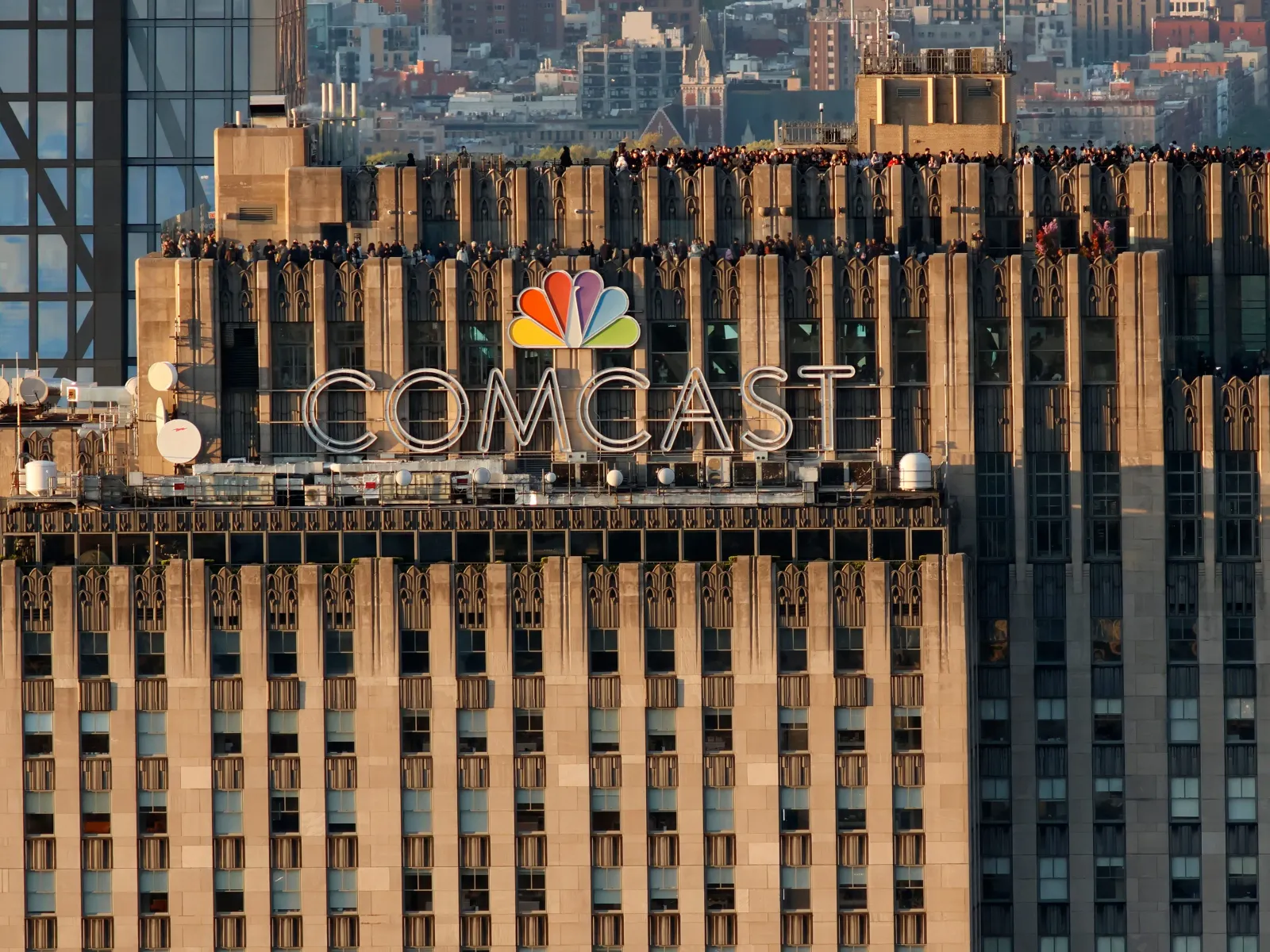
Comcast shares jump 25% as it plans to split NBCUniversal and Sky
The tax-free spin-off could reshape focus, funding, and competition across media and tech for years.

Bungie cuts most Destiny 2 staff as Sony says Marathon still matters
Herman Hulst confirms layoffs affecting most Destiny and some Marathon teams after Bungie admits Destiny fell short.

SK Hynix jumps 11% after seeking up to $29.4B in Nasdaq listing
The chip giant filed for a Nasdaq listing plan that could raise $29.4 billion, instantly reshaping investor expectations.